++++
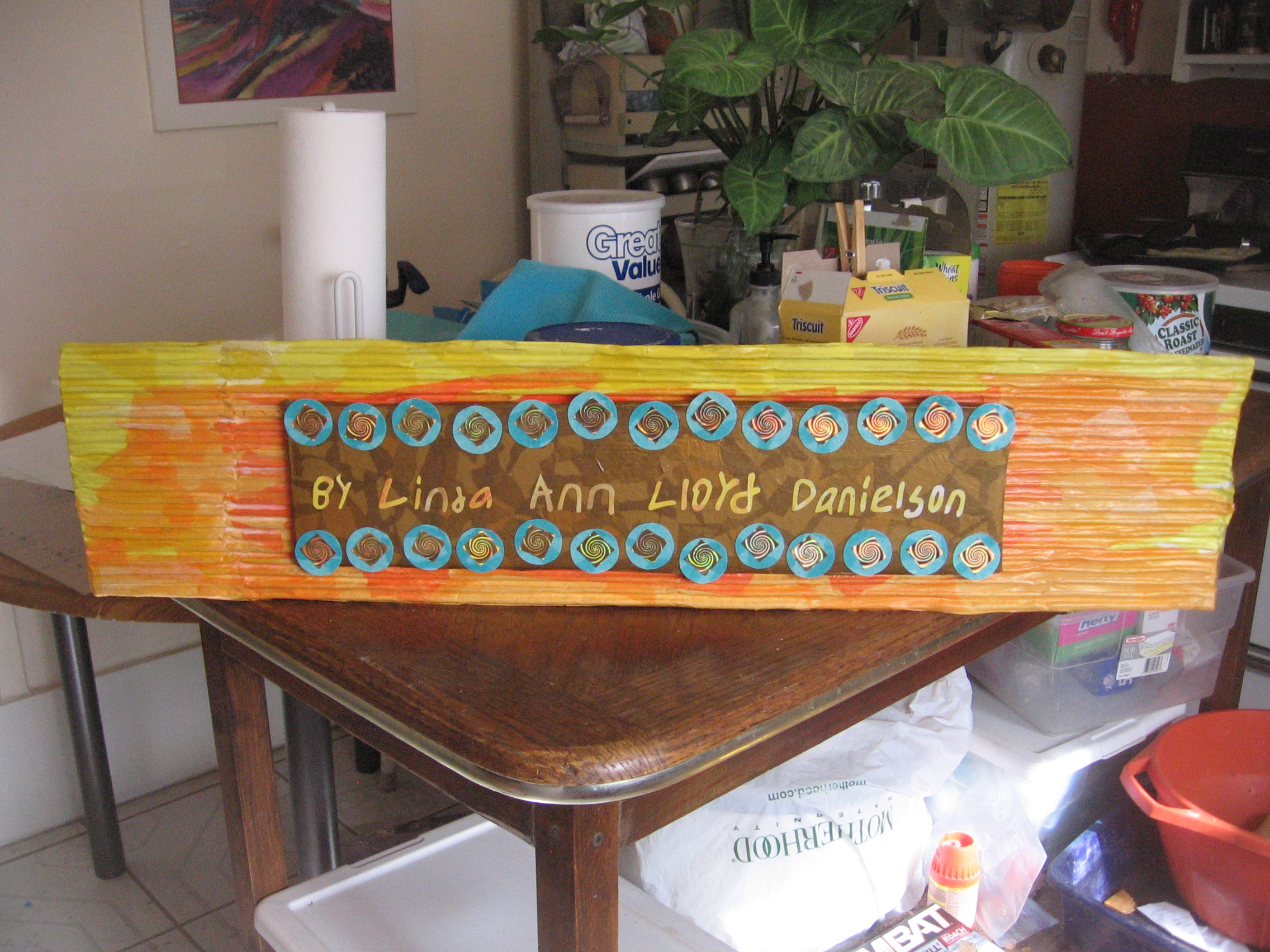
What’s IN a book cover? This is different, I am finding out, from what’s ON a book cover. Creating the artwork for the cover of the book we hope to have published soon, Story Without Words, sends me traveling in so many directions. I am coming closer to being able to see my thoughts and ideas in physical form as my work on the cover art progresses. Yet at no time has this process gotten any easier for me.
I am reminded of changes in the operation of the empathy-related systems in the body-brain that early relationship causes during critical stages of development. I include at the end of this post some very important information related to early trauma-caused changes. Because I was built in, by and for a trauma environment I have no other perspective from which to consider any of my experiences – and that fact relates also to the making of this book’s cover.
I find myself wondering, “Did Georgia O’Keefe FEEL flowers on the insides of her being as she painted them?” Certainly I see nothing in her paintings that would suggest to me her portrayal of them came from a cerebrally-detached brain operation unrelated to feeling and the experience of feeling — FLOWERS. Did she empathize with flowers?
++
When it comes not only to writing a book about child abuse — to putting those accounts into words — the experience is probably rarely if ever pleasant. In this particular book I write not only about abuse Mother did to me but more importantly (in this book) I also write about abuse done to my child mother. I think there are ways to write “stories” in words from both inside the story and from outside the story — and from places that are degrees along this continuum.
Yet when it comes to making an art image, as simplistic and childlike as this art image is, I am having a very hard time delineating the line between my being outside this work as its creator and being inside the work as I know exactly what this story is about — and what it FELT like as a child and what it feels like to me now.
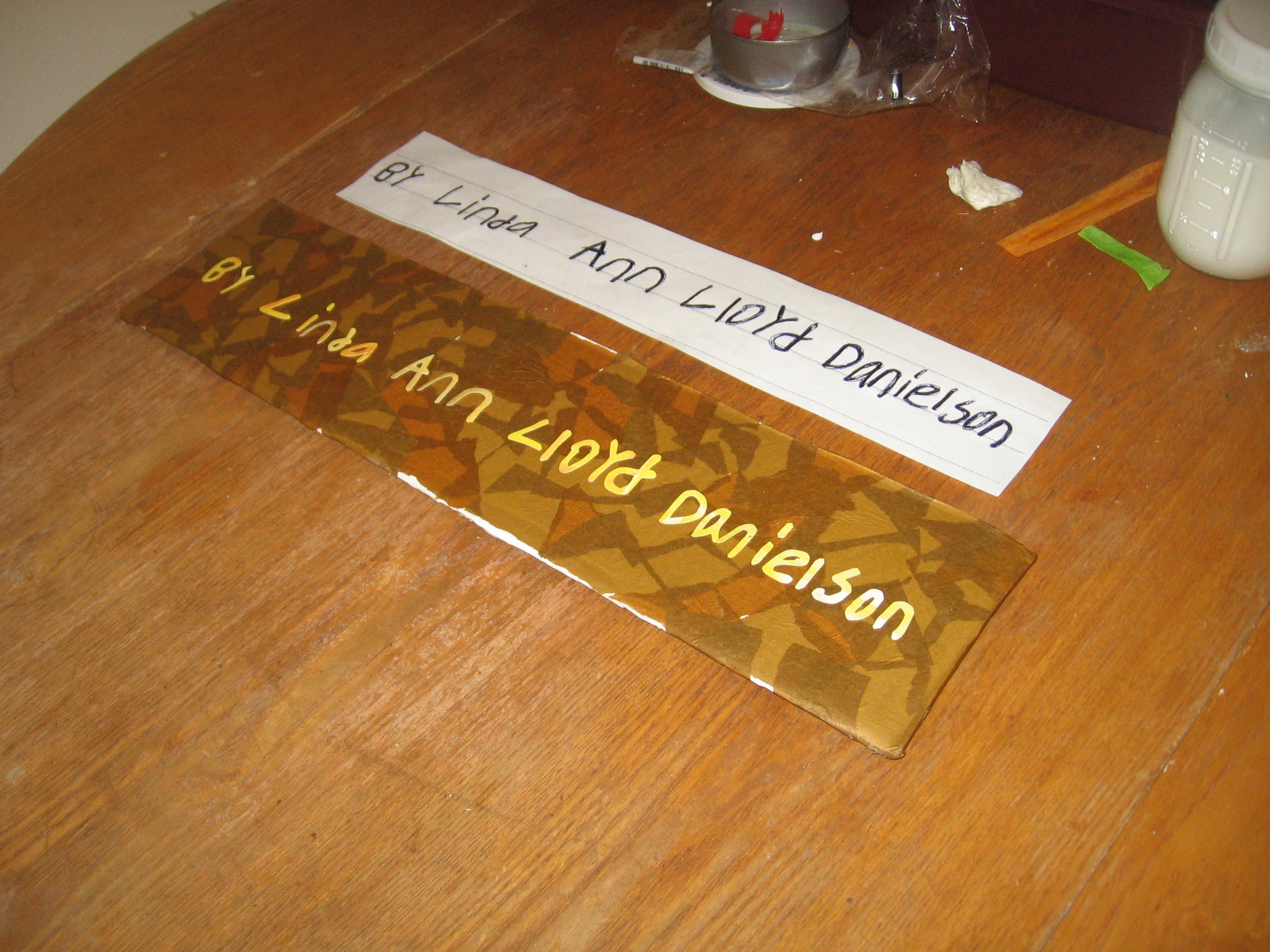
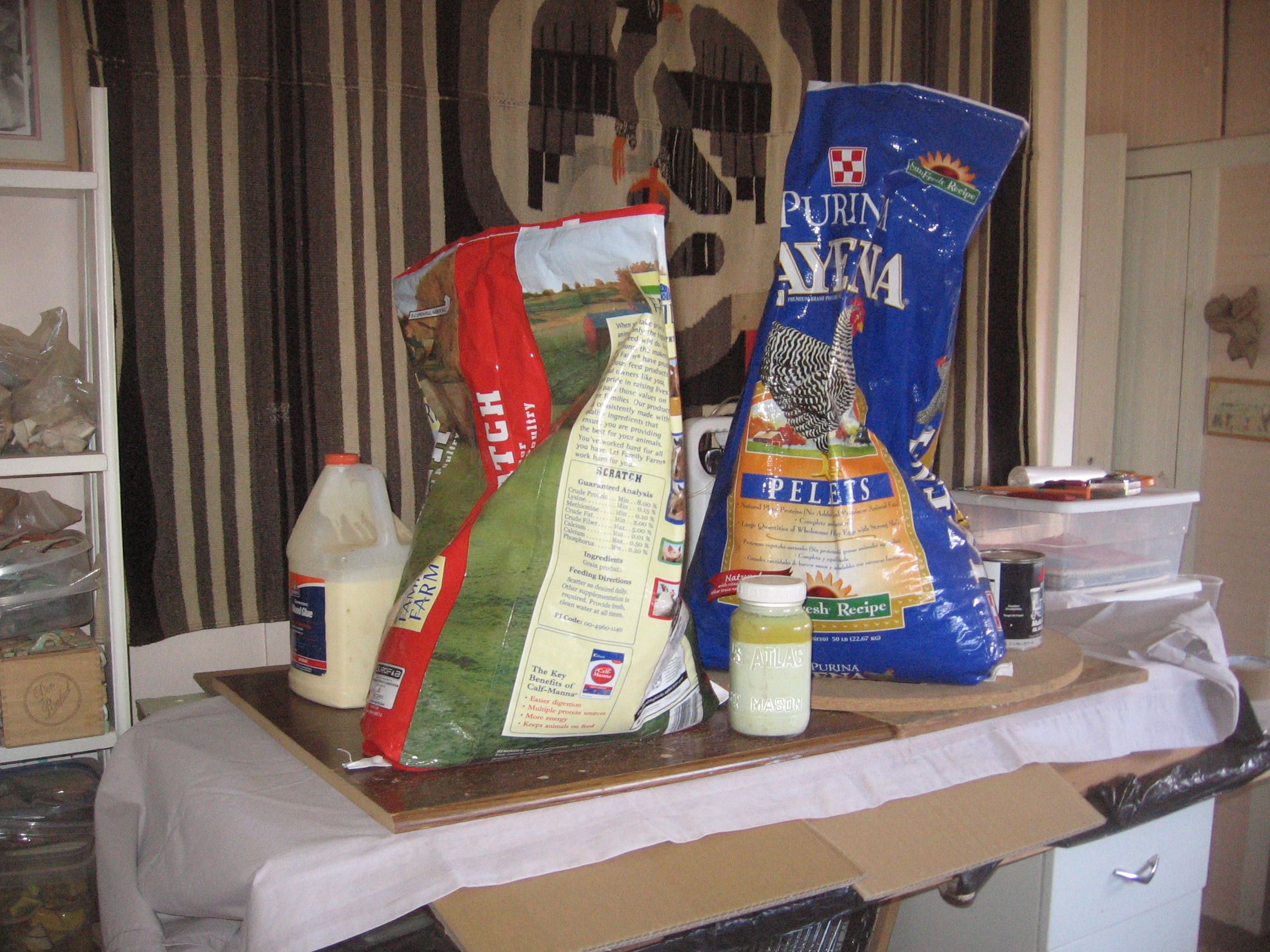
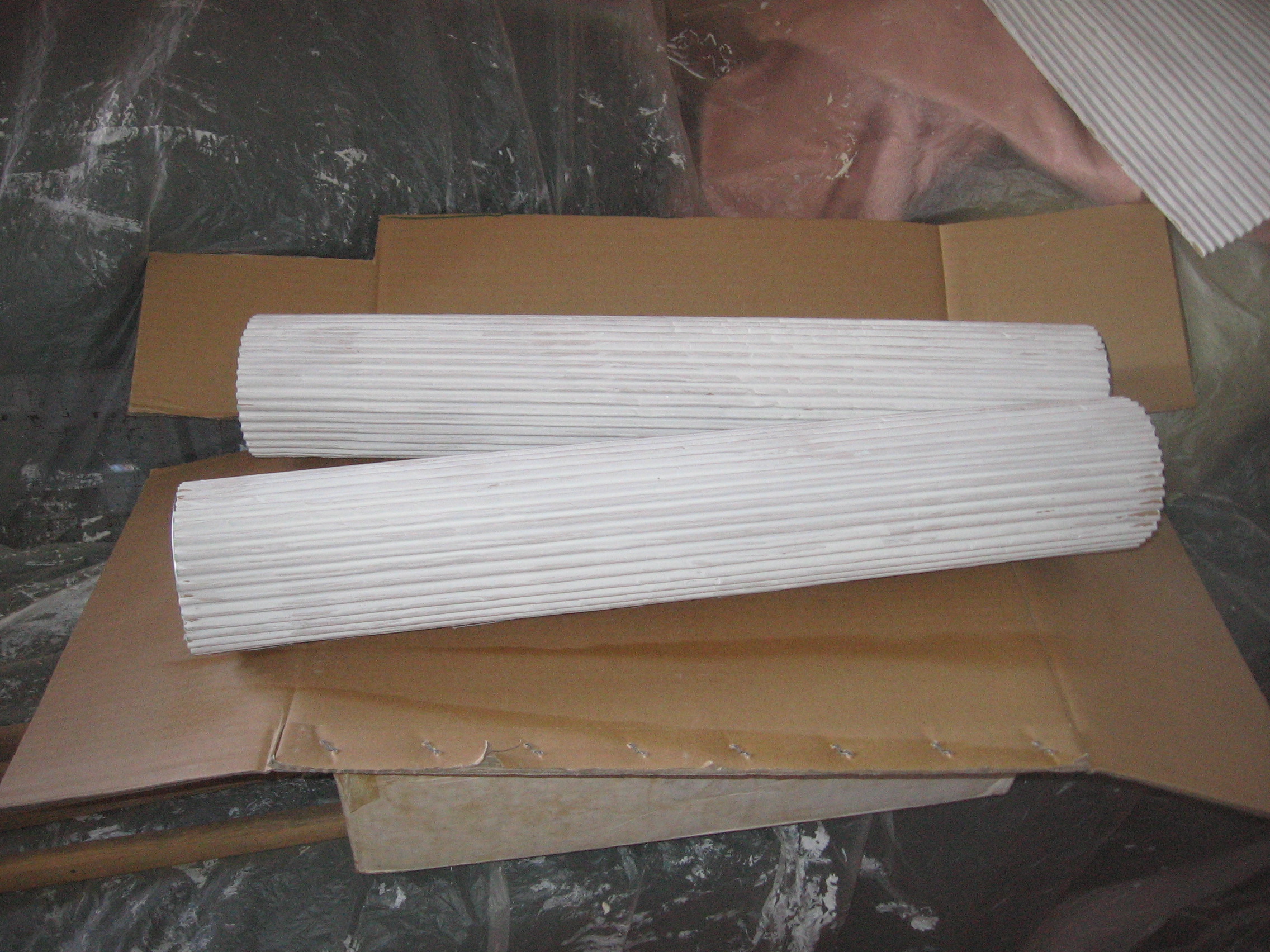
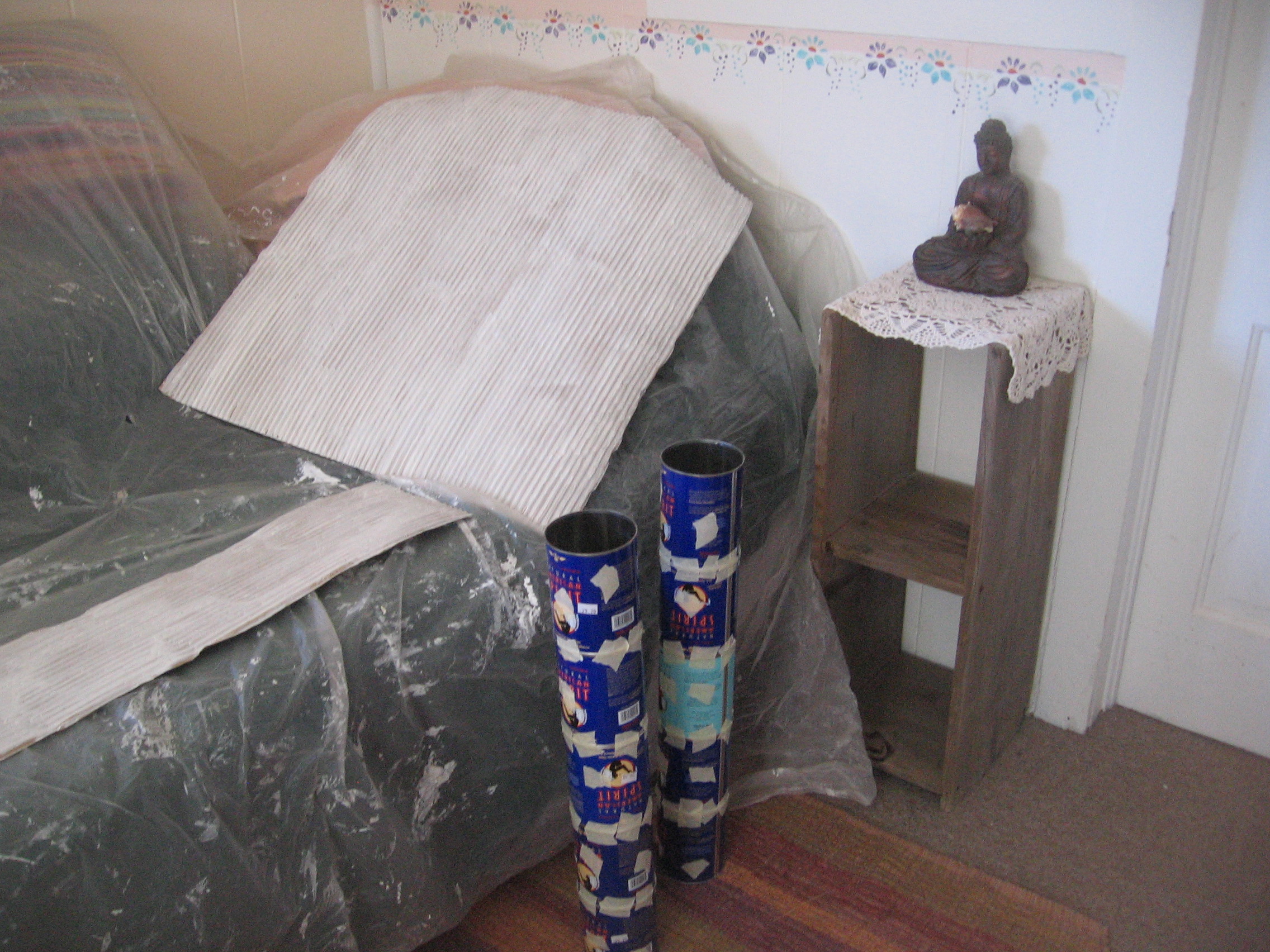
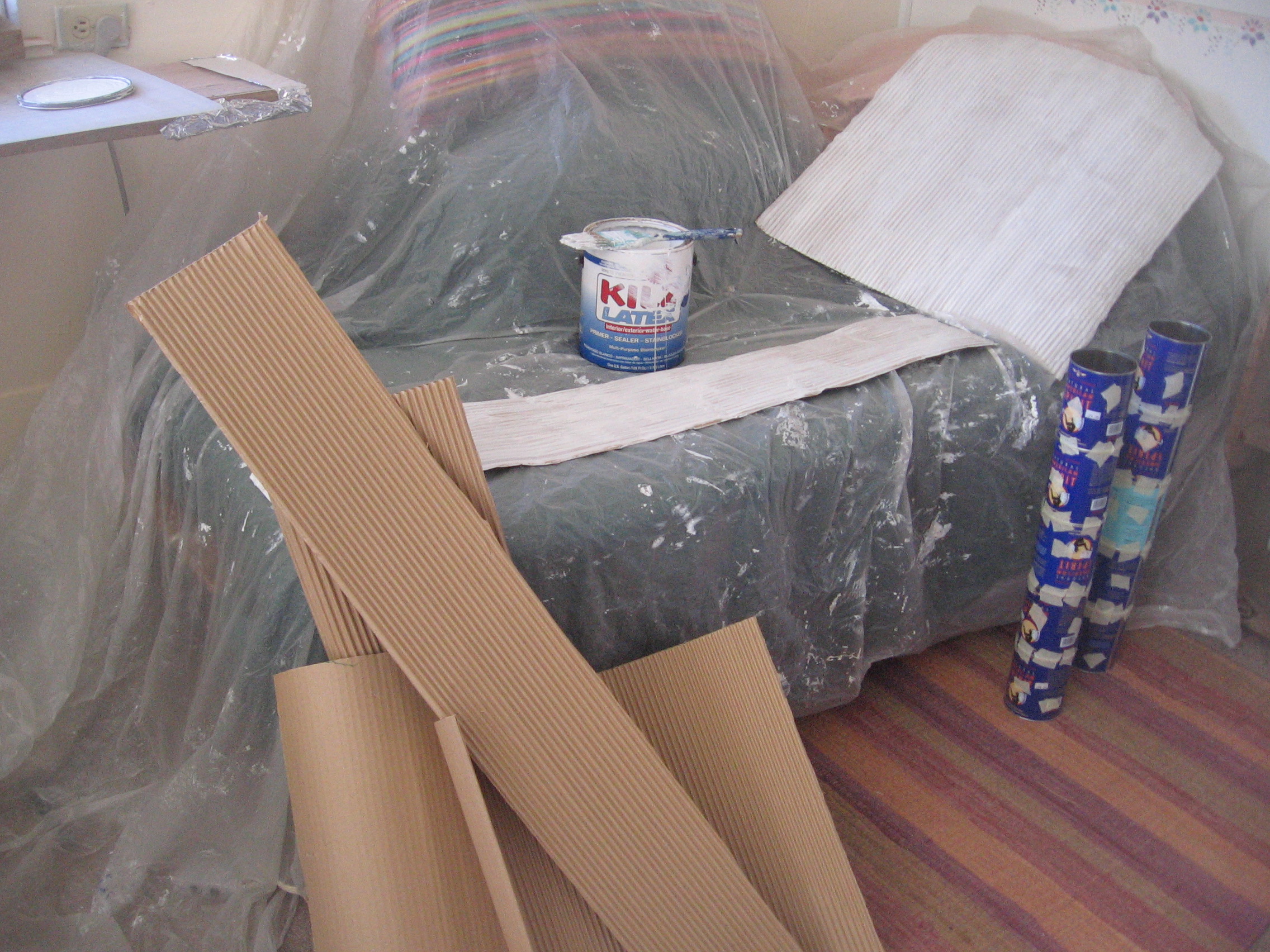
There is no feeling in these simple materials I am using to make this cover image with: wire and masking tape, plastic bags and paper, cardboard, glue and Mod Podge. So what is it that I am feeling as I work with these materials to create this representational image about child abuse?
As I move along in this process I must ask questions, answer them, make decisions and carry them out as I go along one step at a time. I have the main pieces that go into the image just about completed. Now I am working to create the CONTEXT part of the image — the WHERE for these figures to be placed.
I find what I need to do to make this image is NOT what I WANT to do! Yet there is nothing about child abuse that I want! Of course not! So this is a very unique and interesting process I am involved in — choosing to make into visible imagery something I HATE!
++
There is something very much in this image concerned with “Come Hither! Go Away!” I realize, at least in my perspective, that I am doing something very daring. I am creating an image for the cover of a book I hope to sell (for many reasons) at the same time I am creating an image that is despicable, heart-rending, repulsive.
There is no denying what this book is about once a person lays their eyes on its cover. The cover itself really will DARE people to read it. But isn’t that a great part of the problem with infant and child abuse in the first place? That people have a great deal of trouble even imagining what it is, what it does to tiny people, what it feels like — WHAT IT LOOKS LIKE?
Although I cannot compare my skills in any way to Pablo Picasso, I do wonder about comparisons of images about horror:
++++
I think of this:
Guernica is a painting by Pablo Picasso. It was created in response to the bombing of Guernica, a Basque Country village in northern Spain by German and Italian warplanes at the behest of the Spanish Nationalist forces, on 26 April 1937, during the Spanish Civil War. The Spanish Republican government commissioned Picasso to create a large mural for the Spanish display at the Exposition Internationale des Arts et Techniques dans la Vie Moderne at the 1937 World’s Fair in Paris.
Guernica shows the tragedies of war and the suffering it inflicts upon individuals, particularly innocent civilians. This work has gained a monumental status, becoming a perpetual reminder of the tragedies of war, an anti-war symbol, and an embodiment of peace. Upon completion Guernica was displayed around the world in a brief tour, becoming famous and widely acclaimed. This tour helped bring the Spanish Civil War to the world’s attention.
++
I don’t have any answers for myself right now. I do know that my empathy with myself is all mixed up with empathy for others who have suffered early abuse, those little ones suffering it now — all mixed up with how book readers might react, what they will see and feel and think about this cover — and about the book, Story Without Words itself.
All I know to do is to get back to work on this image. As is most often the case I want to see this artwork completed so I can see what it looks like — and then — so I can walk away from it as I leave it to its own form that will by that time be something that is completely separate from me. In the meantime, I can’t help but FEEL my way through its making.
++++
BACKGROUND:
*Preschooler empathy
About this article:
“Individual Differences in Empathy Among Preschoolers: Relation to Attachment History”
By Roberta Kestenbaum, Ellen A. Farber, L. Alan Sroufe
New Directions for Child Development
Vol 44, 1989, 51-64
And this post –
++++
Please click here to read or to Leave a Comment »
++++







 Stop the Storm
You must be logged in to post a comment.