The most important work we can do, individually and globally, is the healing and prevention of traumas so that we don't pass them down to future generations. This blog is a working tool to contribute to this good work.
Forty one years ago when I was an oblivious 19-year-old I traveled off on an adventure with a stranger named Gar in a U-haul van from San Diego to the backwoods little town of Brandywine, West Virginia. For all that this adventure contained it is only what happened at the end of it that I relate to this post. At the very end we had to find the U-haul lot in Washington, D.C. to return the van so we could catch our flight back to San Diego.
No helpful GPS assistance back then! We had a map and we were lost. Repeatedly we stopped for directions from strangers who were all seemingly very helpful. Yet for every set of instructions we were given, as we followed them exactly with every turn, we ended up more lost than we were when we started.
Did all these seemingly helpless strangers misguide us intentionally? I will never know, but this experience comes to mind today in combination with something I wish to say about my grandson. I will call him Pete.
My daughter and her husband live 1700 miles away from me, so the closest gift of watching Pete grow and change (he is 18 months old now) comes from the wonderful little videos my daughter sends me. I have one of them open in a window that pops up and starts the video every time I open my internet browser so I can hear and watch that tiny segment of my grandson’s life as many times as I want to.
The video takes place as Pete sits at the side of a parking lot in a country park my daughter and family visited recently in Canada. Pete’s mom is filming him gently gathering and scattering little handfuls of tiny pebbles under his mommy’s watchful guidance.
After a few tosses of the little stones Pete takes a few in his hand and lifts them to his ear to listen to them. My daughter says he does this a lot as he learns about himself in the world around him. Pete has noticed the high pitched skittering clicking sound the pebbles make as he scatters them. He is studying both the actions of himself and the pebbles — AND the sound they are making.
Only Pete knows what he heard in the pebbles held to his ear, but as he moves on to dropping those pebbles he is singing softly to himself notes and tones that are in harmony with the sound the pebbles are making.
++
Knowing what I know about the bigger picture of this little boy’s life I know that this tiny segment of his history belongs in a long, unbroken continuous line of being loved. Pete has never been distressed by those who care for him since the time of his birth. There is no adult trauma drama in his life that would deplete him, would rob him of his opportunities to explore himself in a safe and secure world.
Nobody is sending his physiological development off on a wild goose chase of survival. Nobody is sidetracking his normal process of moving through his most critical earliest stages of development HIS way. Nobody is leaving him unguided. He is not being super-challenged by experiences of traumatic stress that do not belong to him and that would overwhelm him as he is traveling through these most important developmental stages.
His life is the complete opposite of what mine was. As I watch Pete discovering himself in interaction with musical pebbles, as I listen to him sing along, I know that the lack of impediments thrown into his life is going to let him become strong and clear and real and FOUND in his journey through life.
He will NOT BE LOST. He will not be left with big empty holes inside of him like a chunk of Swiss cheese that he would then be left trying to fill up with meaningless and harmful addictions and pursuits over the course of his lifespan. I also know that Pete will never be left unloved and unguided and unprotected.
Blog post one thousand – a collection of links to information about depression. Research finds that there is a link between depression and child abuse. I survived 18 years of terrible child abuse at the hands of my severely ill Borderline mother, and yet it wasn’t until I was 29 years old that I began to have any clue at all that what had happened to me was ABUSE. I also didn’t know I was depressed as an adult, and I did not know that being a depressed mother of a newborn puts the baby at high risk for lifelong depression.
The interplay between trauma survivorship and depression is complex – but here are a few articles at the tip of the iceberg:
“Doctors are now medicating unhappiness,” said Dr. Ronald Dworkin. “Too many people take drugs when they really need to be making changes in their lives.” For Dworkin, the proof is in the statistics. According to a government study, antidepressants have become the most commonly prescribed drugs in the United States. They’re prescribed more than drugs to treat high blood pressure, high cholesterol, asthma, or headaches. CNN’s Elizabeth Cohen discusses the CDC study on antidepressants
Depression is one of the greatest problems and killers of our time. Here we list the latest depression statistics, reveal surprising facts about underlying depression causes, the failure of standard treatments, and what works for depression in the long-term.
Depressive disorders affect approximately 18.8 million American adults or about 9.5% of the U.S. population age 18 and older in a given year. This includes major depressive disorder, dysthymic disorder, and bipolar disorder. [1]
Everyone, will at some time in their life be affected by depression — their own or someone else’s, according to Australian Government statistics. (Depression statistics in Australia are comparable to those of the US and UK.) [2]
Depression results in more absenteeism than almost any other physical disorder and costs employers more than US$51 billion per year in absenteeism and lost productivity, not including high medical and pharmaceutical bills. [13]
Today, September 19, 2011, marks the writing of my 999th post on this Stop the Storm blog. This count does not include the many hundreds of ‘pages’ included as background information. It is only a count of the actual posts to the home-page. I am wishing I had something happy to write this morning but I am sad to say what is most pressing within me is about sadness itself — and not just any sadness. My concern today is about sad babies.
How do we begin to think that any child who suffers from depression is going to magically somehow in ‘the future’ manage to have a happy life?
Personally I believe sadness in infants and toddlers under the age of two is much, much greater than the 1 in 40 figure stated in that article. How do we discover whether or not a little one is sad? What do we look for? What do we SEE?
What happens to such a little person to create such sadness? I do not believe ‘It’s in their genes.”
I heard tell of such a sad little person yesterday. Everything described to me lets me know this infant DID NOT get what she needed in her earliest infant-caregiver interactions to give her a safe and secure attachment base in the world. No, the child (18 months old) was not directly ‘abused’, but I heard all the signs that this little one was – and is – being neglected.
In a society that so barely recognizes our combined responsibility to STOP direct abuse to children, how can we begin to comprehend the many forms that neglect of the needs of little ones actually takes?
I have posted and reposted many times on this blog an article by Dr. Schore that describes in minute detail what a human being needs to BECOME FULLY HUMAN. The article is too complex and the material is too foreign for anyone to read and understand – so it seems. I suspect my daughter and I will in the future spend a great deal of time and effort to ‘translate’ this article into ‘human speak’. If we don’t comprehend what Dr. Shore is saying in this article we will never truly know what some parents do so rightly – and other parents do so wrongly.
There is nothing more important for our human species than adequate MOTHERING conception to age two. This article describes in detail what adequate MOTHERING is, how it happens, what adequate mothering provides to a human being, and what goes so terribly wrong when adequate mothering is absent. True, many humans receive their MOTHERING from others who are not their MOTHERS, but it is MOTHERING that humans need to build a human body and brain that will allow a human to become FULLY HUMAN — no matter who provides it.
FULLY HUMAN. What does that mean? Happy. Healthy. Present in the world and positively engaged in healthy and happy ways on all levels with self, others and the environment.
Sounds simple? Sounds basic? Take a look at Dr. Schore’s article and begin to understand that what nature has designed for human early development is massively complex! Mothers and earliest caregivers have been able to provide the kind of optimal care Schore describes for eons over the span of our human development.
What happens to change a human being born with full potential for being happy, healthy and joyous for a lifetime into a less-than fully human being? At a minimum, when safe and secure LOVING and ADEQUATE attachment relationships are withheld the survivor of this neglect simply shuffles down to the bottom of the pile of happy life fulfillment and most likely stays there for a lifetime. They become ‘the losers’ in ways that we recognize in our culture – at the same time we do not wish to recognize what happens to deplete these people.
In other words, we as a society are perfectly willing to let little ones suffer. Who cares? They aren’t OUR children!
What would happen if every month everyone in our great nation gave 2% of their income, no matter what the source of that income might be, to someone who needs it? The only stipulation would be that whatever is given must be given within 10 miles of home residence and NOT given to a church or any other organization directly — but given rather to people when we can see the white of their eyes, the light in their eyes, the smile on their faces — to those we can ask their name, tell them ours, shake their hand and wish them blessings.
This sharing gift, given without prejudice or judgment of ANY kind, would be given as cash or as something bought by the giver and given to the receiver (donating to a food bank counts if you see the whites of the eyes of the volunteers who accept the food on behalf of others). There is plenty to go around in our neighborhoods, our towns, our states, our nations and around our planet. We each need to PERSONALLY care enough to share.
2% will only ‘hurt’ if we are out of practice in giving to other human beings around us — but practice makes perfect!
The interaction between the awake, conscious self and the sleeping self informed through dreams is fascinating. For survivors of severe trauma sleeping and dreaming is often complicated — and changed from what non-traumatized people experience, just as our lives are changed.
I am in process of book writing. I am still working my way through the age-10 severe trauma memory. I could not write about those experiences at all unless I wrote longhand away from home and my computer in a public place. A spent the week before this last one accomplishing that difficult task.
Yet I am finding that so difficult is this memory that I am having nearly as hard a time transferring what I wrote longhand into my computer as I did writing it in the first place! Every day I have transferred a section of that piece of writing — just a short section. I can do no more. And yet my ever-curious mind wants to know more about what is so different about this memory that makes it so hard to face (and write about).
I did not sleep well last night. My entire night of troubled sleep was nothing but a series of POP-UP windows from my mind that kept appearing to wake me up — or at least to make sure I never really got to sleep at all. They were no different than the obnoxious pop-ups that appear on my computer screen. Even though I have various versions of protection in place on my computer, they still find their way into my range of vision — demanding my attention.
++
I just hand wrote a section of book writing that I will synopsize here. This is about the very important protection that dissociation provides for survivors of severe trauma — especially if the trauma began at or near birth so that those dissociative patterns built the brain as they build themselves into the brain (and nervous system).
It strikes me now that my mother’s Borderline Personality Disorder (BPD) genetic potential may well have been triggered into action by her earliest traumas BEFORE she was able to find another way to survive her trauma.
That would mean that she never got the chance that others without BPD have to find other ways to get along in their life with the trauma held in check and at bay in some other way.
Yes, she suffered from dissociation — but hers operated differently than mine does. For all of us who have experienced severe traumas and now experience dissociation, there is a very wise reason why this happens to us. In my efforts to write about the specific chain of traumatic events that happened to me in the spring of 1962 when I was 10, I am coming dangerously close to my own inner protective walls that surround and protect me from much (most) of the details of my early traumas.
These walls, these massive retaining walls within us constrain and contain traumas that are too much for us to know about. I am concluding that if the society we live within was able, ready and willing to truly listen to survivors tell about the trauma that happened to us, we would NOT be forced to try to deal with these traumas alone. The ones we do not remember, the traumas that we dissociate ourselves from, need to be told to the members of our species en masse so that the lessons contained in these traumas can educate our entire species.
Those of us who carry trauma sealed away behind protective retaining walls are doing our job of continuing to live the best we can. These dissociated traumas have not gone anywhere. They can be triggered into our awareness in all sorts of ways, and certainly trying to write a coherent, cohesive true story about our traumatic past will trigger MUCH discomfort.
That discomfort appeared in those repeating – nay, never ending — series of pop-up trauma alert windows that disturbed my sleep last night.
The BPD disease that took over my mother changed the nature of her retaining walls — and hence of the patterns of dissociation that were built into her body-brain. I am fortunate that my protective firewalls against trauma are still inside of ME. My mother’s broke down in such a way she could no longer ascertain what her walls were, where they were, what they were doing, and how their dissolution affected her and everyone around her.
These protective, defensive retaining walls that keep overwhelming trauma contained are there for a reason. Dissociation happens for a reason. A wise and good reason — or it wouldn’t happen at all. It is not the dissociation that should ever be blamed for difficulties in a survivor’s life. It was and will always be the nature of the original traumas that caused our difficulties. The ways that we are able to continue to survive in spite of these traumas are part of our immune system’s defense against threat and attack.
But it just struck me this morning that BPD might just be a defense against trauma that kicks in just a little too early in a child’s life. Without its interference it COULD have been that the survivor would have found other less harmful ways to endure although I have no doubt that, given the current still-primitive level of civilization humans live in, surviving these traumas cannot be done without the very real assistance of dissociation that keeps our memory of our own self experiencing traumas — as well as the memory of the traumas themselves — away from the survivor who would be the one doing the remembering.
When this dissociation happens for individuals we can always trust that the trauma was ALWAYS too much for a single person to deal with and was ALWAYS something that belonged to the larger social whole of our species — to deal with, to learn from AND TO PREVENT!
In essence, safe and secure attachment prevents dissociation on all levels and in many, many ways within individuals and within societies. Dissociation is what happens in its absence.
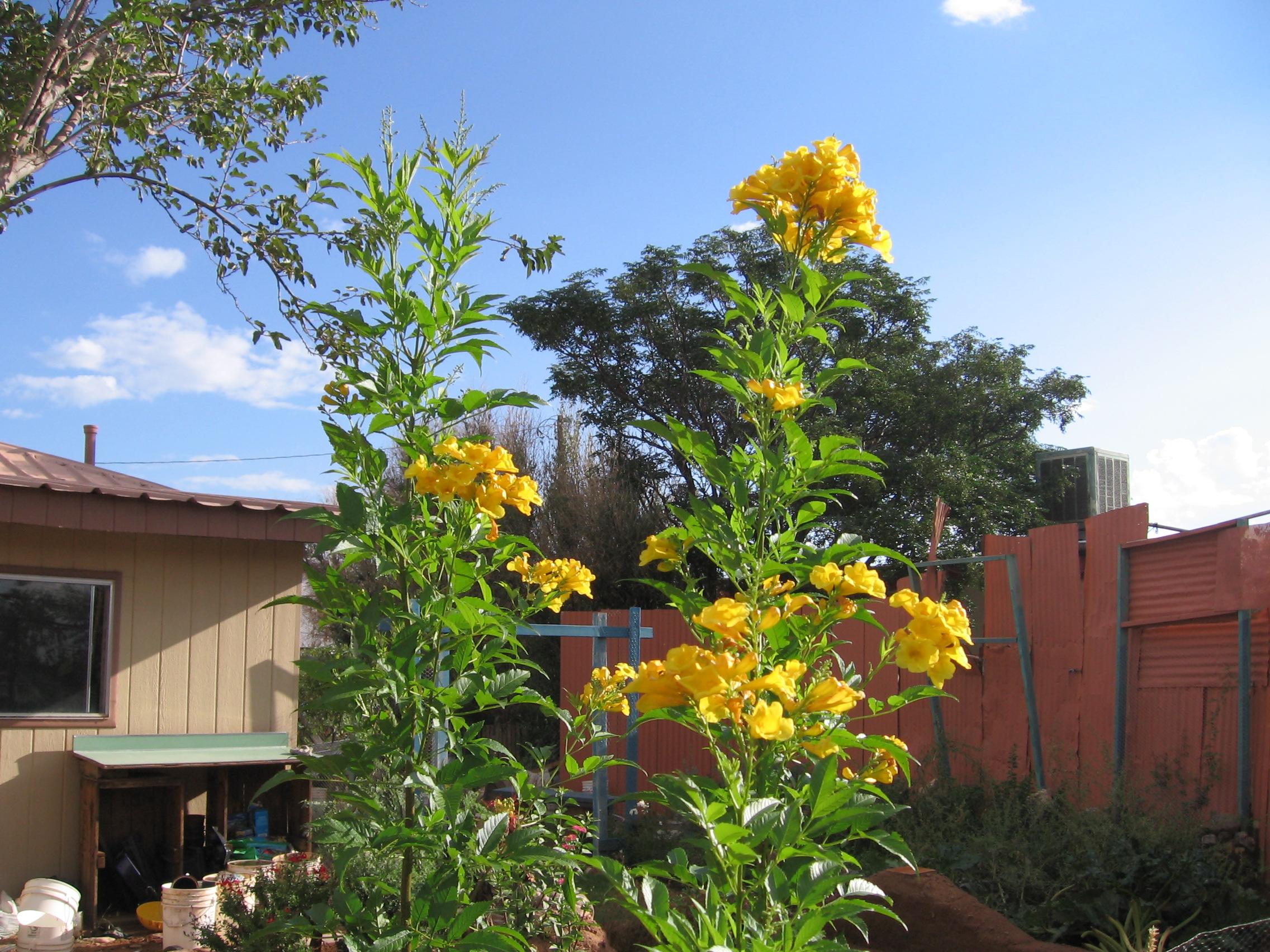
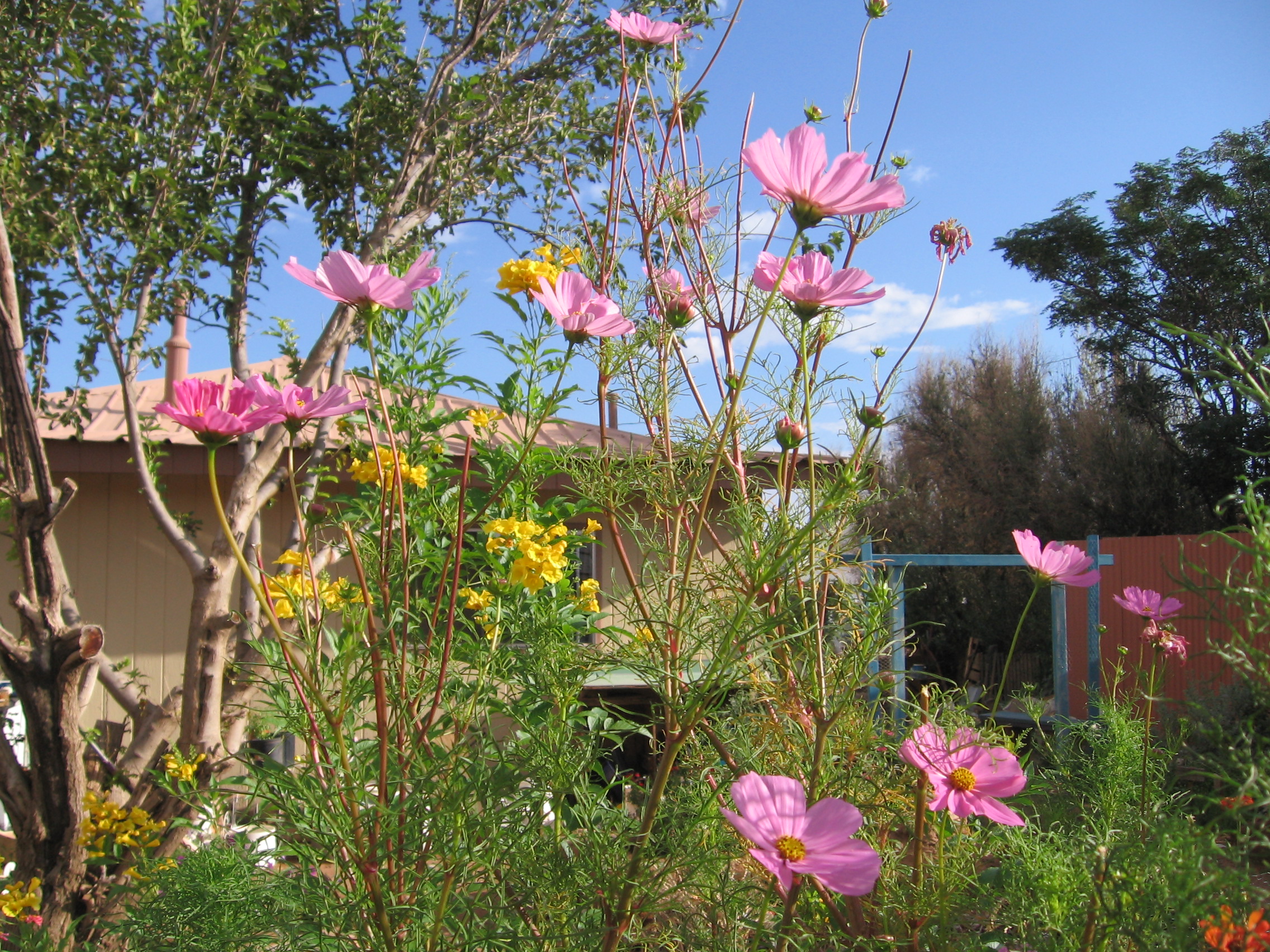
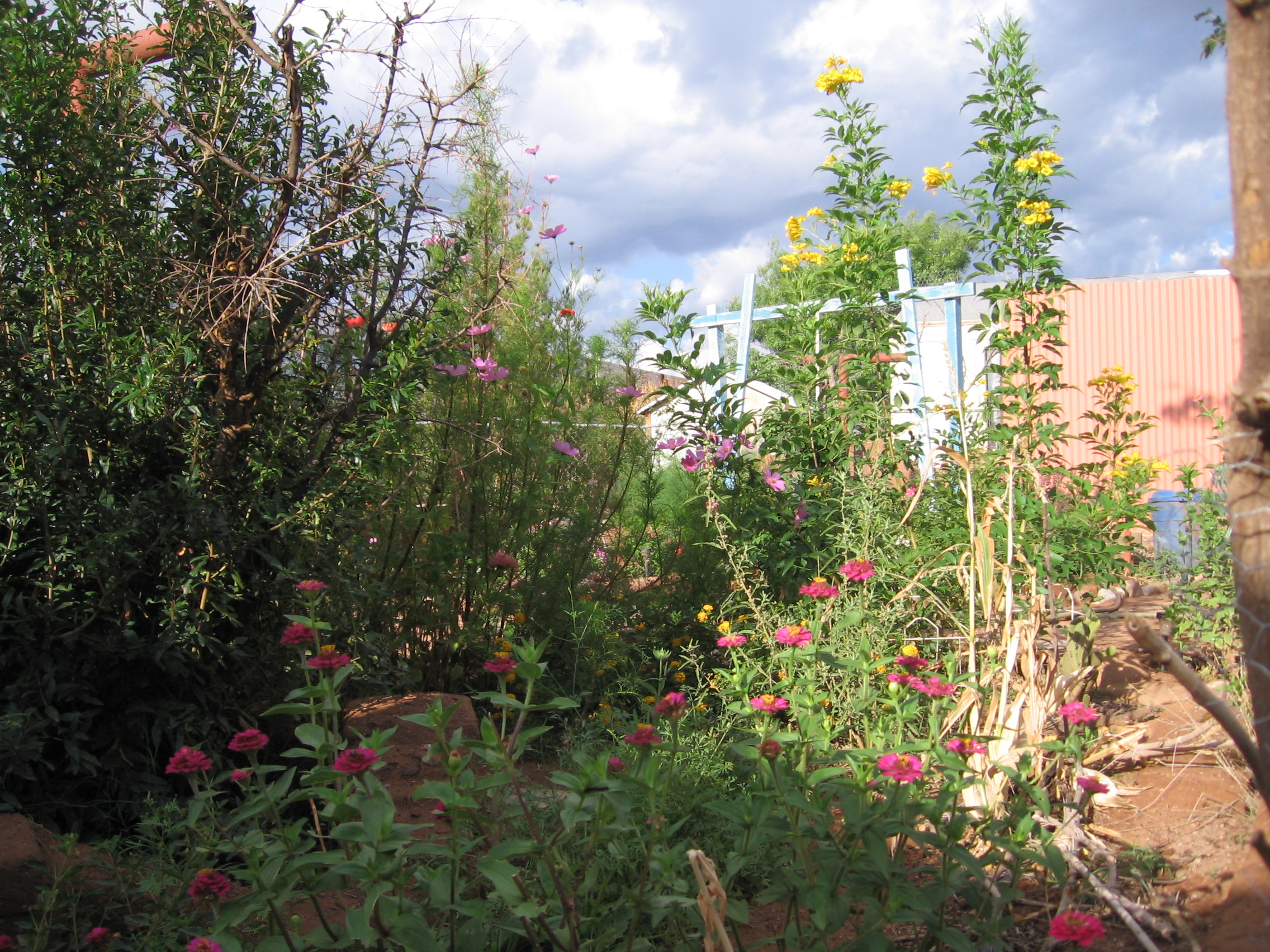
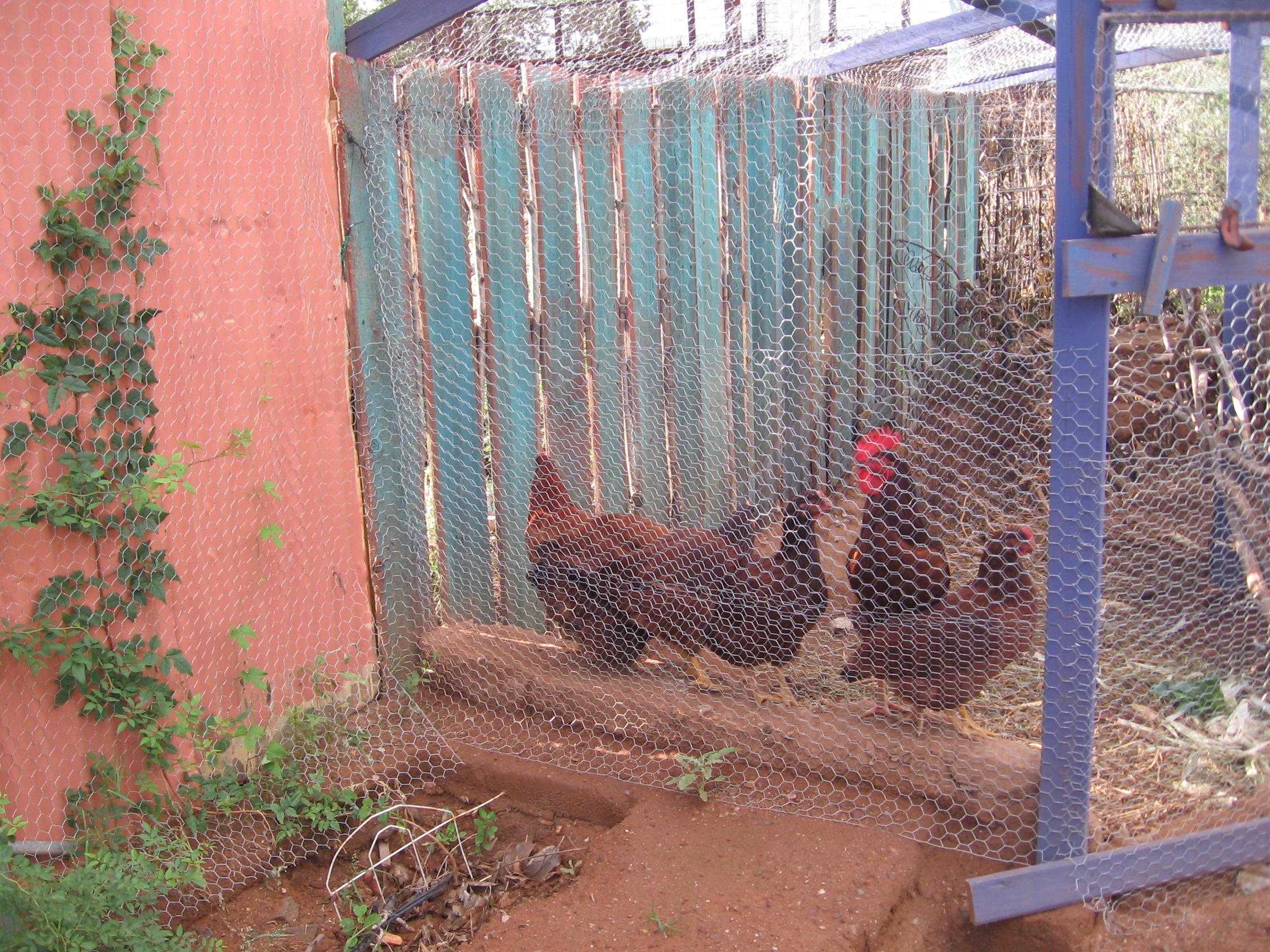
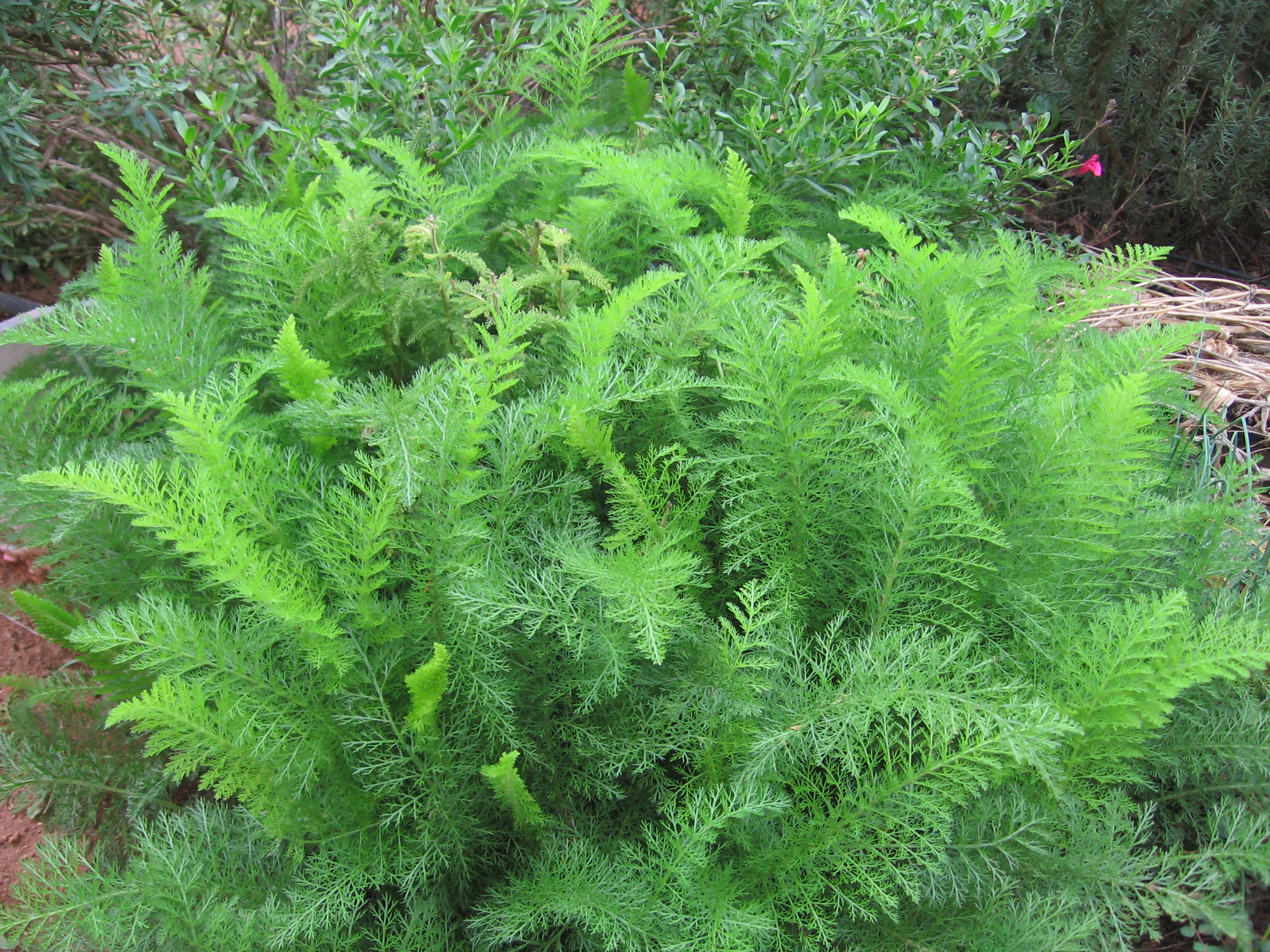
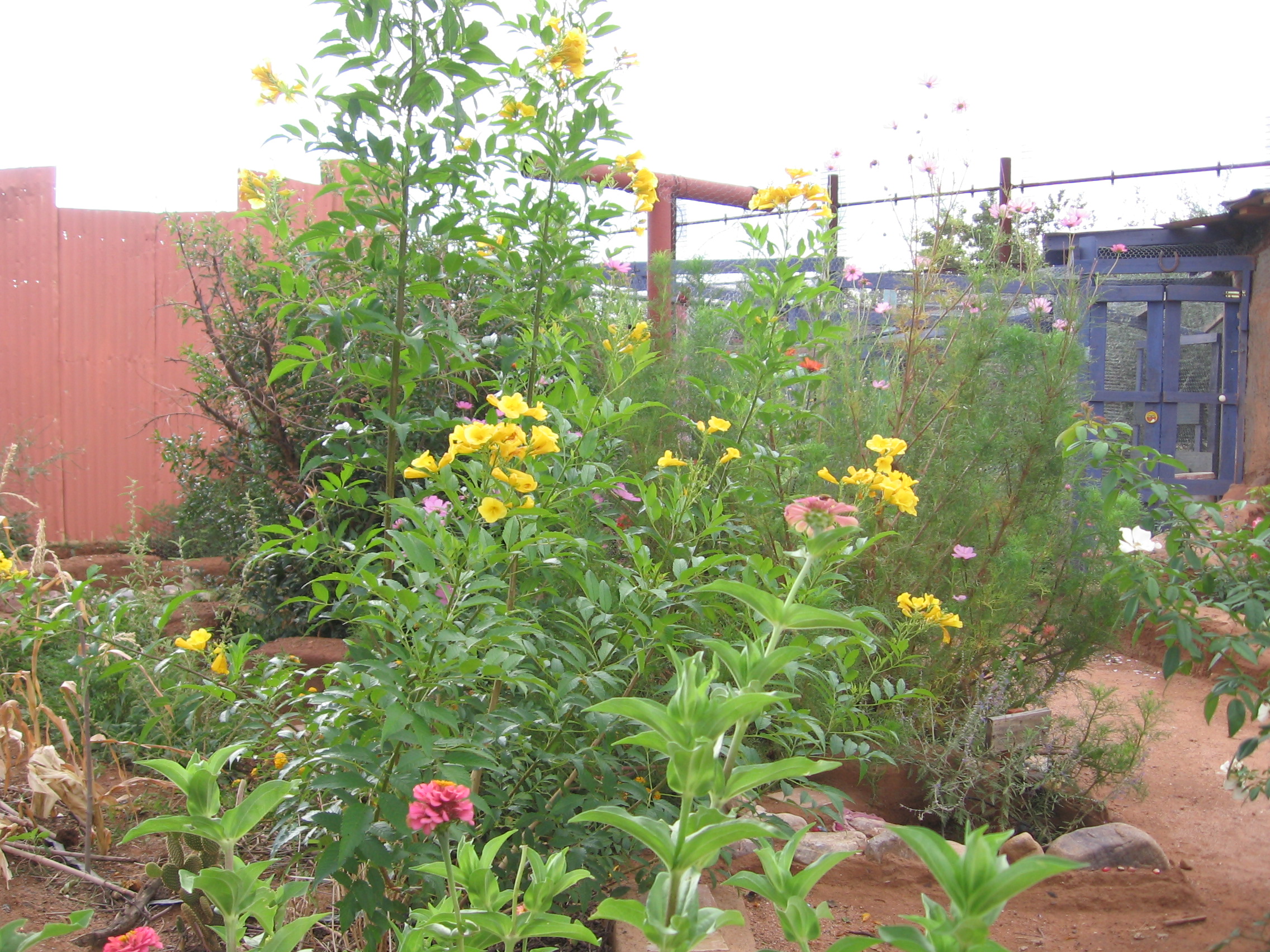
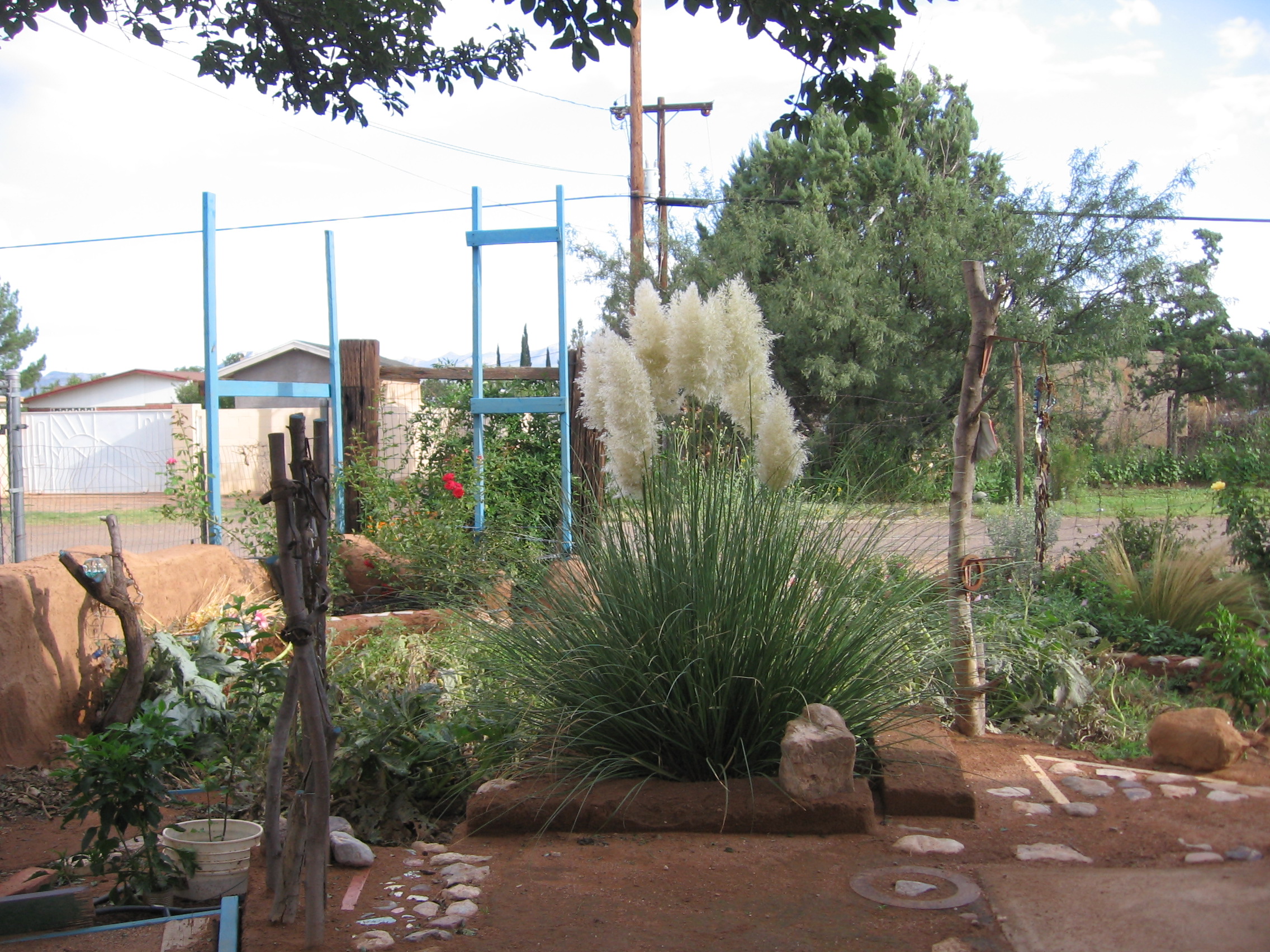
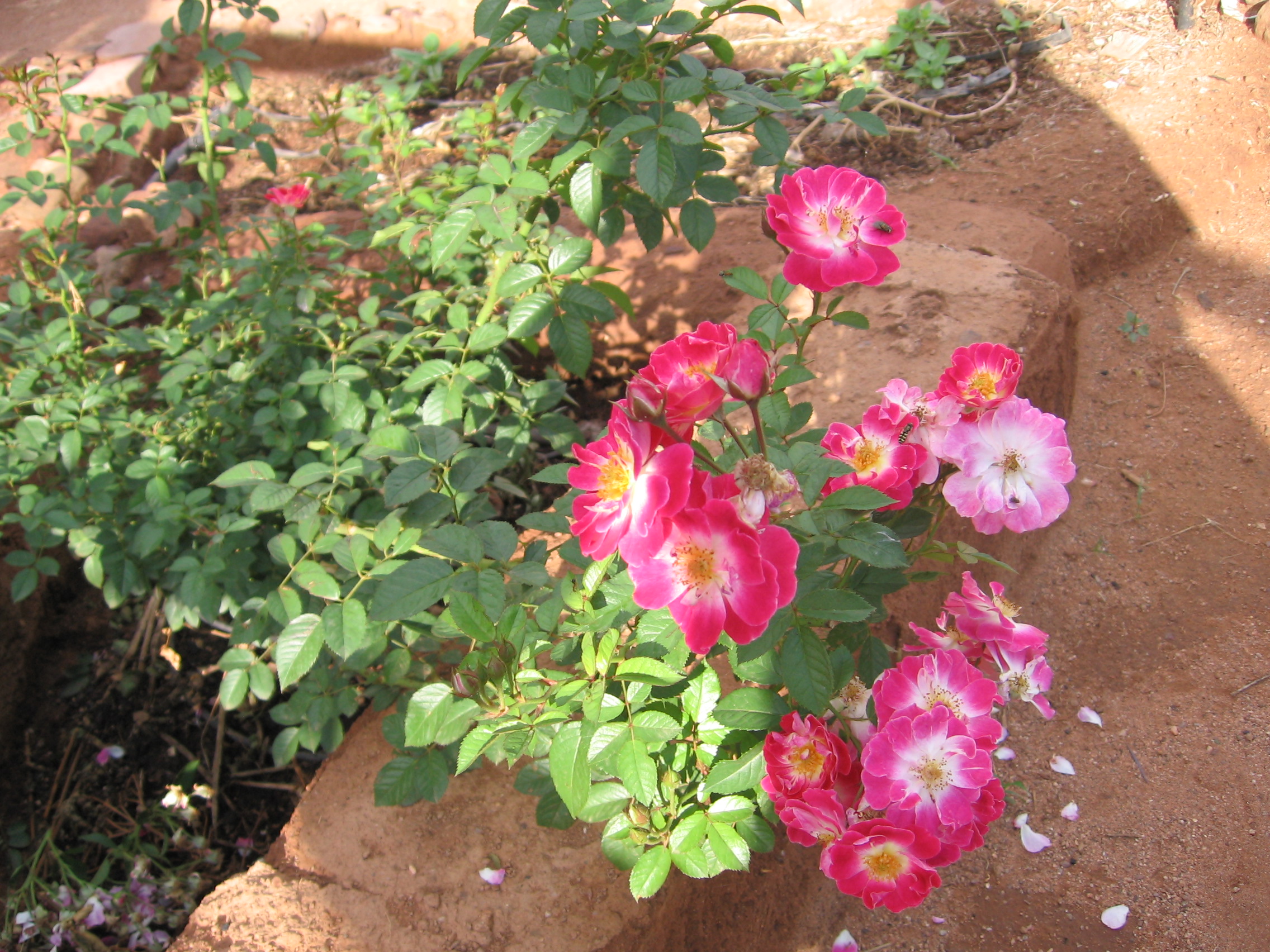
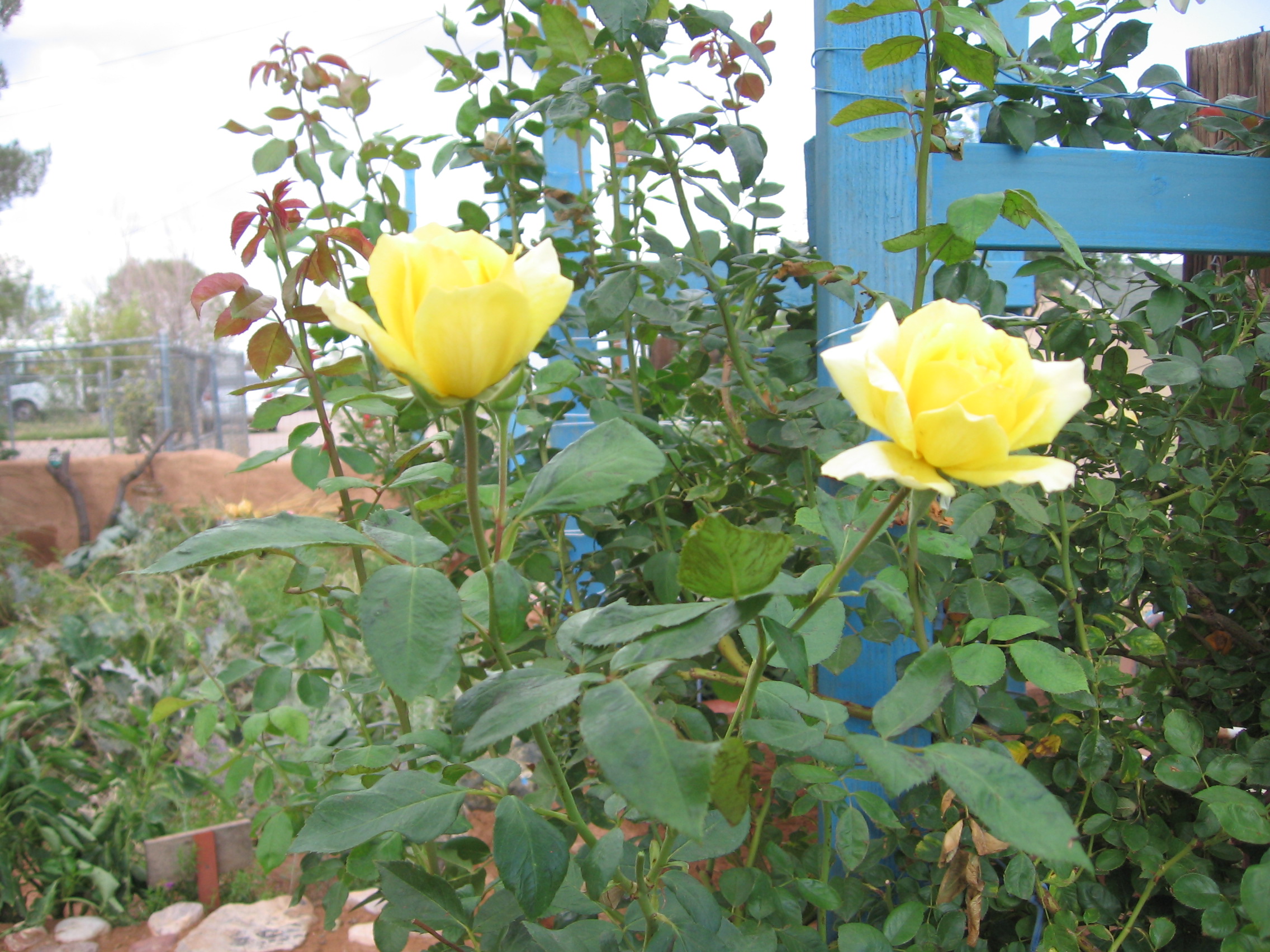
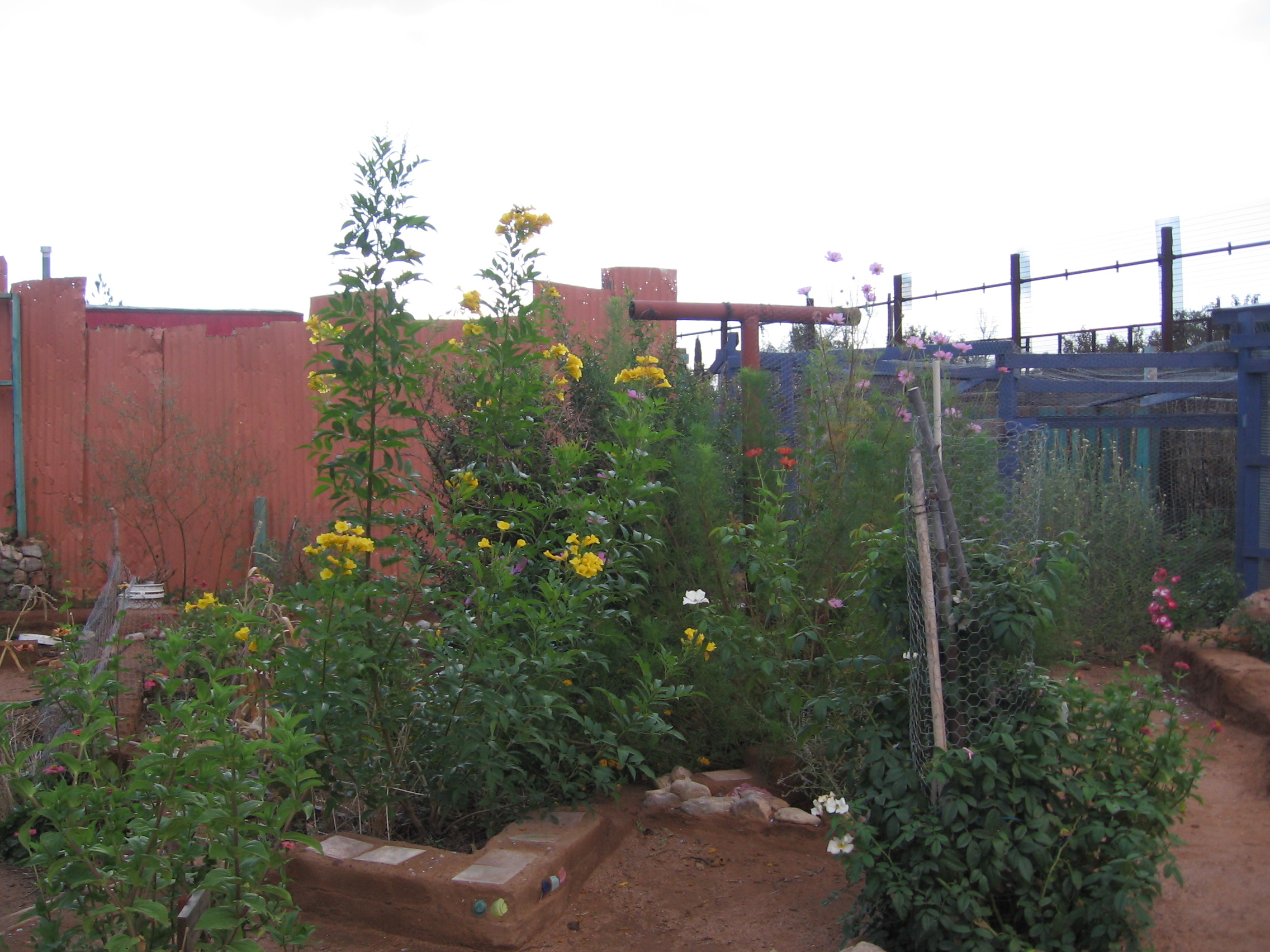
6 foot and growing, needs very little water! I killed the other 3 by watering too muchCosmos - there's an apple tree growing in there, tooJust fall.....Flock - just laying - with my extremely NOISY roosterJust green.......Just flowers.....Medium Pompas Grass - froze to the nibs last winter, is doing fineNearly Wild RoseRose yellowBack garden, dying organic tomato vines, too many bugs = home to newly born rattlesnakeWest fenceYellow bellsSpace mushroom - 5" across and growing
The more I ‘plumb the depths’ of the picture of the abuse that was done to me by my Borderline mother and as I study her own record of a segment of her life contained in her letters, diaries and childhood stories, I find that the origins of my mother’s disease were completely hidden from her and from those who were responsible for her early care. But just because the origins of her disease were not obviously present does NOT mean they were not there.
In its essence, I believe that the foundation of the cause of Borderline Personality Disorder (BPD) lies squarely in a breach of mother-infant early attachment. It is essential that those considering the disease of BPD and the terrible consequences this disease is most likely to cause for the sufferer and the offspring of BPD parents (and day care providers) that the information in this article becomes well-known.
While it is a well-documented scientific treatise on the subject of what human infants MUST HAVE in their first year of life to build an adequate emotional-regulatory right limbic brain, it must be understood that how this earliest-forming brain region develops directly influences the development of all the rest of an infant’s nervous system and stress response system for life. Earliest developmental patterning will include extreme stress-distress stimulation of all the overwhelming toxic stress hormones that can and do signal a developing human (and mammal) that there is something WRONG with the environment. All further development will then be sent off on a detour direction that cannot be reversed on its most fundamental levels.
If you have reason to question the kinds and amount of trauma-drama that is present in your life or present in the life of others you care about, beginning at the beginning by reading, studying and acknowledging the information at this link is of utmost importance:
It is clear within my mother’s writings that she THOUGHT all was perfect in her childhood.
The denial of the truth that her infancy and childhood was far from perfect contributed to the misery of her life.
Truth creates the channels that funnel off overwhelming traumatic stress and distress.
Absence of the truth in essence puts an early abuse survivor into a pressure cooker that has no release valve.
If such a survivor’s body has access to certain genetic combinations of potential that CAN be activated under early traumatic conditions that have NOT allowed for any other safe release of traumatic-stress-distress-pressure, the activation of the genetic potentials of certain diseases will occur. BPD is, I definitely believe, one of these genetic combination ‘release valves’. Activation of this disorder allows a survivor to continue to physically survive while awareness of the overwhelming trauma is completely blocked – for a lifetime.
(In this way BPD genetic potential can be seen as a resiliency factor ensuring survival against otherwise insurmountable odds. In my opinion a severe Borderline like my mother was pays for their survival with their sanity.)
++
Anyone who cannot track the contributing factors of a BPD’s earliest life needs to open wider the lens of their observation of the facts within the environment the BPD was formed in ESPECIALLY conception to age two (the first 33 months of life).
Because these earliest years are usually obscured by time and enshrouded in mystery and denial, the cloak that covers the truth needs to be removed in the present by expanding the arenas of search for those on a healing journey – no matter what their relationship with the BPD person might be.
Lifting the veil that is hiding the truth about trauma in families means looking for the facts about the bigger picture. Often one needs to literally draw a picture of ‘the family tree’. Onto this picture, over time, needs to be added ALL INFORMATION a person can locate.
I believe there will ALWAYS be overwhelming unresolved family trauma in the history of a BPD person. Who in that past was in a war? Who was alcoholic/addicted? Who was sexually abused (including incest)? Who was raped? Where were the dead children in sibling lines? Who had children that didn’t want them? Who was MEAN and was MEAN to children and mates, and who were the survivors of this treatment (including witnesses of trauma and those who suffered from extreme prejudice of all kinds)? Who suffered from joblessness, poverty, loss of family fortune (including language barriers, lack of education, illiteracy), too many moves, too much chaos, too much challenge without adequate resources, prolonged homelessness? Who was divorced, murdered, in jail? Who suffered from fire, natural disasters, displacement, spousal abuse, severe prolonged illness (including ‘mental illness’), premature death? Who provided early care prior to age six if the mother did not? Who was orphaned/adopted? What was the trauma present in the background of any alternate primary early-(0-2) caregiver? Who suffered from neglect including latchkey children under the age of 12?
To do this job of ‘spotting’ the trauma in a family tree one can create a list such as this one and then simply use colored crayons to attach a color code to each kind of difficulty. As the truth about people in the family (true also for adoptees and orphans regarding old and new familial relations), put a dot of matching color beside their name. (Remember that these risk factors work in ‘cumulative cooperation’ with one another and with resiliency factors.)
Severe unresolved trauma patterns in families will ALWAYS affect the ability of mothers to mother correctly. A study of Dr. Schore’s article will present an objective FACTUAL picture of what adequate mothering is – no matter who is providing it.
People are free to dance around and away from the truth about the history of those who abused them all they want to – or they can find the truth and honor it.
My mother’s BPD disease removed from her the ability to recognize the truth. Her disease created an alternate version of reality that was entirely supported by the brain-body changes her body went through in response to her earliest traumas. That nobody, including her, ever owned the truth about those formative and extremely damaging traumas of my mother’s life directly caused my mother to do to me what she did. My mother’s disease prevented her from having ANY access to the truth. That’s what BPD is meant to accomplish in a ‘survival at all costs’ world in the face of overwhelming early trauma.
Resolution Entitled: Opposition to Keystone Excel (“Keystone II”) Pipeline now being considered for authorization by the United States Department of State, on the basis that construction of such pipeline is not in the national interests of the United States
INTERTRIBABL SUMMIT XV RESOLUTION NO. 9-11-07
WHEREAS,
United Tribes of North Dakota (“United Tribes”) is an association of the five federally recognized Tribes located in North Dakota, each of which has a government-to-government relationship with the United States established by Treaty, including the Three Affiliated Tribes, the Sisseton Wahpeton Oyaté, the Standing Rock Sioux Tribe, the Spirit Lake Tribe and the Turtle Mountain Band of Chippewa, with a Board of Directors composed of the Chairman and one council member from each member Tribe; and
WHEREAS,
United Tribes exists to assist in furthering the common goals of the North Dakota Indian Tribes and Nations; and
WHEREAS,
On September 7-9, 2011, the Tribal Chairman and the Tribal Council representatives from the five Tribal Nations that are members of United Tribes of North Dakota, along with other Tribal leaders from the upper Great Plains, have been meeting at the Fifteenth Annual InterTribal Summit, the theme of which has been “Tribal Challenge: Provide a Safe, Secure Environment for Living and Learning With Limited Resources”, discussing issues of great importance to the Indian Tribal Nations of North Dakota and their members; and
WHEREAS,
a major oil transmission pipeline is planned to extend from northern Alberta, Canada, from areas that have sand mixed with tar and oil, called “tar sands,” to refineries in the United States; and
WHEREAS,
the route of the pipeline, called Keystone XL because it is the second oil transmission pipeline to be constructed by the same company that built the first Keystone pipeline, crosses through Indian country in northern Alberta, Saskatchewan, Montana, North Dakota, South Dakota and Nebraska, near and potentially over, many culturally significant areas for Tribal Nations within those provinces and states; and
WHEREAS,
based on the relatively poor environmental record of the first Keystone pipeline, which includes numerous spills, U.S. regulators shut the pipeline down in late May, 2011, and, therefore, based on the record of the first Keystone pipeline, and other factors, it is probable that further environmental disasters will occur in Indian country if the new pipeline is allowed to be constructed; and
WHEREAS,
the First Nations of Canada, representing the vast majority of First Nations impacted by “tar sands” development, have unanimously passed resolutions supporting a moratorium on new “tar sands” development and expansion until a “cumulative effects management system” is in place, and are also in opposition to the pipeline; and
WHEREAS,
many U.S. Tribal Nations are also in opposition to the Keystone XL pipeline, including several Tribal Nations in the Great Plains, because it would threaten, among other things, water aquifers, water ways, cultural sites, agricultural lands, animal life, public drinking water sources and other resources vital to the peoples of the region in which the pipeline is proposed to be constructed; and
WHEREAS,
Indian tribes including the Affiliated Tribes of Northwest Indians are also in opposition to the Exxon-Imperial “Heavy Haul” proposal to transport “tar sands” equipment through the Nez Perce Reservation and across scenic highways, and several Indian tribes have joined in litigation to stop this proposal; and
WHEREAS,
the pipeline is unnecessary as a number of other pipelines are not at full capacity to carry oil from Canada to refineries in the U.S., and the oil is also not likely to end up on the U.S. market but will be exported to foreign countries; and
WHEREAS,
Tribal Nations and First Nations within Indian country near the route of the proposed pipeline have already stated their opposition from both Tribes and environmental groups, a supplemental environmental impact statement has been required by the United States Environmental Protection Agency from the proposed operators of the pipeline, a draft of which is now available for public comment; and
WHEREAS,
since the pipeline is designed to cross the U.S.-Canadian border, the United States Department of State is the lead U.S. agency in evaluating whether the pipeline should be allowed to be constructed in the U.S.; and
WHEREAS,
the First Nations of Canada and Tribal Nations within the U.S. have a long history of working to ensure protection of their environment, and the Keystone XL pipeline poses grave dangers if it is constructed; and
WHEREAS,
the U.S. Department of State is continuing to accept public comments until October 7, 2011, but despite the concerns of the numerous Tribal Nations and the First Nations of Canada has recently received notice from the U.S. Environmental Protection Agency of a “Finding of No Significant Impact” from the proposed pipeline.
WHEREAS,
the U. S. Department of State did not properly consult with the Tribes along the route of the Keystone Excel Pipeline and, as a result of the mechanisms used for what consultation was provided, the affected Tribal Nations were not provided the opportunity for “free and informed consent” regarding the construction of the pipeline.
NOW, THEREFORE, BE IT RESOLVED, that the United Tribes of North Dakota stands in solidarity with the First Nations of Canada and with Tribal Nations in the United States in opposing the Keystone XL pipeline and the Exxon-Imperial Heavy Haul proposal and their negative impacts on cultural sites and the environment in those portions of Indian country over and through which it is proposed to be constructed, and disagrees with the Finding of No Significant Impact issued by the U.S. Environmental Protection Agency, and agrees to file these comments regarding this opposition to the Keystone XL pipeline with the Secretary of State as soon as possible; and
BE IT FURTHER RESOLVED that UTND hereby urges all its Tribal Nations to submit comments to the U.S. Department of State regarding the Keystone XL project; and
BE IT FURTHER RESOLVED that the United States is urged to reduce its reliance on the world’s dirtiest and most environmentally destructive form of oil – the “tar sands” – that threatens Indian country in both Canada and the United States and the way of life of thousands of citizens of First Nations in Canada and American Indians in the U.S., and requests the U.S. government to take aggressive measures to work towards sustainable energy solutions that include clean alternative energy and improving energy efficiency; and
BE IT FINALLY RESOLVED that this resolution shall be the policy of United Tribes of North Dakota until otherwise amended or rescinded, or until the policy objective of this Resolution is accomplished.
CERTIFICATION
As Chairman of the Board of Directors of United Tribes of North Dakota, I hereby certify that the foregoing resolution was duly passed at a meeting of the United Tribes of North Dakota Board of Directors at which a quorum was present, held on the 9th day of September, 2011, in Bismarck, North Dakota, with a vote of 8 in favor, 0 opposed, 0 abstaining, and 2 not present.
NOTE: The formatting on this WordPress blog does not allow for an exact match with the spacing of the original copy. It was also not possible to post the pdf file of the original copy on this blog. In order to make this information available on Facebook this seemed to be the best alternative possible.
+++++++++++++++++++++++++++
Already, North Dakota has the original Keystone Pipeline passing through the state, and there was a nasty spill not too long ago. The Keystone XL would supplement the existing Keystone Pipeline.
++++++++++++++++++++++++++++++++++++++++++++
HERE ARE SOME LINKS TO ADDITIONAL RELATED INFORMATION:
In this Feb. 28, 2008 file photo, rail cars arrive in Milton, N.D., loaded with pipe for TransCanada's Keystone Pipeline project, which carries crude oil across Saskatchewan and Manitoba, and through North Dakota, South Dakota, Nebraska, Kansas, Missouri and Illinois. TransCanada Corp. has won support for a new pipeline project that will tap into the burgeoning U.S. Bakken region, where oil production is expected to nearly double in coming years. THE CANADIAN PRESS/AP, Grand Forks Herald, Eric Hylden
The U.S. Department of State has released the Final Environmental Impact Statement for the Keystone XL Pipeline Project and associated information at the links below:
Google search terms: “keystone xl pipeline tribes” — “keystone xl pipeline” — “ keystone xl pipeline north Dakota” — “keystone north dakota oil spill” for more info
My thinking since beginning to learn to play piano is coming to include some new thoughts, right now particularly regarding ‘dissonance’ and ‘harmony’. I’ve never studied music before so this is ALL new to me. Evidently I have always thought that harmony would sound GOOD and dissonance would sound BAD. Tired now from my hours of work on a song I am learning I turn to the wonders of the internet for some insights.
In music, a consonance is a harmony, chord, or interval considered stable, as opposed to a dissonance which is considered to be unstable (or temporary, transitional). In more general usage, a consonance is a combination of notes that sound pleasant to most people when played at the same time; dissonance is a combination of notes that sound harsh or unpleasant to most people.
I thought playing piano would be ‘fun’ and ‘relaxing’. I wasn’t prepared for anxiety to show up all over the place in the musical pieces I am learning to play. What’s this about??? My entire body reacts to dissonance in the music. I am having to learn in a very real, tangible way that dissonance is a part of the harmony of life. If I don’t work this through, I will not be able to play AND enjoy it! (I am finding that playing the music is VERY different from listening to others play it.)
++
In my Google search for “piano dissonance harmony” I encountered this interesting piece of writing:
“We are facing today a vast and radical attempt at world-regeneration. We have come to one of the critical moments of human evolution when the struggle between particularism and universalism reaches an acute condition; when the destiny of many centuries to come hangs in the balance of our own thinking, imagining and behaving. There have been many such crises in the past; yet this which we are experiencing today is probably more far-reaching, affecting as it does the whole of the human race in a way not to be paralleled at least in historical times.
“The particularistic attitude is earth-born; the universalistic we may call for the time being mind-born, it being understood that by the term mind we mean neither the brain-consciousness nor the intellect (which is but the power to synthesize sense-impressions) but the true principle of spiritual-metaphysical manhood which differentiates altogether Man from the animal and makes of him a super-earthy being.
“These two attitudes give birth to two essential types of philosophy, of social order, of art. Society or any work of art (musical or plastic) is a complex whole made of many parts or units. Whether these units are human beings or musical tones or geometrical forms does not essentially matter. The important thing is the type of organization which makes of all these units a whole.”
This piece of writing goes on (please click above on title link for whole article) to say:
“However, our present task is essentially to analyze the two basic types of relationship which individuals, social or musical, may enter into….
“A relation between two musical units is called an interval. Intervals are considered as being either consonant or dissonant; consonance and dissonance being as it were two poles. Absolute consonance is the negation of the interval, thus the unison: two tones having become one. Absolute dissonance really does not exist. No interval is absolutely dissonant; it is only more or less so. When two tones are sounded, the relation between which cannot be felt by the hearer, a discord is thus produced. We might say to precise the meaning which we give to these basic terms that a consonance is a relation which can be easily reduced to unity; that a dissonance is a relation the terms of which are constantly pulling apart; that a discord is produced by the absence of any perceived relationship between two units.
“The difference between a discord and a dissonance is especially a purely subjective one, a constantly changing one even for a single hearer. The more developed his power of relating apparently heterogeneous elements, the smaller the field of discords for any particular hearer. This power increases by mere habit to a considerable degree. We shall refer to it subsequently as that of identifying opposites; metaphysically it is the power of relating spirit to matter, the essential characteristic of the truly human Soul.
“1. A consonance is the product of a relation between two musical units which is natural and easy to apprehend; 2. Also of a relation which is satisfying and self-fulfilling, thus static.
“A dissonance is a field of tension out of which something emanates, what we have called synthetic resonance. This is really tone-energy, an energy unclassified as yet by modern science, but perhaps akin to what has been called by some odic energy [life force – what I feel in my body as triggered anxiety when I hit it in the music], or perhaps nerve energy under certain conditions.
At any rate it is power which can be used indifferently in a constructive or in a destructive way…consonance and dissonance are but two poles of the same substance, of SOUND. The one ever penetrates the other, the one ever becomes the other. Music is the glorification of both.”
++
The piece of music I am dedicated to learning to read and to play attracts me because of its interplay of dissonance followed by beautiful resolution in consonance. I am finding as I learn to play music that my PTSD anxiety is triggered powerfully by discord. If I am going to play music, I need to work up my tolerance for dissonance – in part by understanding how it works, why musicians write it into their music, what the relationship is between consonance and dissonance, and how my anxiety interplays with my ability to both tolerate and to enjoy certain sound combinations.
As a survivor of 18 years of severe child abuse from birth, I have had all the ‘dissonance’ I can handle for a lifetime — or have I? These troubling anxious spots in the music — I know I respond to them with a HYPER/OVER reaction — too much, too strong, too painful, too uncomfortable. I remind myself “This is SAFE, Linda!” Playing music is a perfect medium for healing some of my difficulties with disharmony —
As I learn to hear this piece of music I am working on – note by note, phrase by phrase, section by section — I am learning to experience the WHOLE created by all these separate parts — the ones that sound like they get along and the parts that don’t sound that way! Fascinating study….
(It strikes me that this is all really about ‘rupture and repair’, the vital ingredients of infant-caregiver safe and secure attachment relationships that build our musical-emotional-social-right brain in the first place — or not in cases of early abuse….)
There are some who wish to learn of the true solutions to the problems of the world. To those people the Writings at this link will be of interest on this day commemorating the national tragedy of September 11, 2001.






 Stop the Storm
You must be logged in to post a comment.