+I WILL FORGET THE ANGELS’ PRESENCE NO MORE

++++++++++++++++++++++++

Wise are the mysterious promptings of the heart that sometimes cause us to make new connections in our thoughts, to say things to those we care deeply about, to finally find our own courage to stand by what we know as our own personal truth, and to let ourselves leap into the feared unknown so that we can find hope for ourselves and for others that we never knew existed before.

I have a nearly 20-year-old cassette tape Walkman with headphones that I use while I do my 45 minute near-daily jog.  I only have two tapes that work in the player.  I have tried all kinds of other ones, but I have decided that the bands that move the tape must be geared only to the exact weight of these two tapes — and nothing else.  One is a Chet Atkins tape that is obnoxious to listen to — hard as that is for me to believe!  The music is clipped and fakey to me, no matter how great the talent recorded on it.

The other one is a Stevie Nicks tape, The Wild Heart.  I have listened to that tape throughout my jogs so many times I can’t count them.  Yet suddenly yesterday, on my 59th birthday, there was one line from one song that leaped out not only into my ears, but into my heart, mind and soul so loudly that all other sounds on the tape completely disappeared.  I can’t even say at this moment (until I do today’s jog and hear the song again) what the name of the song even is — but here is the line:

“I BLAME THE ANGELS!”

At that moment something changed inside of me — the greatest birthday present I could ever have been given.  I can’t name or describe the change exactly, but I can feel it.  For the first time in my life I can feel, sense and almost physically see that all the supposed empty space around me, around all of us here on this earth is filled not only with air — but also with angels!

There are actually so many of them that I don’t know how they fly around without bumping into one another!  I guess they have their own version of traffic control, because “Oh, my GOLLY!  There’s a whole LOT of them!”

And each of them is here to help all of us.

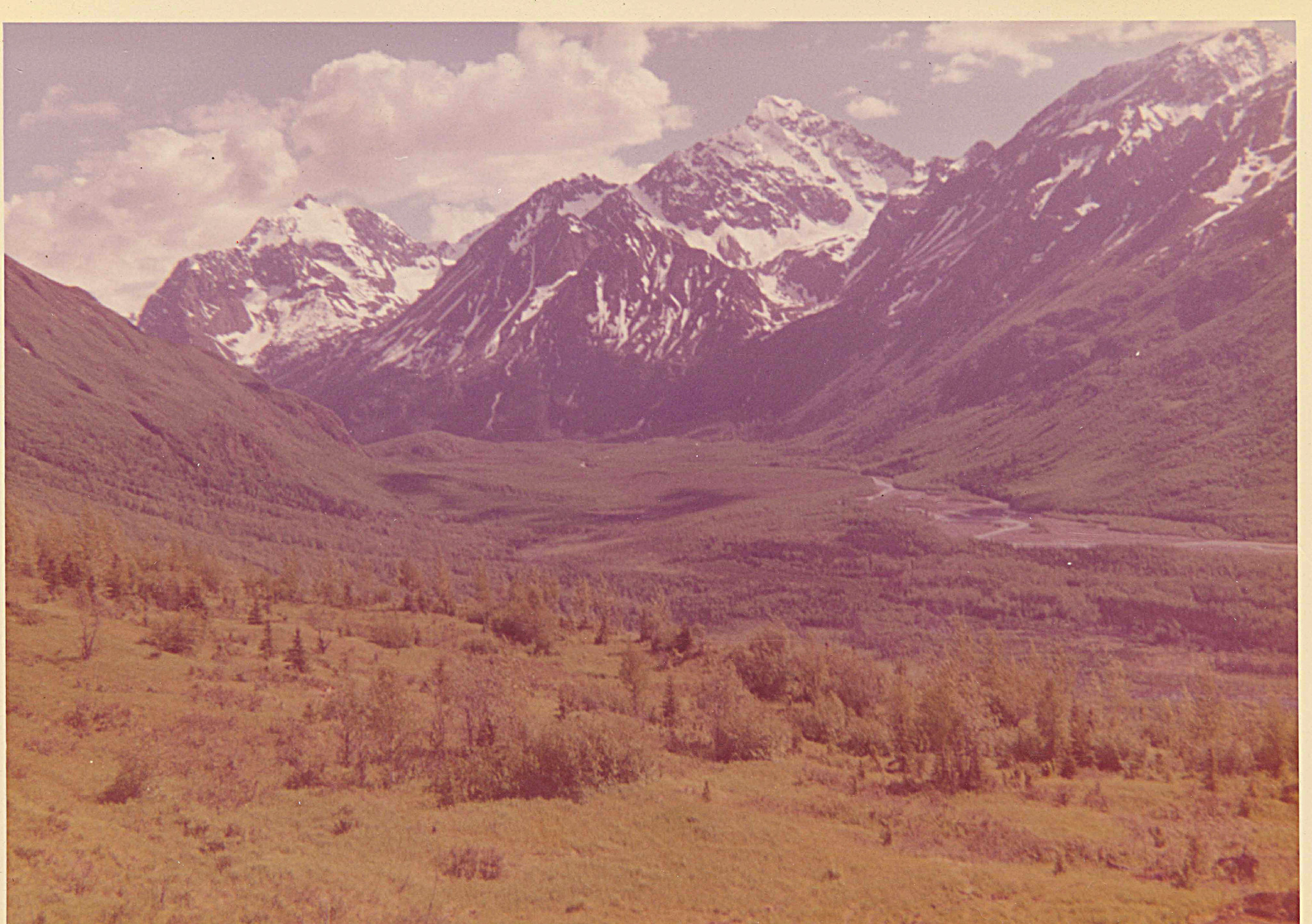
Well, I humbly must admit that I have to wonder how it could have taken me all the way through time to my 59th birthday to reconnect to something I so absolutely knew as a child on that mountain I had no question.  I will try to scan in a photograph that my sister just sent to me that will (again, and hopefully more clearly) introduce you to the Angel on the Mountain that was my closest friend and companion during my abusive childhood.

(Give me a moment here.  I have to dig through this pile of photographs for the one I am thinking of.)

I first met this angel when I was 7.  She was more real to me than anything else in my life, and she was my Companion and my Comfort.

This angel was a Presence in my life. There was in feeling no distance between us. While I could see her visually across the valley and over there perched on her mountain peak, I felt bonded to her.

This angel heard everything I ever said to her, but mostly in my misery I had no words, yet I knew she ALWAYS knew exactly who I was and what I felt.  I knew she always watched over me and never left ‘my side’ — and never would.

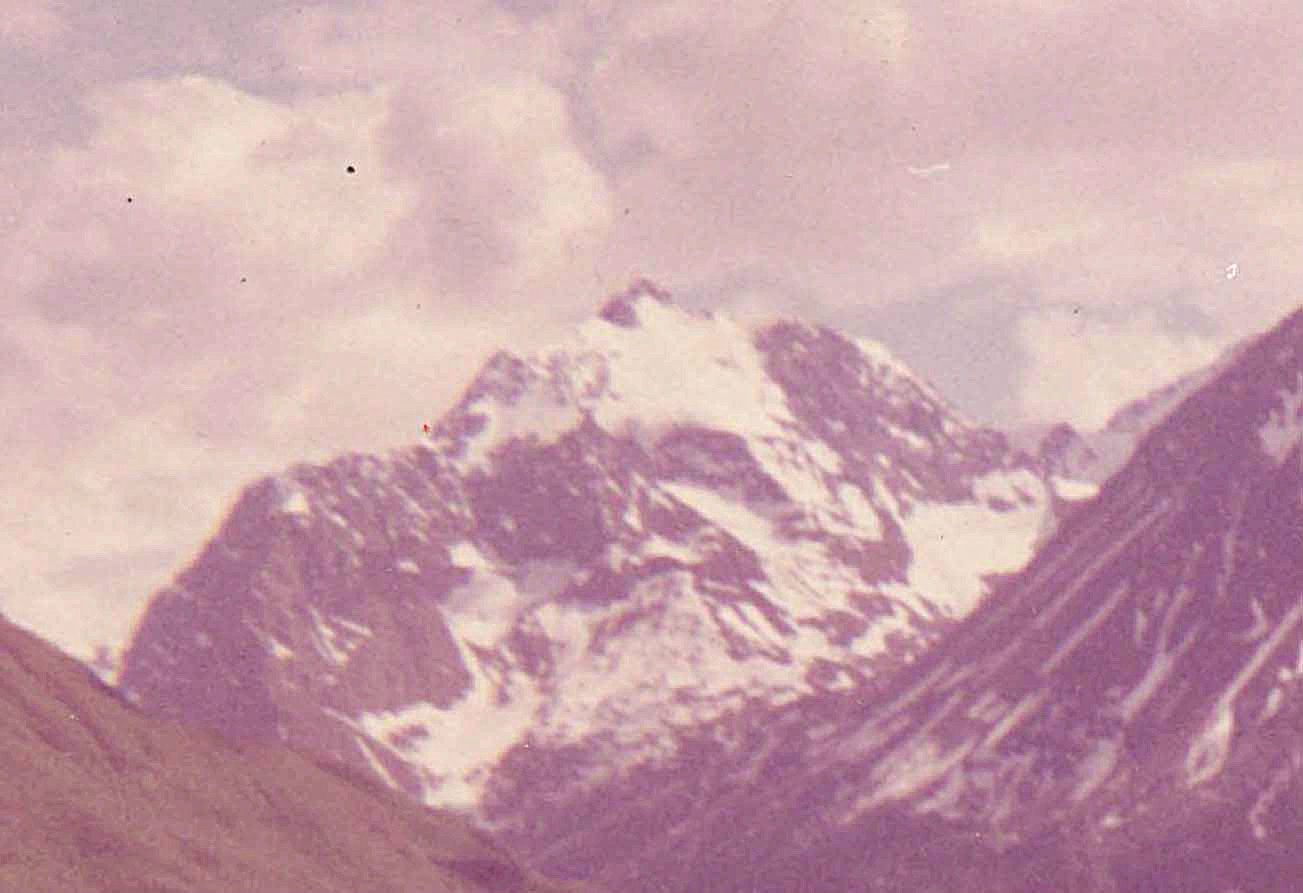
I hope you can detect her up there.  In my senses she was alive — and every time I looked up at her I was in a different spot, never exactly in the same one twice, so her shape changed subtly with my movements as if she, too, could move — though of course I never THOUGHT about these things.

I can look at this photograph my mother took probably in 1959 and there on the left in the back, at the end of the mountain range across from our Alaskan homestead where this picture was taken, I can see that angel up there as clear as day!

Her head is turned slightly to her right, and as a child I knew without ever thinking of it that she was looking at me, that she could see me just as clearly as I could see her.  Her wings spread out to her left and right, her dress cascades down the mountaintop below her.  In the summer she appeared as she does here.  In the winter she donned her winter dress, her halo turned whiter and her wings grew in vastness along the top of the mountain’s crest.

++

Yesterday as I loudly heard the words of Stevie’s song, “I blame the angels,” it was like a veil was torn away that has kept me from feeling the presence of angels like I was able to with THAT Angel on the Mountain when I was small and so terribly hurting.  I never knew I created that veil after I ‘grew up’.  In fact, I have shrouded my entire feeling experience of my childhood under this same (or similar) veils.

These veils, or shrouds, have buffered me from the emotional memory reality of my childhood suffering, as well as from most of the dissociated specific facts of my childhood memories.  I had to not only endure and survive my childhood, I ALSO had to endure and survive my adulthood!

Part of how I did that was to cast over my first 18 years of life a sort of cloak that not so much made it invisible as it did dim and obscure it from my awareness as I made my childhood so out-of-focus and obscure (like having a blindness, a terrible ‘vision’) that I could direct my attention elsewhere (at my adulthood).

++++

The way my thinking works, all of this I am writing about seems closely connected to an experience I had within hours after my double mastectomy surgery in December of 2007.  Nobody had told me prior to surgery what they told me afterward, and perhaps in part because of this I experienced the following:

I was given IV morphine for the first 20 or so hours after surgery.  During that time I did one very important activity — I stretched!  I sat up in bed, raised my arms as high over my head as I possibly could, and I stretched.  I continued to move my arms in this wide stretch in all directions — yes as I think of it, not unlike a butterfly might stretch its wings when it first exits its cocoon (or a new angel).  And as I instinctively performed this stretch without thought or intention, I could hear and feel (though there was no pain) a strange ripping, crackling, snapping inside my shoulders, across my chest and back.

I thought nothing of this until hours later when the surgeon stopped into my room and mentioned that many women experience a limitation in their range of motion due to this surgery.  As she verbally described what this limitation would be like I naturally raised my arms and searched for this limitation within myself.

It wasn’t there.

I had broken through whatever that kind of limitation could have been even before anyone had told me of its possible existence.

I mention this now because in my thought connections I realize that I am again experiencing a related kind of ripping through limitation.  Whatever veil-shroud I naturally created to obscure the pain, horror and reality of my infant-childhood of trauma and abuse  — because I HAD to do it to survive my adulthood — ALSO numbed my ability to experience my ‘Angel Love’.

Some part of that veil was ripped away yesterday on my birthday as I jogged around listening to Stevie Nicks wake up and hone in her musical echos, my ‘angel senses’.

++++

I realize now as I write that I am tired of words.  As a child, back there within that veiled and shrouded world of trauma and trouble, I had very little use for words, and I certainly did not use them to think with.  I was fully capable of thinking without words.  In that state of being, I could simply BE with that angel, a fact that at this moment helps me know a broader sense of Shakespeare’s statement, “To be or not to be.  That is the question.”

That is not an itty bitty personalized reality.  It is as big as the creation all of us are a part of.  I know myself well enough now to know I don’t think in terms of ‘faith’, and not even in terms of ‘belief’, either.

I didn’t have ‘faith’ in my intimate interrelationship with that Angel on the Mountain.  I didn’t have ‘belief’ in her unending and absolute love for me.  Both she and I were simply BE-ING.  We existed.  We were.

As I continue to stumble forward at this moment in my world of words I also know now that I can thank the fact that our family had no indoor bathroom for much of the assistance I received from my relationship with the presence of that Angel.  Sooner or later, no matter what punishment my mother was at the moment engaged in regarding me, I had to use the outhouse.

Those moments I walked out the door of our strange canvas-covered abode into the open air of the wilderness I was both in those moments NOT in my mother’s presence at the same time I WAS in the presence of that Angel as if she and I existed together in an entirely different universe than the one my mother existed in.

Most of my childhood my beaten body and my broken heart bled tears.  During the brief intermissions in abuse created by my having to go outside the ‘house’ into the air of wilderness freedom I was automatically blessed by the presence of that ever-present Angel on the Mountain who I understood without question knew everything about me and compassionately cared.

++++

Yesterday I was reawakened to what that feels like not only to be so loved by an Angel but to be able to receive that love as naturally as I receive air.  THAT angel was situated on THAT mountaintop and never left it (although her love felt like a physical presence as she expanded herself all the way across that valley to wrap me in it).  What I received for my birthday gift yesterday is not only the reawakened sense and knowledge of what that love FEELS like, but also the knowledge that there are angels EVERYWHERE that are all full of that same love for humanity.

I have no desire to complicate this gift with thoughts about ‘proof’ or ‘religion’.  These angels seem to be as much a part of this creation I am a part of as everything else is.  They simply ‘BE’.  I have greatly missed knowing this.  No matter what else I have had to ‘forget’ about my childhood, I will forget the existence and presence of these loving, compassionate, caring angels no more — hopefully forever.

(I swear!  I feel as though I am walking through ANGEL SOUP now and they don’t mind a bit!)

(The song lyric is from Stevie Nicks’ song “Wild Heart,” and literally is “Blame it on the angels.”)

++++

CLICK HERE – TALKING ABOUT THE POWER OF LOVE

++++++++++++++++++++++++

+DISSOCIATION: MEMORY OF ONGOING EXPERIENCE FROM THE PREY’S POINT OF VIEW

++++++++++++++++++++

I intended today to write a post about dissociation when I went outside to sit with my morning cup of coffee.  What greeted me there was a trauma-drama in full play, and not a pleasant one for me to watch.  Yet I know that life, and nature itself shows us things that often allow our right brain to watch visually as drama and image at the same time our left brain is offered information to THINK about.

I am going to separate my two ‘streams of information’ this morning.  This post is about how a severely abused and traumatized infant-toddler’s body-brain is forced to absorb information about the world, and about itself in the world in relation to its early attachment caregivers.  The information I am going to present in my NEXT post will be the scientific, rational, logical and far more abstract information.  We NEED this more technical information, but as survivors we will not be able to really understand it or make good practical use of the dry information that developmental neuroscientists provide for us if we cannot ASSOCIATE this information with our own ongoing experience.

People often use this term in the English language, “a game of cat and mouse.”  What I watched this morning as one of my cats toyed with a furry little mouse could have looked like a game from her point of view.  But what was this experience like for the little, tiny mouse?  Its life was at stake, and there was anything BUT a game going on from its point of view.

Those of us who were raised especially by extremely hate-filled abusive and traumatizing mothers from the time of our birth were like this little mouse.  Yet we were even more helpless against our giant predator.  At least this mouse was fully developed and could use all its possible defense abilities – not that they would in the end be effective at allowing it to escape and go on living.

I knew how this ongoing drama would end.  Yes, my cat WAS playing with her prey.  She was fully focused and concentrated on her ‘game’.  The mouse was fully focused on trying to avoid being killed.  And there I was, the bystander at the same time I was the only hope that little mouse had for staying alive.

++++

The mouse was quick, but the cat was quicker.  Every time I tried to sidetrack the cat she out maneuvered me, grabbed her little ‘toy’ and ran off to continue her ‘hunt’ somewhere else.  How could I help to give the mouse a chance to escape – to where?  There’s nowhere in my yard that mouse would be safe and secure.  There was no way I could catch the mouse and move it somewhere out of danger’s way, either.

There are a lot of mice here.  Part of the reason why, I know, is because my east neighbor whose property I just fenced off from my yard visually, continues to heap all his garbage for a family of seven against that fence, thus encouraging rodents to multiply.  Where there are rodents, there are rattlesnakes to eat them in this country.  Elimination of mice is normally a good thing.  I just didn’t want to WATCH the elimination happen.  Not today.  Not as I prepared to write a victimized-survivor post about dissociation!

But what I thought about as I continued to try to dissuade my cat from continuing her mission was how that little mouse, in the midst of the insecurity and lack of safety involved with its ongoing trauma, would NEVER do anything else but focus on its own survival.

These thoughts became entangled and intertwined with the technical information I was thinking about for my post on dissociation.  Because my mother was a predator, and because I was just as much her ongoing prey as this mouse was to my cat, there was NEVER a time in my infant-toddler-childhood that I was assured of enough safety and security to do ANYTHING ELSE other than survive.

At the same time I was more powerless and helpless than a mouse is under the attack of a cat, my brain, my nervous system, my immune system, my entire being was growing and developing in interaction with the experiences I was having in my early environment.  Nothing else but surviving the trauma of my mother’s attacks against me mattered.  Never was there a TIME when trauma wasn’t immediately threatening and impending, happening in the present moment, or just having finished happening – so that it could happen again.

My childhood was spent in a state of heightened trauma alertness from the beginning of my life.  As I watched my cat, she periodically caught the mouse in her mouth and carried him to another ‘play ground’ where she then let it go long enough that it could run a short distance and do what a little mouse will do:  Hide itself in an area that it thinks MIGHT best conceal it.

Of course the cat knew exactly where the mouse went, and right where it was.  She poked her paws into the spaces in the hiding places, batted the little creature, pushed and prodded it, and when it didn’t come out at a full run, she’s simply stick her head in, grab the mouse again, and move it on to another (to her) intriguing hiding playground.  Of course the most obvious places for this game to go on were in amongst my flower beds, a process which of course would have eventually led not only to the death of the mouse but to the destruction of my much-loved plants!

++++

Yes, watching my cat’s play-filled species determined extermination of this mouse was a trauma trigger for me.  I could not help but try to intervene on behalf of the little one who was going to lose its life if I didn’t.  I couldn’t catch my cat, so I sat out there for a long time chasing her away from the vicinity of the hidden prey.  I opened the back door thinking she would eventually get bored with out-waiting me and venture into the house.  Nope, that didn’t happen.

Instead, two of my other cats wandered out of the house.  They could tell immediately that Goldilocks was after prey, and all I could think of was, “Oh great!  There’s no way out of this.  I’ll take some pictures and then exit the playground so I don’t have to watch what I know is unavoidably going to happen.”

++++

So here are some pictures.  It’s been about an hour since I stopped watching the trauma-drama outside my door.  I just went outside again to see another one of my cats sitting under the Oleander bush satisfyingly smacking its lips and cleaning its jaw daintily with its paw.  “Mouse gone.  Game over.”

So, now in thinking about dissociation as the experts like to write about it, I have to say that nobody, absolutely nobody actually knows what dissociation is, what it does, what it feels like, how it operates, or where it came from like survivors do – particularly and especially those of us who endured and survived repeated, ongoing predatory attacks in our very early life of infancy and toddlerhood by our mothers.

If we then continued to endure trauma, abuse and attacks into and throughout our childhood, there is (in my thinking) no possible way that so-called dissociation did not build itself into our growing and developing body-brain.

I will never believe that dissociation is a so-called ‘defense mechanism’ for such survivors.  Our dissociation is simply HOW our brain regions, circuitry and networks were forced to grow and develop.

The mouse I watched today was in an ongoing peritraumatic state which was broken up A LITTLE TINY BIT by the moments the cat allowed it to nestle within its hiding places.  But these periodic reprieves from direct terror and assault were not enough to ever allow this mouse to go on about its life in anything like an ordinary (safe and secure) way.

Everything that mouse experienced both during direct assaults upon its life and during its reprieves, demanded that trauma-based body-brain operations continue to happen.  Those experiences are completely different in the midst of trauma and its trauma-based allowances of semi-reprieve than are ongoing experiences where trauma is not present or immediately threatened.  When any creature is forced to adapt to trauma environments during critical growth and developmental stages, both the experiences of trauma and reactions to it build themselves in.  The trauma in effect ‘moves in to stay’.

What this means to an early abused and traumatized human is that the emerging self goes into and remains in hiding as surely as this mouse did.  I don’t believe our parental-predators could ever reach our hidden self.  Yes, they could reach our little bodies with the attack of their words and blows, but our inner own self remained protected simply because of the nature of being human.

Every single person is a separate, individual entity that can only be accessed from the inside.  Even though everything that happens to us from the OUTSIDE profoundly affected our development, and could and did change the way our body that our self lives in, our self – its own self – remains ours and ours only.

The problem became one of us not being able to experience our self in our own life.  Experts refer to alterations in memory capacities (which is what the next post is about).  Dissociation means that we do not remember ourselves as being connected to our own ongoing experience in ordinary ways because our capacity to REMEMBER was affected PHYSIOLOGICALLY during our earliest development.

Enough said at the moment.  As you look at the following pictures think of each one as representing an environmental context for ongoing moments of my cat’s life – but from the point of view of the mouse.  No way was it important for the mouse (forget the cat here) to remember itself in one of these ‘pictures’ in any particular order.  All the mouse could do was attempt to stay alive.  The only way it could do that would be if it could find a safe enough place to hide and remain hidden.

Safe enough.  That is what every living creature needs so it can continue to remain alive.  But growing and developing a human body-brain as time moves on and the trauma continues means that the inner experience of being in the midst of trauma never leaves us.  Trauma is not only what happened to us, but became how we grew a body-brain to remember ourselves with.

+++++++++++++++++++++++

It's only a GAME of hide-and-seek if we play it with equal peers. It's only a GAME of cat-and-mouse if you are the predator.
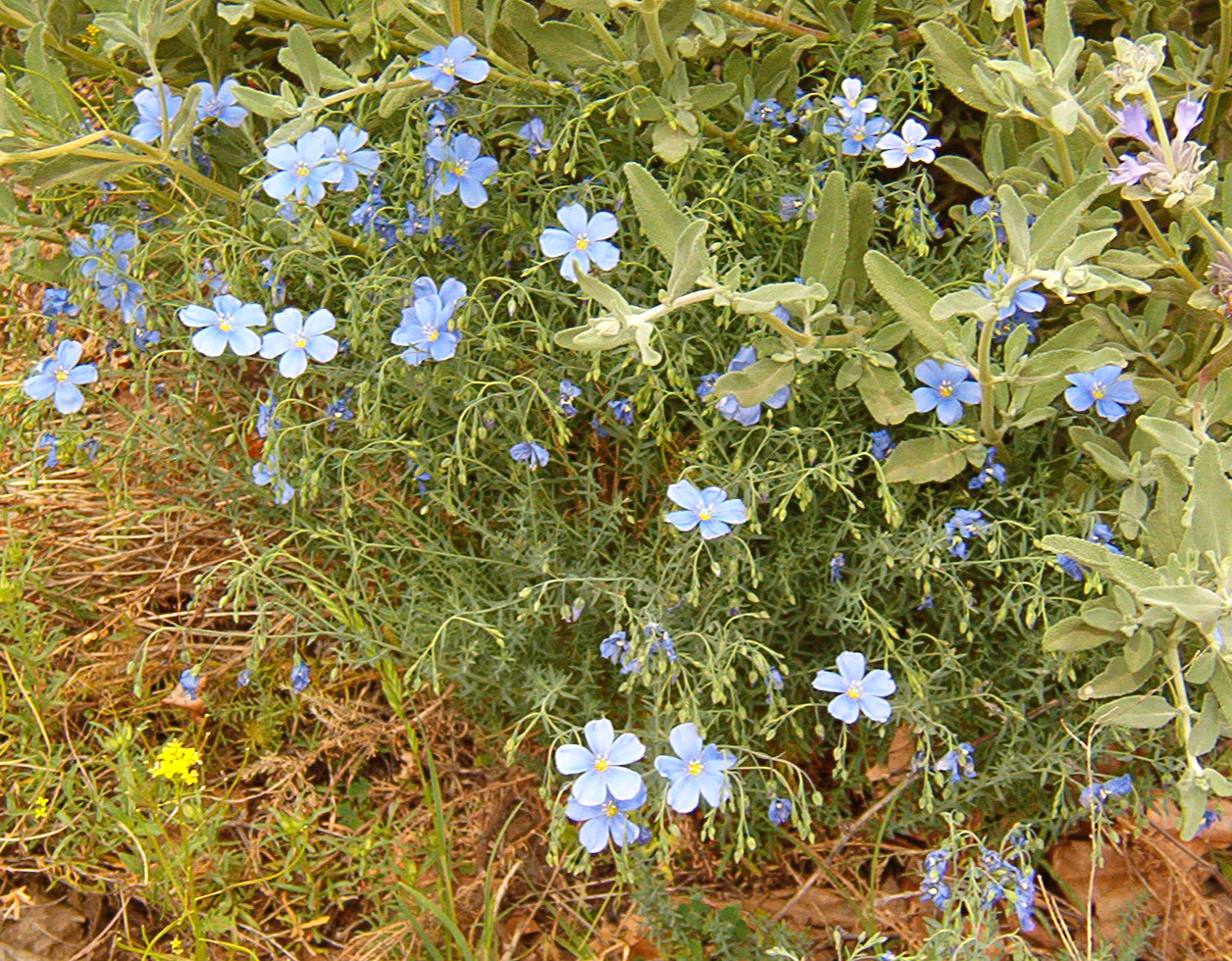
Where could a victimized-prey hide to escape? Under the blue flax and sage bush?
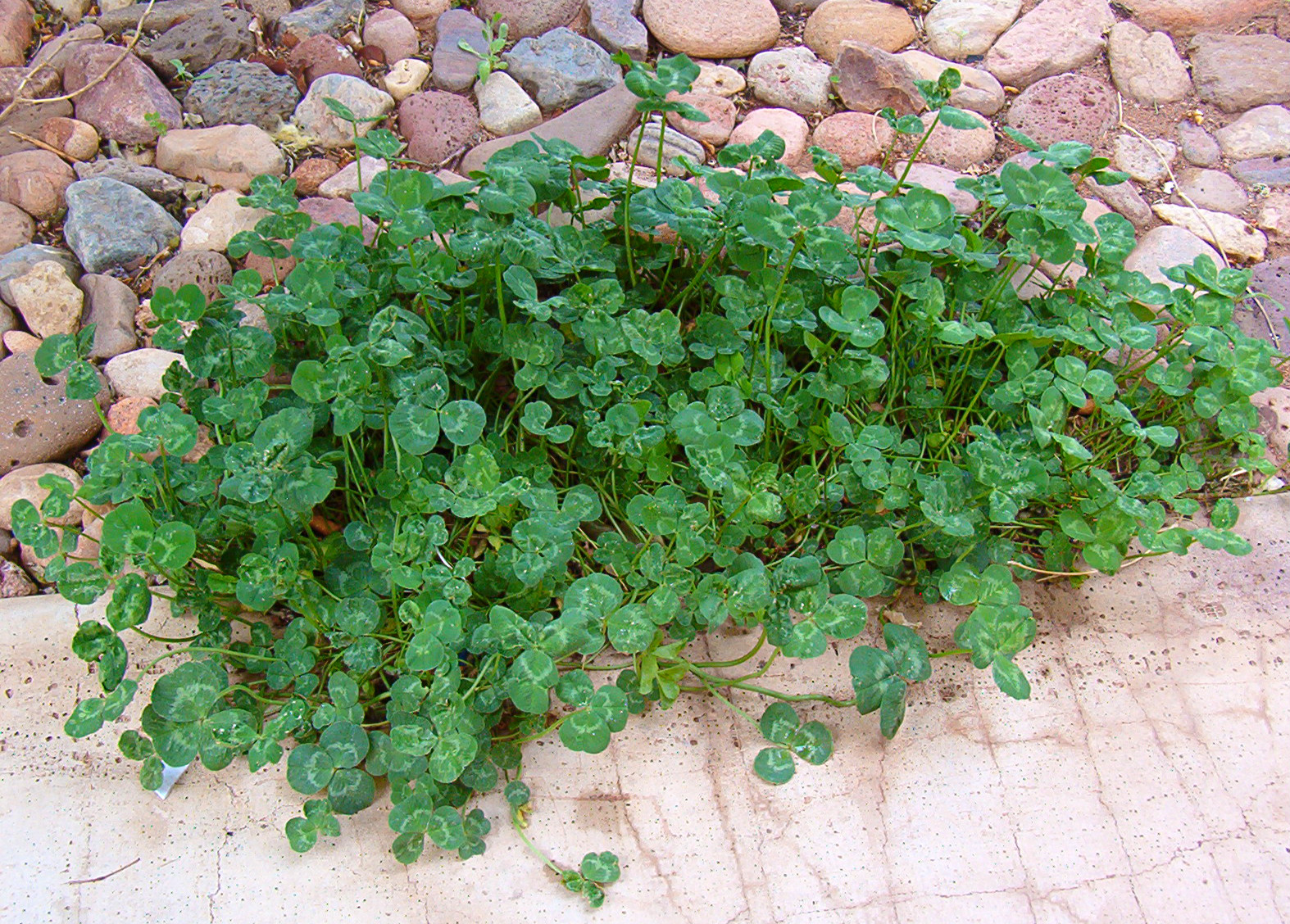
Is there a tiny little self tucked into hiding within the clover?
Under the poppies among the petunias? Is this a safe place to hide for survival?
Where is it safe for an abused and traumatized mouse -- or infant-child -- to hide?
Is it safe enough to stay alive under the newly blooming rose bush?
When I finally turned away from the trauma drama, the little mouse had hidden itself here among the tiny pansies.
The mouse was hiding in here last I saw of it. Each of these hiding places can be thought of as a momentary segment of the mouse's endangered life -- like victimized tiny children forming their abilities to remember their self in their life -- the separate events are just that -- dissociated experiences linked together only by one thing: Ongoing experiences of individual events of enduring and surviving trauma. Meanwhile, the SELF remains hidden unless we can contact and connect with 'self' within its own world

+++++++++++++++++++++++

+INFANT-CHILD TRAUMA CHANGES THE VAGUS NERVE’S DEVELOPMENT

+++++++++++++++++++

If a shark ate my legs off, how well would I run?

In a “born to be good” fairy tale world such as the one I continue to read about in Dr. Dacher Keltner’s chapter on compassion (from his book Born to Be Good: The Science of a Meaningful Life), I wouldn’t have to have the image within my mind that I do, and I sure wouldn’t have to write about it.  But I cannot continue to read Keltner’s chapter on compassion without first stopping to pick up the pieces of broken tales that Keltner can evidently simply ignore and omit from his “born to be good” story.

I am imagining infant-childhood to be like the time of life a person is growing a body-brain in a sea of experience that little ones have no power to escape from or to change.  Eventually, as time goes on and as one grows up, they get to either swim to the shore or get washed up on the beach of adulthood where they will live the rest of their adult lives.

Keltner suggests that all are given equal opportunity in this sea of childhood to grow into their “born to be good” body as if it is some entitled right that everyone shares as members of the human species.  I beg to differ, and when I say this I mean, “I REALLY BEG TO DIFFER!”

As Keltner continues his writing about the vagal nerve system and its connection to the good life of well-being, he cites research that shows that people with a good resting vagal tone seem to experience more joy in life, are more prone to experiencing life events in positive, growth enhancing ways, have more friends, more close connections to others, and can share easily in compassionate, altruistic exchanges with people around them.

Keltner calls such people with the better resting vagal nerve tone “Vagal Superstars.”  He counters the image of these ‘superior’ humans with the limitations faced beginning in early childhood by those that are ‘born shy’ as he states about these differences:

That fearful 4 month old [shy babies – implied connection between high anxiety and low resting vagal tone], startled and distressed at the presence of a new toy, fight or flight physiology throbbing in the veins and throughout the body, is likely to lead a life of restraint, inhibition, and hesitation in the fact of intimacy.

“If the vagus nerve is a caretaking organ, then one would expect individuals with elevated vagus nerve activity to enjoy rich networks of social connection, to show highly responsive caretaking behavior, and for compassion to be at the center of their emotional lives.  New studies are finding this to be the case.”  (page 241)

++++

Nowhere in his chapter on compassion does Keltner make any mention of the fact that the resting state of the vagus nerve bundle, as well as its ongoing operation, can be directly shaped, influenced and changed by early infant-childhood attachment trauma.  Because I KNOW this to be true, I inwardly bristle when I read Keltner’s following words:

Elevated vagus nerve activity, then, orients the individual to a life of greater warmth and social connection.  Nancy Eisenberg has found that seven- and eight-year-olds with a higher resting vagal tone are more helpful in class, more sympathetic to those in need, more pro-social toward their friends, and experience more positive emotions.  College students with higher resting vagal tone are better able to cope with the stresses of college – exam periods, career choices, the vicissitudes of romantic life.  Following the loss of a married partner, people with high resting vagal tone recovered more quickly from the depressive symptoms that often accompany bereavement.  And on the other end of the continuum, people experiencing severe depression, and its accompanying impoverishment of social connection, have been shown to have low resting vagal tone.”  (pages 242-243)

All these words tell me is that some people – who I will never believe to be innately superior beings as I think Keltner’s writings suggest – happen to make it through their body-brain early infant-childhood developmental stages with safe and secure attachments in a benevolent world that DID NOT rob from them the beneficial abilities of a benevolently-formed body-brain, which most certainly and definitely includes a wonderful “higher resting vagal tone.”

What Keltner is really describing here is the way the life of a traumatized infant-child suffers for the duration of their lifetime from the abuse and malevolent treatment they received while their body-brain formed.  Everything about their life is changed as a consequence of the influence of early trauma, maltreatment and abuse.

++++

Going back to my ocean image.  I see Keltner sitting comfortable on some warm, sunny beach in the comfort of his lounge chair, adjustable umbrella overhead, sipping some luscious beverage, clipboard in hand, scribbling his assessment notes as he watches people reach the ocean’s shore.

Some of these people emerge from the ocean of their infant-childhood beaming with joy, smiling, laughing, teasing, and eagerly running off into the future of their abundant life.  Others are washed up onto the shore already dead.  Some have no legs at all, having had them chewed off long ago by vicious sharks that devoured their future abilities while these victims had no possible way to fight them off or to escape.

Do researchers such as Keltner then applaud, reward and congratulate those who were privileged enough, who were advantaged enough, and who were lucky and fortunate enough to emerge from the waters of their early life unscathed by awarding them the label “vagal superstar” while at the same time suggesting that there is something innately wrong and defective with those who could not possibly emerge whole because of the traumas they suffered during their most vulnerable and important growth and developmental stages?

If what I am sensing in Keltner’s writing, and in the perspective of the research he is citing, I would ask, “Where is reality in this picture?  Where is the humble gratitude shown when the gift of a safe and secure, benevolent infant-childhood results in unwounded people being given these wonderful vagus nerve-related stupendously valuable super abilities?  Where is the compassion for suffering others that Keltner so vocally values?”

I see another possible scene on that beach where infant-childhood survivors of terrible malevolent trauma emerge so terribly wounded.  I see every rescue vehicle, every team of rescue personnel imaginable assembled on that beach rushing to assist every victim.  I see those who have emerged from the waters of childhood unhurt being shown how to care for those who make it to the shore injured, suffering and dying.  And I see other good, caring, compassionate, altruistic people entering the water in masses to address what’s happening in those oceans of childhood that is creating this kind of injury in the first place so the wreckage of this carnage can be stopped at its source.

++++

In my version of reality I will point to this kind of research, performed in 2009 in Ontario, Canada:

ABSTRACT:

The experience of child maltreatment is a known risk factor for the development of psychopathology. Structural and functional modifications of neural systems implicated in stress and emotion regulation may provide one mechanism linking early adversity with later outcome.

The authors examined two well-documented biological markers of stress vulnerability [resting frontal electroencephalogram (EEG) asymmetry and cardiac vagal tone] in a group of adolescent females exposed to child maltreatment (n = 38; M age = 14.47) and their age-matched non-maltreated (n = 25; M age = 14.00) peers.

Maltreated females exhibited greater relative right frontal EEG activity and lower cardiac vagal tone than controls over a 6-month period. In addition, frontal EEG asymmetry and cardiac vagal tone remained stable in the maltreated group across the 6 months, suggesting that the neurobiological correlates of maltreatment may not simply reflect dynamic, short-term changes but more long lasting alterations.

The present findings appear to be the first to demonstrate stability of two biologically based stress-vulnerability measures in a maltreated population. Findings are discussed in terms of plasticity within the neural circuits of emotion regulation during the early childhood period and alternative causal models of developmental psychopathology.” © 2009 Wiley Periodicals, Inc. Dev Psychobiol 51: 474-487, 2009

Research Article

Stability of resting frontal electroencephalogram (EEG) asymmetry and cardiac vagal tone in adolescent females exposed to child maltreatment
Vladimir Miskovic , Louis A. Schmidt, Katholiki Georgiades, Michael Boyle , Harriet L. MacMillan

Published in

Developmental Psychobiology

Volume 51 Issue 6, Pages 474 – 487

Published Online: 23 Jul 2009

++++

This research, and other similar research, clearly show that not only is the right brain hemisphere a ‘stress-vulnerability’ area that can be changed in its development by early infant-child maltreatment, but so also is the vagal nerve bundle.

Attachment researchers suggest that between 40 and 65% of adults in our culture came out of their early formative years with a safe and secure attachment-built body-brain-mind-self.  That means that between 35 and 60% of adults DO NOT!  Because the vagal nerve bundle is vulnerable to alteration through the effects of maltreatment, neglect and trauma that happen WITHIN early unsafe and insecure attachment conditions, I can clearly see that Keltner’s work, as enlightening as it is in regard to how a high resting vagal tone operates throughout the lifespan to improve well-being, it is not enlightening in regard to the profound impact that the conditions present in a human being’s earliest years affect the early growth and ongoing operation of this most important ‘be good’ nerve system.

Nor do I yet find in Keltner’s book any suggestions about how people with less than super vagal tone can actually, physiologically improve the operation of this important nerve system.  I will have to search elsewhere for this critically important information.

++++++++++++++++++++++++++++++++++++++++++

+GREAT BOOK ABOUT THE BEST IN HUMANS

+++++++++++++++

My book Born to Be Good: The Science of a Meaningful Life – Paperback (Oct 5, 2009) by Dacher Keltner has arrived.  I am eagerly embarking on its study about what’s best about humans.  My insanely abusive Borderline mother sure didn’t teach me anything about THAT!

Keltner resides in the camp of study about positive human emotions.  Interestingly, researchers could not really study what has always been termed ‘happiness’ equally with the survival emotions such as fear and rage until technology invented photographic equipment that operates as fast as our face moves when we express emotion.

The more survival-based emergency related emotions happen in bigger ways so that we can watch them happen more easily than we can (could) watch expressions related to happiness and well-being.  Just as we needed really FAST photography to accurately be able to watch the visual information transmitted and received between infants and mothers (that build our earliest fundamental brain regions), we also needed it to see what happens when we treat one another well and with kindness.

(For an example of how the extremely rapid fraction-of-a-millisecond mother-infant communication takes place please scroll down to page 22 in Dr. Allan N. Schore’s paper, EFFECTS OF A SECURE ATTACHMENT RELATIONSHIP ON RIGHT BRAIN DEVELOPMENT, AFFECT REGULATION, AND INFANT MENTAL HEALTH)

++++

Humans are born with the capacity to experience emotion.  We simply live them without thinking about what they are, what they mean, or what they are named.  In safe and secure infant-childhood environments we are helped by our caregivers to gradually learn about our emotions as we learn about our self and others in the world.  Eventually we learn what emotions are named and about how to ever more effectively regulate them.

Because this ability to regulate and differentiate emotions happens within our earliest infant-child attachment relationship environment, the process is either assisted or interfered with by our caregivers.  In my own case, as I study Keltner’s book, I doubt I will be able to think about very many instances from my infant-childhood at all where I would have even been allowed to experience the positive emotional states.

I find it interesting that even in the field of vastly expensive scientific research that the differentiation of ‘happiness’ and the study of this state had to wait until technology caught up with our desire and need to better understand the happiness aspect of who we are.

Dr. Keltner is at the cutting-edge of this research.  His study happens because he can use the new lens of sophisticated super-stop action photography to see our human finely tuned happiness communications in the same way that evolution of the lens allowed us to see new aspects of our world through microscopes and telescopes.

++++

Keltner states about the study of happiness in the first chapter of his book:

“The canonical [orthodox] studies of human emotion, studies of the universality of facial expression, of how emotion is registered in the nervous system, how emotion shapes judgment and decision making, had never looked into these states.  The groundbreaking studies of emotion had only examined one state covered by the term “happiness.”  But research is often misled by “ordinary” language, the language we speak rather than the language of scientific theory.  Happiness is a diffuse term.  It masks important distinctions between emotions such as gratitude, awe, contentment, pride, love, compassion and desire – the focus of this book – as well as expressive behaviors such as teasing, touch, and laughter.  This narrow concentration on “happiness” has stunted our scientific understanding of the emotions that move people toward higher jen ratios.  By solely asking, “Am I happy?” we miss out on the many nuances of the meaningful life.

My hope is to shift what goes into the numerator of you jen ration, to bring into sharper focus the millisecond manifestations of human goodness.  I hope that you will see human behavior in a new light, the subtle cues of embarrassment, playful vocalizations, the visceral feelings of compassion, the sense of gratitude in another’s touch to your shoulder, that have been shaped by the seven million years of hominid evolution and that bring the good in others to completion.  In our pursuit of happiness we have lost sight of these essential emotions.  Our everyday conversations about happiness are filled withy references to sensory pleasure – delicious Australian wines, comfortable hotel beds, body tone produced by our exercise regimens.  What is missing is the language and practice of emotions like compassion, gratitude, amusement, and wonder.  My hope is to tilt your jen ratio to what the poet Percy Shelley describes as the great secret of morals:  “the identification of ourselves with the beautiful which exists in thought, action, or person, not our own.”  The key to this quest resides in the study of emotions long ignored by affective science.”  (pages 14-15)

++++

My mother was extremely short on jen, as are all people who outright neglect, abuse and maltreat people – infants and children most included.  My mother’s experiences in her own abusive childhood seemed to completely obliterate any ability she was born with to understand what ‘being good’ was all about.  Certainly it was my experience with her that she was never able to ‘be good’ to me and in fact she did not believe I even had the capacity to ‘be good’ myself.

In fact, my mother projected her own ‘badness’ that she found intolerable inside herself out onto me and proceeded to spend the 18 years of my childhood ‘punishing’ me for being ‘that bad’.  This process was, I believe, entirely connected to abuse in her own childhood as she had been told her ‘badness’ made her unlovable, but if she could only be ‘good enough’ she would be lovable and loved again.  Something became permanently broken in my mother’s early ‘good-bad’ early forming brain, and it made her into a monster.

Knowing this about my Borderline mother makes me very curious about Keltner’s book whose very title —  BORN TO BE GOOD — addresses the underlying conflicts my entire childhood was consumed with:  Evil versus Good versus Evil versus Good……..  Every interaction I had with my mother from the time I was born was in reality a communication from her to me about how essentially and fundamentally un-good and totally evil I was.

The extremes of my mother’s psychosis were so severe that she literally believed I was satan’s child and was not even born as a human being.  I was condemned beyond salvation, though my mother believed through every word and deed she abused me with that she was doing her very super-human best to save me as she battled to accomplish the impossible task of turning me into ‘something good’.

Keltner’s book is about the best in human social interactions.  I want to know more about this because I certainly have vast personal experience about what the worst in human social interactions can be like.  I want to improve my own ‘jen ratio’.  What might this mean?

By first translating the broad term ‘happiness’ into the broader term ‘goodness’, Keltner then describes the kinds of minute human interactions that both communicate goodness and build it into self and others.  The term “jen ratio” is the kingpin of his writing    About jen itself Keltner states:

“…Confucius taught a new way of finding the meaningful life through the cultivation of jen.  A person of jen, Confucius observes, “wishing to establish his own character, also establishes the character of others.”  A person of jen “brings the good things of others to completion and does not bring the bad things of others to completion.”  Jen is felt in that deeply satisfying moment when you bring out the goodness in others.

Jen science is based on its own microscopic observations of things not closely examined before.  Most centrally, it is founded on the study of emotions such as compassion, gratitude, awe, embarrassment, and amusement, emotions that transpire between people, bringing the good in each other to completion.  Jen science has examined new human languages [My note:  New to scientific study, ancient to humans] under its microscope – movements of muscles in the face that signal devotion, patterns of touch that signal appreciation, playful tones of the voice that transforms conflicts.  It brings into focus new substances that we are made of, neurotransmitters as well as regions of our nervous system that promote trust, caring, devotion, forgiveness, and play.  It reveals a new way of thinking about the evolution of human goodness, which requires revision of longstanding assumptions that we are solely wired to maximize desire, to compete, and to be vigilant to what is bad.

“The jen ratio is a lens onto the balance of good and bad in your life.  In the denominator of the jen ratio place recent actions in which someone has brought the bad in others to completion….  Above this, in the numerator of the ratio, tally up the actions that bring the good in others to completion….  As the value of your jen ratio rises, so too does the humanity of your world.

“Think of the jen ratio as a lens through which you might take stock of your attempt at living a meaningful life.”  (pages 3-5)

++++++++++++++++++

I haven’t seen these two words in Keltner’s book yet, hope and enthusiasm, but this is how I feel as I enter into this new journey.  For all my awarenesses about the differences between how my body-brain-mind-self was formed in comparison to others who benefited from having a safe and secure attachment foundation rather than one formed in, by and for trauma, I enthusiastically hope that by understanding how we ALL have a jen ration operating in our lives I can begin to make my own ration better.

I will keep you posted (literally!) about my experiences with the information contained within the pages of Keltner’s BORN TO BE GOOD book I was fortunate to discover!

+++++++++++++++

+EARLY TRAUMA CHANGES HOW WE THINK AND TALK

++++++++++++++++++++++++++++++

When infant-children do not receive what they need NOT TO CHANGE their development in response to early trauma, well, their body-brain-mind-self has no choice but to change!  These changes then have no choice but to appear as altered patterns of being in the world, including patterns of verbal exchange.

This post concerns a posted comment and my reply to it.

+++++++

COMMENT FROM:  Randy Webb, aztraumatherapy.com —  2010/01/08 at 6:58am

TO:  *Chapter 3a Symptoms

I’ve noticed anecdotally that my clients who have reported experiences of trauma seem more likely than others who have not reported trauma to indicate “black and white” and relatively more “rigid” views of religion, definitions of happiness or success and other people’s behavior. Could these be indications of relatively less CNS plasticity and an indication of something getting “frozen” instead of “completing” some cycle of recovery in response to trauma?

+++++++

REPLY:

Your comment and question relate in my mind to my December 28, 2009 post:

+ATTACHMENT – HOW WE ARE WHO WE ARE

While the kinds of thinking you are describing can be reflected in cultural attitudes in the form of biases, prejudices and their resulting stereotypical thinking, because you are specifically noticing them in relation to traumatized people I will suggest that the nature and quality of early attachment experiences might lie at the root of what you are describing.

We are not used to thinking about what people say as being representations of the patterns of communication that exist on the molecular, physiological level of the body, they are.  Our earliest infant-child interactions with our mothering caregivers create us at these fundamental levels, and determine how our genetic potential manifests itself.

These interactions, which signal to our growing and developing body-brain-mind-self the condition of the world as being mostly either safe, secure and benevolent, or as being mostly unsafe, insecure and malevolent, will determine how we receive and process all information from the world around us.  The patterns of signaling communication in our body will eventually show itself both in the quality and nature of the ‘trauma dramas’ we experience for the rest of our lives, and in the patterns of spoken and unspoken communications – including our thoughts – that we use to describe ourselves in relation to the world we live in for the rest of our lives.

++++

The connection you are making in your own thoughts that led to your question are fascinating:   “Could these be indications of relatively less CNS plasticity and an indication of something getting “frozen” instead of “completing” some cycle of recovery in response to trauma?”

If we think about communication patterns in terms of how they were influenced and formed during our earliest developmental stages, CNS plasticity as it connects to how our immune system interpreted the quality of our experience and then signaled all our developmental pathways, yes, you are completely correct.

It becomes essential that we think about people’s traumas in terms of ‘age at first onset’ (see link to 12-28-09 post above).  People, who were formed without severe relational traumas in infancy, have a completely different CNS (including the brain and Autonomic Nervous System (ANS) homeostatic set point.  They formed a ‘trauma centered’ body-brain-mind-self from the beginning which limited and changed the range of possible ‘free choice’ options for response they will have in and to the world.  Their body has taken over for them far more aspects of ‘being alive’ that non-early traumatized people’s body do.

When people seem to be struggling with recovery from adult trauma, the most important first step we need to take in order to most help them is to determine the quality and nature of their earliest attachments during their early growth and development stages.  While birth to age one is the most critical stage, these critical windows of development continue certainly through age 4-6 while a person’s Theory of Mind is forming.

We can listen to adults talk about their lives and begin to hear disturbances in their ability to tell a ‘coherent life story’.  Unresolved trauma will show itself in disturbances in our patterns of processing information on all levels within the body.  The earlier the traumas happened, most certainly before the age of 2, the more an appropriate, flexible, and coherent ability to converse verbally about one’s experiences in their life will be absent.

If early trauma did not build a person’s body-brain-mind-self, the ‘frozen’ interruptions in signaling communication – as they appear as you say in decreased CNS (body) plasticity – can hopefully be overcome.  The more usual approaches to resolving these traumas will allow the ‘lessons’ from the trauma to begin to unfold and take hold – as the hold the unresolved trauma has on a person will lessen its hold over them.

HOWEVER, if trauma built a person’s body-brain-mind-self from the beginning there is no ‘recovery’ to be made in anything like the normal sense of this process.  Because our earliest experiences of attachment form us, these patterns (such as you are describing) are hard wired into us on all levels, including our CNS-brain.

People who suffered what I refer to as Trauma Altered Development are evolutionarily altered people, built in, by and for a malevolent world of deprivation and trauma.  All their communication signals have been adjusted on their most fundamental levels in response to this kind of a world.  All later traumas they may experience will be processed by their trauma altered body-brain.  These people are most likely not to be able to respond with the ‘plasticity’ or resiliency that non-early traumatized people can.

++++

If infant development has been sent of course through early relational deprivation and trauma, the later stages leading to a plastic, flexible, adaptive, resilient and accurate Theory of Mind will not occur correctly.  Early trauma will show itself in patterns of behavior for these survivors, including thought and verbal communication, for the rest of their lives.

Treating trauma effectively in these survivors requires a detailed understanding about how trauma altered all aspects of their development from their beginning.  They have altered patterns of attachment to the world, to their own self, and to everyone else.  These physiological alterations have been permanently set into place.  They receive different information from the world in different ways and process this information differently.

I would say that while healing trauma in these survivors IS POSSIBLE, ‘recovery’ in the usual sense is not.  The trauma-changed body has no pre-trauma state to return to.  Their healing can utilize all the resilient powers of plasticity contained in the trauma changed body-brain, but these powers have to operate according to how a survivor was formed from their start.  Recognizing early trauma changes through the attachment signaling patterns they create is the first step.

++++++++++++++++++++++++++++++

+SILENCE. TURN AROUND AND WALK AWAY?

+++++++++++++++++++++++++++++

I cannot imagine anyone WANTING to write about or talk about child abuse.  Why spoil a perfectly gorgeous day by even thinking about that so dark side of life, especially when those days lie so far back hidden in the dim and distant past?

Why no simply enjoy, if not cherish, everything that seems so good and right in one’s present moment?

If nobody wants to speak or write about those days and nights of misery, those months, those years of abuse and torture — so the silence can continue without words — can each of us forget equally?  Both those of us who have endured abuse equally with those who have not?

Who will tell those stories?  “I don’t want to,” people say.  So they don’t.  “What’s the point of it?”

Today I join those people who have to still admit we don’t know the point of it.  I don’t know the good of it.

Turn around and walk away?

+++++++++

What matters?

From service dog to SURFice dog…

turning disappointment into a joyful new direction

+++++++++++++++++++++++++++++

+ATTACHMENT – HOW WE ARE WHO WE ARE

++++

Trying to understand the research and literature on secure and insecure attachment patterns seems to me to be a bit like this image:

Picture a cold winter day.  Someone comes out of their house, shuffles through the snow to a wood pile, brushes a pile of snow off of a corner of the tarp that covers it, pulls the cover back and begins to pile stove size logs into their arm.  They pull the tarp back over the pile, return to their house, and go through the process of adding the wood into a fire.  All is well, warmth is achieved, and life goes on.

When attachment specialists write about attachment styles and patterns they divide their thinking in half.  Half talk about how attachment can be ‘measured’ for infants at about a year of age.  The other half talk about attachment styles and patterns in parents as they relate to their infants that created the attachment styles and patterns one can measure in the infants.

I have found no clear description about how the birth to age one experience an infant has with its earliest caregivers BUILDS its age-one attachment pattern that continues through to create the attachment patterns it has in adulthood.  The topic of attachment is chopped into pieces just like a tree needs to be if its pieces are going to fit into a stove.

Going back to the image I just presented of the woodpile as it might relate to the study of attachment.  To get the WHOLE picture we would have to include a lot more information.  Where did the seed come from that grew into the tree that eventually found itself in pieces heading into a wood stove or a fireplace?  What were all the steps that had to happen for the seed to find itself into the ground, for it to crack open into life, grow into a sapling, into a tree big enough to use for firewood?  What was the process that went on as someone found the tree, cut it down, hauled it home, chopped it up, and made a covered pile of firewood?

Where do we turn for the whole story about human attachment from conception to death?

++++

Dr. Daniel J. Siegel has written what is, I believe, the only book that approaches parenting from an attachment point of view:  Parenting From the Inside Out by Daniel Siegel and Mary Hartzell.  Please read this book for a fuller understanding of what I am going to write about today.

Today I scanned in 13 pages for your study taken from another of Siegel’s books, The Developing Mind: How Relationships and the Brain Interact to Shape Who We Are (The Guilford Press, 1999)) — available for purchase by clicking on the title link –

These pages can be seen at this link:

**Siegel – Attachment Measurement (kid and adult)

++++++++++++++

As critically important as this attachment information is, I still think it is dense, complicated, hard to read, hard to understand, and hard to relate to anyone’s ongoing experience of their life with others and with their own self.

Because these early attachment experiences actually build the foundation of the human social-emotional brain (and direct the development of the body), it is critical to understand that the attachment patterns that can be ‘measured’ at age one happened one tiny step after another from birth.  The same patterns that can be seen in a one year old continue to operate for a life time – because they built the body-brain-mind-self of the person from the start.

++++

All the specialized fields of research are themselves each like a single piece of firewood cut from a whole tree.  The fields of study examine and report on their little piece of the tree, but nobody seems willing or able to put the whole picture together and look at the whole.

Attachment, in my thinking is the whole tree from which all other aspects of being human connect to and originate from.  Every single other facet of study concerning ‘the human condition’ stems from this tree.

Nowhere along the line of a lifetime, from conception to death, can attachment be ‘simply’ considered to be like the pile of firewood under the tarp.  Human attachment is about the entire process of the journey of each of us – like the firewood — from seed to ashes.  And just as the entire journey of our proverbial tree was influenced by the conditions within its environment from start to finish, so too are we.

++++

In yesterday’s post I laid out which of all the horses related to the betterment of the human condition I would lay my money on.  Coming to understand the attachment continuum of our lifetime – what it is, how it operates, how it determines the manifestation of our genetic potential, how it directs the building of our body-brain-mind-self’s foundation, how it affects our relationship with our own self, with others of our species, and with the entire environment we live and die within – is, in my belief, the most important conscious learning we can ever pursue and accomplish.

Improving our ability to experience safe and secure attachment will improve the quality of our life.  Finding ways to overcome whatever our degrees of unsafe and insecure attachment will be the most effective tool we can have to improve our degree of well-being within our own self and within the world we live in.

Yet where in the fragmented, disjointed, cut-into-tiny-pieces world of academic information can we look for the attachment-related facts we need to improve our lives?

Sadly I would have to say – nowhere.

Siegel’s book on parenting (link above) is probably the most complete effort anyone has accomplished to help us understand how our adult attachment patterns affect us as parents.  His work cannot possibly be comprehensive in my thinking (give us a picture of the whole of the living tree) for several reasons.

First of all, as you will notice if you follow the link to the 13 scanned pages, the terms used to describe attachment patterns seen in infants does not match the terms used to describe attachment patterns in adults.  This fact has made it difficult for me to think about the life continuum of attachment.

Pneumonia is pneumonia, diarrhea is diarrhea, and cancer is cancer no matter what age is of the body that might be suffering from these conditions.  Attachment patterns ARE physiological patterns within the body-brain.  They are not imaginary events that can be arbitrarily called one thing for an infant and something else for an adult.

In addition, as you read the 13 scanned pages you will be learning about the two accepted measurement tools available to measure attachment accurately – one for infants at about a year of age and the other for adults.  Both of these measurement tools are designed for use in a professional research setting.  To my knowledge, no one has ever yet designed accurate assessment (rather than measurement) tools that can be used in public settings to either assess infant or adult attachment patterns.

++++

Most people can read the information about how attachment is measured in infants and think about what we know in our real life about infants and their caregivers.  We can imagine the clinical experience as it happens around us in our lives.  We can begin to use our common sense to make the connection between the information about early mother-infant brain building interactions that Schore describes and the year-old patterns of interactions an infant has with its mother as presented in these 13 scanned pages.

This still does not leave us with any clear idea about how we could translate the clinical measurement tool so anyone could assess infant attachment in the ‘real world’.

Nor does the presentation of information about adult attachment measurement presented in the 13 scanned pages give us any everyday working idea about how we could assess our own adult attachment patterns.  It does not present a means to assessing adult attachment ‘on the streets’ or ‘in the trenches’ so that ordinary people could better come to understand how attachment patterns are affecting all our relationships – everywhere – every day and every night of our lives.

We are left reading the 13 scanned pages and trying to imagine an ordinary context in the same way we might be able to imagine the whole story about how a seed was planted that eventually ended up in firewood pieces giving warmth within someone’s home.

++++++++++++++

This scanned table about adult attachment refers to something called Grice’s maxims.  Here is the clearest description of these maxims, which originated historically in Kant’s philosophy, that I can find:

Grice’s Conversational Maxims

Maxim of Quantity:

1. Make your contribution to the conversation as informative as necessary.
2. Do not make your contribution to the conversation more informative than necessary.
Maxim of Quality:

1. Do not say what you believe to be false.
2. Do not say that for which you lack adequate evidence.
Maxim of Relevance:

Be relevant (i.e., say things related to the current topic of the conversation).
Maxim of Manner:

1. Avoid obscurity of expression.
2. Avoid ambiguity.
3. Be brief (avoid unnecessary wordiness).
4. Be orderly.

These maxims are considered to be reflected within rational ‘cooperative discourse’, and have been incorporated into the rating structure of the Adult Attachment Interview (AAI) used clinically and in research to assess adult attachment.

The AAI is a research tool.  People who administer the interview and rate it must go through specialized training.  This tool’s usefulness even in research is complicated because there are many factors about it that cannot be easily controlled, such as how the environment where the interview is given influences responses, how the person of the interviewer interacts with the ‘subject’, how interviewer’s biases might influence ratings, etc.

If I go back to my wood pile analogy and change the ‘end result’ of a tree’s lifetime into a toothpick or a piece of toilet paper instead of a log of firewood, and then expect us to be able to exactly imagine the entire process accurately that the seed went through to get to its end, we have a more accurate picture of how hard it would be to connect the results of an Adult Attachment Interview back through all the experiences of a person’s life back to their beginnings.  That would be if we even believed that the results of an AAI accurately described an adult’s attachment pattern in the first place.

++++

In the end, the simplest description of what an adult’s insecure attachment pattern might look like ‘on the streets’ or ‘in the trenches’ has to do with having some ability to tell a coherent life story – or not.

If I look at the piece of toilet paper version of how an AAI result might look, I would consider the ‘lowest’ grade of adult attachment that is not even mentioned in the 13 scanned pages.  It is called the ‘Cannot Classify Category’ and looks something like what 1998 research article describes:

Discourse, memory, and the adult attachment interview: A note with emphasis on the emerging cannot classify category

This brief report focuses on the emergence of a new Adult Attachment Interview (AAI) category, Cannot Classify. The Adult Attachment Interview classification system is discussed with emphasis upon differences in AAI categories as they relate to strategies or lapses in strategy for the integration and focus of attention and memory. The Cannot Classify category is understood to differ from the other AAI categories in that it appears to represent a global breakdown in the organization and maintenance of a singular strategy for adhering to the discourse tasks of the AAI.”

++

strategies or lapses in strategy for the integration and focus of attention and memory

This is what the researchers are looking for when they try to pin down what varying styles of adult attachment patterns look like.  That doesn’t give the rest of us much to go by in terms of learning about our adult attachment patterns, does it?

The fascinating point is that right within the few words of that sentence lies the heart of our concerns – TRAUMA.  What happened, when it happened, how it happened, what strategies either did or did not exist to integrate the experience of trauma, how these trauma experiences influenced and were influenced by attention and memory processes are all connected to attachment patterns.

++++

Attachment patterns are patterns of dealing with trauma.  If trauma built the early brain in the first place, these patterns show up in infant insecure attachment patterns such as the 13 scanned pages describe.  If trauma built the early brain, the same trauma-formed patterns continue into adulthood and manifest themselves in the disruptions of conversation about one’s self in one’s life that the AAI is designed to define.

Because our concern is with ‘trauma dramas’ that repeat themselves throughout a person’s lifetime, it is essential that we recognize what we are looking FOR as we find it in what we are looking AT.  We are looking for early infant-caregiver traumatic interactions (or their absence in safe and secure attachment) that built social-emotional brain in the first place because that is where the seed of who we are as a body-brain-mind-self originated.  We can tell the trauma was there at the beginning and that it influenced all later development if an insecure attachment pattern exists – in infant-children and in adults.

++++

So, if I disappoint my readers my not being able to clearly describe what adult attachment IS, let alone how it operates, how we identify the patterns, or how we change them, I hope you will be patient.  I might as well take what I have on hand and go into my back yard thinking I can build myself a space shuttle that actually works.

Humans had the capacity to figure out how to fly to the moon long before we did so.  We have the capacity to find a way to clearly assess human attachment, but we haven’t done so yet.  Because most of what goes wrong in human lives can be traced to the quality of attachment that formed the brain foundation and lies at the root of all of our social interactions – including the one we have with our own self – I believe this field of study should become the single most important one we pursue.

I have faith in US.  WE can figure this out – if and when we want to.  After all, as members of a social species our attachment patterns determine WHO we are in the world because they determine HOW we are in the world.

+++++++++++++++++++++++++++++++++++++++++++++++++++++

+TRAGEDIES OF CHILD ABUSE REFLECTED IN STORIES

++++

Something related to my abusive childhood experiences with Christmas stands out so clearly and powerfully I am not going to ignore it.  I can’t put bows or shiny tinsel or colored lights on this post to pretty it up.  I can only present what I know.

I have already written a holiday season post presented on December 8, 2009 – +CONSUMERS BEWARE OF TRAUMA TRIGGERS LURKING IN ‘HOLIDAY SEASON MAGIC’.  I would rather not write another one, but tonight is Christmas Eve, and in America it is hard to escape from the reality that the holiday season is often a complicated one for abuse survivors of any age.

How well does our internal experience of the holiday season match what we see mirrored back to us about what we think the holidays are SUPPOSED to be like?  How closely does our personal experience match other people’s?  How much mirroring and ‘reflecting back and forth’ actually goes between ourselves, our own reality, and the social environment we are immersed within?

How might our early infant-child experiences of maltreatment be influenced by our mirror neuron system?

++++

Much has been written in recent years about our brain’s mirror neurons which allow our brain to fire parallel patterns in the motor areas of our brain as the one’s that are firing in the brain of somebody we are watching perform an action.  Whether or not these mirror neurons operate in regard to empathy or not is still open to neuroscientific debate.

Do our mirror neurons allow us to predict the actions of others?  Are mirror neurons a part of what allows us to form a Theory of Mind because they help us to understand other people?  How do they operate in allowing us to learn actions that better facilitate our existence in the world?  How might mirror neurons interact with our ability to understand gestures and body movements as a part of human language and signaling communication?

We know that the patterns of signaling communication between a very young infant and its earliest mothering caregiver create the circuits, pathways and patterns of development within the human emotional-social limbic brain.  These patterns of communication are supposed to operate through a mutual reflective, attuned, mirroring process.  Trauma interrupts the optimal development of this early forming brain as it communicates a need to change development to match conditions in a malevolent world.

An infant-child’s experiences within an abusive, neglectful, malevolent world do not magically skip the holiday season even if and when, as happened in my childhood home, an infant-child’s parents PRETEND the holidays are a safe, secure, happy and wonderful time.  Patterns of trauma that built our body-brain in early malevolent conditions do not magically disappear from our adult body during the holiday season, either.

Trying to match ourselves to a HAPPY holiday reality that we see reflected within our culture and mirrored back to us can create an incongruous, dissociated experience.

++++

Song, music, story, dramatic expression, dance, movement, gestures, active story telling and eventually written literature and film carries power to invoke imagination through a sharing of experience between human beings.  Our mirror neuron system is involved in how we process information contained in these forms of expression.

As members of a social species, we respond to patterns that resonate with our own experience either because we can recognize ourselves within the messages being communicated, or because we have an active imaginal interaction with them.

I bring this up today because I am going to share with you a story that moved me as a young extremely abused child.  I didn’t read the story in print.  I watched the movie version.  Looking back, I now understand that my 6, 7, 8, 9-year-old experiences with this movie was not a ‘normal’ one.  I loved the story because it was the first time I ever saw my own inner experience as a child clearly and accurately mirrored and reflected back to me in the fullest possible way.

Of course as a child watching this movie on television I did not know that it was speaking back to me the reality of my own heart, mind and life.  I was simply mesmerized because I was involved with the story as if it was happening inside of me rather than on the outside.

I resonated with the story.  It and I were in harmony as if we were telling this story together as two people might sing a song together, perfectly matched either note for note or harmonizing together perfectly.  It was this TOGETHER-WITH feeling that I had never experienced before that tells me now that only in this movie did I experience a sharing of the emotions that had formed and filled my body-brain-mind-self from the time of my birth.

The little girl character in this story matched me.  I knew there was some matching between my experience and that portrayed in Cinderella, for example.  But I also knew inside the marrow of my bones that I did not match any chance of a happy ending like Cinderella had.  My story could only match one with a different kind of ending, and this story I am including the text of today more closely matched what might be my kind of happy ending.

+++++++++++++++++

The Little Match Girl (or The Little Match-Seller)

Hans Christian Andersen wrote “The Little Match Girl” (Danish: Den Lille Pige med Svovlstikkerne, meaning “The little girl with the sulphur sticks”).  The story was first published in 1845 and has been adapted to various media including animated film, and a television musical.

I don’t remember which movie version of the story I saw on television as I watched it over repeated holiday seasons of my young childhood.  Here is the text of the story.

The Little Match-Seller

Most terribly cold it was; it snowed, and was nearly quite dark, and evening– the last evening of the year. In this cold and darkness there went along the street a poor little girl, bareheaded, and with naked feet. When she left home she had slippers on, it is true; but what was the good of that? They were very large slippers, which her mother had hitherto worn; so large were they; and the poor little thing lost them as she scuffled away across the street, because of two carriages that rolled by dreadfully fast.

One slipper was nowhere to be found; the other had been laid hold of by an urchin, and off he ran with it; he thought it would do capitally for a cradle when he some day or other should have children himself. So the little maiden walked on with her tiny naked feet, that were quite red and blue from cold. She carried a quantity of matches in an old apron, and she held a bundle of them in her hand. Nobody had bought anything of her the whole livelong day; no one had given her a single farthing.

She crept along trembling with cold and hunger–a very picture of sorrow, the poor little thing!

The flakes of snow covered her long fair hair, which fell in beautiful curls around her neck; but of that, of course, she never once now thought. From all the windows the candles were gleaming, and it smelt so deliciously of roast goose, for you know it was New Year’s Eve; yes, of that she thought.

In a corner formed by two houses, of which one advanced more than the other, she seated herself down and cowered together. Her little feet she had drawn close up to her, but she grew colder and colder, and to go home she did not venture, for she had not sold any matches and could not bring a farthing of money: from her father she would certainly get blows, and at home it was cold too, for above her she had only the roof, through which the wind whistled, even though the largest cracks were stopped up with straw and rags.

Her little hands were almost numbed with cold. Oh! a match might afford her a world of comfort, if she only dared take a single one out of the bundle, draw it against the wall, and warm her fingers by it. She drew one out. “Rischt!” how it blazed, how it burnt! It was a warm, bright flame, like a candle, as she held her hands over it: it was a wonderful light. It seemed really to the little maiden as though she were sitting before a large iron stove, with burnished brass feet and a brass ornament at top. The fire burned with such blessed influence; it warmed so delightfully. The little girl had already stretched out her feet to warm them too; but–the small flame went out, the stove vanished: she had only the remains of the burnt-out match in her hand.

She rubbed another against the wall: it burned brightly, and where the light fell on the wall, there the wall became transparent like a veil, so that she could see into the room. On the table was spread a snow-white tablecloth; upon it was a splendid porcelain service, and the roast goose was steaming famously with its stuffing of apple and dried plums. And what was still more capital to behold was, the goose hopped down from the dish, reeled about on the floor with knife and fork in its breast, till it came up to the poor little girl; when–the match went out and nothing but the thick, cold, damp wall was left behind. She lighted another match. Now there she was sitting under the most magnificent Christmas tree: it was still larger, and more decorated than the one which she had seen through the glass door in the rich merchant’s house.

Thousands of lights were burning on the green branches, and gaily-colored pictures, such as she had seen in the shop-windows, looked down upon her. The little maiden stretched out her hands towards them when–the match went out. The lights of the Christmas tree rose higher and higher, she saw them now as stars in heaven; one fell down and formed a long trail of fire.

“Someone is just dead!” said the little girl; for her old grandmother, the only person who had loved her, and who was now no more, had told her, that when a star falls, a soul ascends to God.

She drew another match against the wall: it was again light, and in the lustre there stood the old grandmother, so bright and radiant, so mild, and with such an expression of love.

“Grandmother!” cried the little one. “Oh, take me with you! You go away when the match burns out; you vanish like the warm stove, like the delicious roast goose, and like the magnificent Christmas tree!” And she rubbed the whole bundle of matches quickly against the wall, for she wanted to be quite sure of keeping her grandmother near her. And the matches gave such a brilliant light that it was brighter than at noon-day: never formerly had the grandmother been so beautiful and so tall. She took the little maiden, on her arm, and both flew in brightness and in joy so high, so very high, and then above was neither cold, nor hunger, nor anxiety–they were with God.

But in the corner, at the cold hour of dawn, sat the poor girl, with rosy cheeks and with a smiling mouth, leaning against the wall–frozen to death on the last evening of the old year. Stiff and stark sat the child there with her matches, of which one bundle had been burnt. “She wanted to warm herself,” people said. No one had the slightest suspicion of what beautiful things she had seen; no one even dreamed of the splendor in which, with her grandmother she had entered on the joys of a new year .

Literature Network » Hans Christian Andersen » The Little Match Girl

This translation posted on The Literature Network

+++++++++++++++++++

I can say what a terribly sad state of affairs it was that watching this story made me feel warm inside, and this is true.  I can also say what a miracle it was that I was exposed to an art form that allowed me to experience what it felt like to have my inner experience matched and mirrored back to me.  I finally felt that majestic feeling of mutual resonance that allowed me to know that someone out there knew my reality.

Although I wasn’t literally freezing or starving to death physically as a child, my world was that cold on the inside.  I knew what it felt like to be beaten.  I knew what it felt like to be alone.  I knew what it felt like to be unloved.  But I had no words for my own experience.  I did not even have the ability to think about my own experience or about my own feelings as I experienced my experiences.  All I could do was endure.

I had lost the only person who ever loved me when we left my grandmother behind in Los Angles the year I turned six when we moved to Alaska.

Did I empathize with the little match girl or did I simply completely know with the entirety of my being what her experience was?  I think what mattered to me most was that I knew that little match girl would know completely how I felt.  On a very deep unconscious level I knew that this little match girl was having my feelings.  I watched her have them in this story.

Is this experience what empathy is all about?  How starved I was for affection.  How starved I was for warmth and love.  How starved I was for understanding.  How fundamentally starved I was for a mutual experience of sharing my inner reality with any other single person in the universe.

How including rather than excluding is the human experience that I could feel this understood and connected to a century old story portrayed by an actress showing through the hard cold screen of a television set?

Others might have the luxury of being able to feel compassion for the girl in this story.  I certainly didn’t.  Others might pity her.  How many would experience harmonious, resonating empathy WITH her?

I never pitied myself as a child.  I did not experience anger or resentment.  I had no fight left in me because my mother had put the full force of her considerably powerful and successful efforts into obliterating any trace of Linda from my existence.  But she could not touch the warmth inside of me I felt watching that movie as the power it had to touch me reached out of that television like the light of that little girl’s shooting star.

I had no ability to imagine my life as being different or better.  I did not know how overwhelmingly sad I was.  I only felt the great sorrow of knowing that I could not die and be with my grandmother like this girl in the movie got to do.  I knew I couldn’t have this same happy ending to my story because my grandmother wasn’t dead yet.

++++

Before we moved to Alaska I had the opportunity to experience a little bit of an attachment relationship with my grandmother, but my mother was able to interfere with and mostly completely prevent my grandmother from having contact with me.  This experience of ‘feeling felt’ is SUPPOSED to build our early-forming emotional-social right limbic brain:

The feeling of being felt

In The Developing Mind, Daniel J. Siegel uses the phrase “the feeling of being felt” to describe relationships that shape the mental circuits responsible for memory, emotion, and self-awareness. Brain-altering communication is triggered by deeply felt emotions that register in facial expressions, eye contact, touch, posture, movements, pace and timing, intensity, and tone of voice.”

Looking back I believe that being able to watch this movie changed my life.  It created for me one of the few times in the 18 years of my infant-childhood that I clearly experienced the feeling of ‘feeling felt’.  This is a critically important experience for us to have as members of a social species.  It involves looking out into our social world and seeing in other people our own experience mirrored back to us.

In today’s world of sanitized and ‘prettified’ young children’s stories, even to the outright fabrication of happy endings for stories like Andersen’s and the other old fairy tales, I would have been deprived of even having this single most significant self-building experience of being able to see my own reality mirrored back to me from the social human world outside of me.

I might wish to believe that infant-children are no longer suffering in the kinds of childhoods I had, that their lives have been sanitized and prettified right along with the stories they have access to through the media including books.  But I know this is not true.

I am not talking about monsters portrayed in imaginary form.  I am talking about the impact this movie had on me BECAUSE it involved a human girl in a human world with humans that ignored her, mistreated her, did not help her, and let her die.  HUMANS do this to HUMAN children, and we cannot pretend that they don’t simply because we have changed and banned the stories that might let these children see their own reality mirrored back to them so that they can have the feeling of ‘feeling felt’ which will be the most important experience humans can ever have.

It is only through having this experience of ‘feeling felt’ that we can ever truly know that we exist at all as an individual self, and that we are not here in this world fundamentally isolated and alone.  It is this feeling that lies at the heart of safe and secure attachment.  It is this feeling that is supposed to be at the basis of our early forming social-emotional brain and that directs our development toward life in a benevolent.   When it is missing in a malevolent world our development changes to help us survive.

++++

There is one other aspect of our humanity that I want to mention here.  There are times when we cannot use a mirroring, reflecting empathy process with someone else.  There are times when we cannot truly give back to someone else that feeling for them that they are being truly felt by us.  There are times when we reach a line we cannot cross in our own ability to feel what another person is feeling.

When we reach this line we cannot fake it.  It is at these times when we cannot share with another person our feelings that need to be shared — so that they can experience that we truly feel what they are feeling — we have something else to give them.  That something else is compassion.  Not pity, not sympathy, but a compassion that means we are WITH that other person with a genuine concern for their well-being that lets us both know we are not alone.

According to Dr. Dacher Keltner, there is an additional aspect to compassion that makes it different from empathy.  He states in his article, The Evolution of Compassion:

Compassion has a biological basis in the brain and body. It can be communicated in the face and with touch. And when experienced, compassion overwhelms selfish concerns, and motivates altruistic behavior.

As children, both the imaginary little match girl and me needed NOT to be left alone in a malevolent world.  We needed someone not only to empathize with our feelings; we needed someone to DO something to help us.  I never even knew as a child that I had this need.  Someone on the outside of my world needed to care enough to not only tell me I needed help, but to show me by actually caring enough to help me.

There never was anything about Christmas, or about any other holiday of my childhood that made this fact less true.  When I mirror back to myself my own memories of the holidays of my childhood, the memory of myself seeing myself reflected back to myself in the story of The Little Match Girl always stands out in stark contrast to all the phony, fake efforts at holiday cheer my abusive mother created in her pretend version of reality.

++++++++++++++++++++++++++++++++

Don’t forget to check out — Brain Facts – A primer on the brain and nervous system

++++

— NEW:  CLICK ON POST, PAGE AND/OR COMMENT TITLE

AND LOOK FOR ‘YOU RATE IT’ STARS AT BOTTOM OF PAGE —

Please feel free to comment directly at the end of this post or on

+++++++

Your Page – Readers’ Responses

+++++++++++++++++++++++++

+CALM THE CRYING BABY — IMMUNE SYSTEM STIMULATES VAGUS NERVE TRAUMA ALTERED DEVELOPMENT

+++++++++++++

I have been in HOT pursuit of an idea all day.  This thought has lingered inside of me for 4 years in a ‘body knowing’ place because of what I know as a survivor of severe abuse and malevolent treatment from birth until I left home at 18.

In order for this idea to be given form I need to link it to other people’s related thoughts, and many of these ideas are only recently appearing as science races into a new place of truth about what it means to be a human — and how we develop in interaction with our environment from out conception.

I am not a scientist.  Even if I come up with a theory, and develop an hypothesis, I cannot create or perform research to either prove or disprove my ideas.  So, I have to use the interactive thinking the web provides and see what I can come up with.

And I found something very exciting – but I could not find it until I included the words ‘fish’ and ‘evolution’ into my search on the ‘vagus nerve’ and ‘the immune response’.

It has been my thinking that there has to be a point within the body — and within the body of a developing infant-child exactly ‘where the fire meets the gunpowder’.  A tiny person is powerless to stop trauma that happens to it from outside of its body.  It is therefore forced to try to stop the trauma ON ITS INSIDES.

This STOP action is the job of the vagus nerve as it controls the parasympathetic STOP arm of our Autonomic Nervous System and interacts with our immune system.  Right at this point where the developing body has to try to STOP the force of the impact of trauma ON ITS INSIDES is where Trauma Altered Development is forced to kick in.

It is RIGHT here, at this present moment in time where I cannot think into the future and must patiently await for science to confirm what I know is true – that RIGHT here where the fire meets the gunpowder, where a developing infant-child has to adapt within a malevolent environment and alter who it is becoming that EPIGENTIC forces that interfere with normal development by altering the immune system-vagus nerve-Autonomic Nervous System and brain interactions in preparation for survival within a toxic, malevolent unsafe and insecure attachment environment come into play.  The research proving this point is coming, but it is not entirely here yet.

This, I believe, is where and how what Dr. Martin Teicher calls evolutionarily altered development happens.  When a tiny growing body cannot STOP the ongoing affects of trauma happening to it from outside its body, the STOPPING happens on the inside.

This form of Stop the Storm of the impact of trauma — within a developing little body — causes things to happen like what happened to change my mother into the monster she became.  She could not afford to experience the suffering deprivation-trauma caused her so her body found a way to STOP it.

++++

My idea goes back to the very beginnings of how severe abuse and neglect in a malevolent environment force a newborn to begin to alter its development in adaptation to the deprivation-traumas that surround and impact it.

Thinking about how a tiny little body has so much work to do to grow its Central Nervous System including its brain, and about how its Autonomic Nervous System is able to at least control its heart rate and breathing from birth, knowing that an infant’s immune system is already in operation, I think about how all these developing processes interconnect.

I believe that it is the job of the immune system to protect and defend us within our environment.  I therefore suspect that it is our immune system that responds to the toxins in our environment – and if our earliest caregivers actually maltreat us and are themselves toxins in our early world, then our immune system must respond accordingly.

In this response to threat, to trauma, all our development is changed.  I suspect that there is an intersection within us where our immune system affects our Autonomic Nervous System (ANS).  The vagus nerves are intimately connected with the parasympathetic STOP arm of our ANS.  (I have collected pages of information and active links today on the subject.)

I think about how development altered through trauma ends up often making people into such changed people that their lives become very difficult in adulthood, both for themselves and for those around them.  I think about my mother’s birthday post I wrote for her last night, and I think about how compassionate would be the opposite of the way she turned out.

++++

I have spent the best part of this day searching for information I read online a few years back about how information transmitted through the vagus nerve reaches male brains differently than it does female’s.  I remember reading that men receive the information from one branch of the nerve – the left one – only while women receive information into both sides of their brains through both branches of the vagus nerve at the same time.

I combed through every gender and the brain link I presented last Sunday, and found nothing about this!  So I have been on the hunt, in pursuit, ever since.

I just found a fascinating article connecting the vagus nerve to compassion—something that my mother, through her trauma altered early development, did not grow up to possess – compassion.  Something about her adaptation to early deprivation and trauma changed her – and eliminated the possibility of having this experience from her for the rest of her life.

This article 9referenced below) follows exactly my line of expanding thought about how early trauma interacts with our immune system, our developing brain, and impacts our Autonomic Nervous System’s development.  It seems very probable to me that the evolutionarily altered person Dr. Martin Teicher describes due to developmental changes through early exposure to trauma experiences changes related to what this article is describing.

Compassion at the Core of Social Work: A – Florida State University

This article by Dan Orzech contains the following:

THE SEAT OF COMPASSION:

THE VAGUS NERVE?


“… Dacher Keltner, PhD, believes that the seat of compassion may just lie somewhere else: the vagus nerve. Keltner is a professor of psychology at the University of California, Berkeley, and coeditor of Greater Good, a magazine about prosocial behavior such as compassion and forgiveness. For the past several years, he has been examining the novel hypothesis that the vagus nervea bundle of nerves that emerges out of the brain stem and wanders throughout the body, connecting to the lungs, heart, and digestive system, among other areas-is related to prosocial behavior such as caring for others and connecting with other people.

The vagus nerve is considered part of the parasympathetic branch of the autonomic nervous system. That means it’s involved in relaxation and calming the body down-the opposite of the “fight or flight” arousal for which the sympathetic branch of the autonomic nervous system is responsible. Medicine has traditionally focused on the vagus nerve’s role in controlling things such as breathing, heart rate, kidney function, and digestion. But researchers lately have experimented with stimulating the vagus nerve to treat epilepsy as well as drug-resistant cases of clinical depression (see sidebar).

Keltner has been exploring the idea that the vagus nerve-which is unique to mammals-is part of an attachment response. Mammals, he says, “attach to their offspring, and the vagus nerve helps us do that.” Researchers have already found that children with high levels of vagal activity are more resilient, can better handle stress, and get along better with peers than children with lower vagal tone.

In his laboratory; Keltner has found that the level of activity in peoples vagus nerve correlates with how warm and friendly they are to other people. Interestingly it also correlates with how likely they are to report having had a spiritual experience during a six-month follow-up period. And, says Keltner, vagal tone is correlated with how much compassion people feel when they’re presented with slides showing people in distress, such as starving children or people who are wincing or showing a facial expression of suffering. Among other things, Keltner is interested in the implications of these findings for human evolution. “Much of the scientific research so far on emotions,” he says, “has focused on negative emotions like anger, fear, or disgust”-what Keltner calls the “fight or flight” emotions. “We tend to assume,” says Keltner, “that evolution produced just these fight/flight tendencies, but it may have also produced a biologically based tendency to be good to other people and to sacrifice self-interest.

Evolutionary thought is increasingly arising at the position that the defining characteristic of human evolution is our sociality We are constantly cooperating, constantly doing things in interdependent fashion, and constantly embedded in relationships. From an evolutionary perspective, that suggests that we should have a set of emotions that help us do that work.”

MORE:

WATCH THIS VIDEO – HE SAYS WHAT I’VE BEEN LOOKING FOR – THE VAGUS NERVE CONTROLS OUR IMMUNE SYSTEM!!  I believe that it is here that an abused developing infant-child experiences the start of its Trauma Altered Development.


Dacher Keltner in Conversation

43 min – Feb 5, 2009
Why have we evolved positive emotions like gratitude, amusement, awe and compassion? Dacher Keltner, professor of psychology at UC Berkeley
fora.tv/2009/02/05/Dacher_Keltner_in_Conversation

+++++++++++++++

HIS BOOK:

Born to Be Good: The Science of a Meaningful Life by Dacher Keltner

++++

The Evolution of Compassion

Dacher Keltner

University of California, Berkeley

++

Dacher Keltner
Professor
Ph.D., Stanford University

Campus Contact Information
Departmental Area(s): Social/Personality; Change, Plasticity &
Development;
Director: Berkeley Social Interaction Laboratory

Interests: Social/Personality: emotion; social interaction; individual
differences in emotion; conflict and negotiation; culture

+++++++++++++++++++++


Well, this is enough thinking and research for one day!  I am not going on to read the following today!!  It has just always made perfect sense to me that something in a traumatized tiny developing body causes its immune system to respond – and triggers the vast array of changes that we see in severe infant-child abuse survivors.  I believe the answer lies along this track.

What happens to an infant’s physiological development when no one calms the crying baby?

WHAT HAPPENS WHEN PARENTS HIT AND TERRIFY THE BABY?  Immune systems changes to development through interaction with the vagus nerve, that’s what.

++++

Vagal activity, early growth and emotional development – Elsevier

by T Field – 2008 – Cited by 1Related articles
The vagus nerve is a key component in the regulation of the autonomic nervous system and Infant growth and development. Several studies have documented a ….. including the hypothalamic-pituitary–adrenal axis and the immune system

++++

Parental Meta-Emotion Philosophy and the Emotional Life of …

by JM Gottman – 1996 – Cited by 228Related articlesAll 5 versions
nerve. The tonic firing of the vagus nerve slows down many physiological processes, such as the …. a central part of the immune system that is …..

++++

Calm Sleeping Baby – Baby Massage

Relaxation and enhancement of neurological development. Massage provides both stimulation and relaxation for an infant, Massage stimulates a nerve in the brain, known as the vagus nerve. Strengthens the immune system. Massage causes a significant increase is Natural Killer Cell numbers.

++++

Tears – Wikipedia, the free encyclopedia

Strong emotions, such as sorrow or elation, may lead to crying. lysozyme) fight against bacterial infection as a part of the immune system. A newborn infant has insufficient development of nervous control, so s/he “cries without weeping. of the facial nerve causes sufferers to shed tears while eating.

++++

TOUCH IN LABOR AND INFANCY: Clinical Implications

Increases in infants’ vagal activity during massage may lead to an increase As noted earlier, massage has been shown to increase activity of the vagus nerve, As in animal studies, massage has shown immunesystem benefits in humans. autonomic nervous system; a disturbance in the development of sleep-wake

++++

INFANT IN PAIN

Oct 29, 2009 Does your infant suffer from colic? Reflux? Projectile Vomiting? In her book, Molecules of Emotion,8 Dr Candice Pert (a recognized system interference are a hindrance to normal immune system function. Scientists are still discovering exactly how the immune and nerve systems interrelate.

++++

[PDF] Emotion

File Format: PDF/Adobe Acrobat – View as HTML
vagus nerve— a branch of the parasympathetic autonomic nervous system — may be involved in positive …. New research on the immune system suggests a biological …… Handbook of infant development

++++

[PDF] Phylogenetic origins of affective experiences: The neural …

File Format: PDF/Adobe Acrobat – Quick View
by SW Porges – Cited by 3Related articlesAll 3 versions
The healing power of emotion: Affective neuroscience, development ….. how the autonomic nervous system interacts with the immune system, nervous system. The vagus nerve exits the brain stem and has branches …… Porges SW, Doussard-Roosevelt JA, Portales AL, and Greenspan SI (1996) Infant regulation of the

++++

Evolution and Emotions

File Format: Microsoft Powerpoint – View as HTML
Neurological Development and the Limbic System. R-Hemi has closer connections to limbic system than L-Hemi. R-Hemi develops earlier in infancy than L-Hemi. Emotions appear in Stim vagus nerve, slows Heart 1 (H1). ….Effectiveness of the immune system; ability to ward off illness,

++++

The Brain and the Neuro-psycho-immune System – Anne Baring’s Website

When Cannon stimulated the vagus through electrodes implanted in the …. Emotions are in the digestive system, in the immune system, The nervous system consists of the brain and network of nerve cells We remember most the most vivid memories – this was probably of great help in evolutionary development,

++++

Vagus Nerve Is Direct Link From Brain To Immune System

++++

Deep Brain Stimulation … – Blogs – Revolution Health

which explains how the brain and the immune system are interconnected through the vagus nerve. “It turns out that the brain talks directly to the immune

++++

How the Dalai Lama can help you live to 120… « Terryorisms

Oct 5, 2006 … it is the way the immune system responds to the mind. Let me explain. You immune system is controlled by a nerve call the vagus nerve

++++

The Dana Foundation – Seeking the cause of deadly inflammation ….

May 3, 2007 And the vagus nerve story is progressing on multiple fronts, for device development, for understanding classical physiology, meditation, “Look, everybody knows that meditation is good for your immune system.


++++

Breakthrough “Neuro Nutrition” Targets the Brain and Vagus Nerve

Jul 6, 2008 … The Vagus Nerve is the body’s most powerful anti-inflammatory … the Vagus Nerve, has a direct ability to restore the human immune system

++++

NSLIJ – Scientists Figure Out How the Immune System and Brain …

When they stimulated the vagus nerve, a long nerve that goes from the base of Many laboratories at The Feinstein Institute study the immune system in

++++

Cholinergic anti-inflammatory pathway – Wikipedia, the free …

Kevin Tracey found that the vagus nerve provides the immune system with a direct connection to the brain. Tracey’s paper in the December 2002 issue of

++++

The vagus nerve, cytokines and depression

The vagus nerve mediates behavioural depression, but not fever, in response to peripheral immune The immune system, depression and antidepressants

++++

Article: Scientists figure out how the immune system and brain ….

Jul 21, 2008 Scientists figure out how the immune system and brain communicate When they stimulated the vagus nerve, a long nerve that goes from the ……..In a major step in understanding how the nervous system and the immune system Pain & Central Nervous System

++++

Brain ‘talks’ directly to body’s immune system – The Hindustan …

Brain ‘talks’ directly to body’s immune system – Report from the Asian News Pain & Central Nervous System Week, Vagus Nerve Stimulation Can Suppress

++++

FASCINATING IDEAS HERE — DOES THE VAGUS NERVE HELP ORGANIZE CONSCIOUSNESS AND THE SELF?

[PDF] Does vagus nerve constitute a self-organization complexity or a …

File Format: PDF/Adobe Acrobat
by B Mravec – 2006 – Cited by 3Related articles
nervous system modulates immune functions via vagus nerve (5, 6). from the immune system to the brain via the vagus nerve

++++

[PDF] Evidences for vagus nerve in maintenance of immune balance and …

++++

Brain ‘talks’ directly to body’s immune system

post: Nov 14, 2007

He discovered that the vagus nerve speaks directly to the immune system through a neurochemical called acetylcholine.

++++

Vagus Nerve Schwannoma: effects on internal organs?

I just gave a talk the vagus nerve and the immune system–the vagus nerve > probably plays a very important role in many important chemoregulatory


++++

BiomedExperts: The vagus nerve mediates behavioural depression ….

We propose that behavioural depression is mediated by the vagus nerve indicate that the recently proposed vagal link between the immune system and the


++++++++++++++++++++++++++++++++
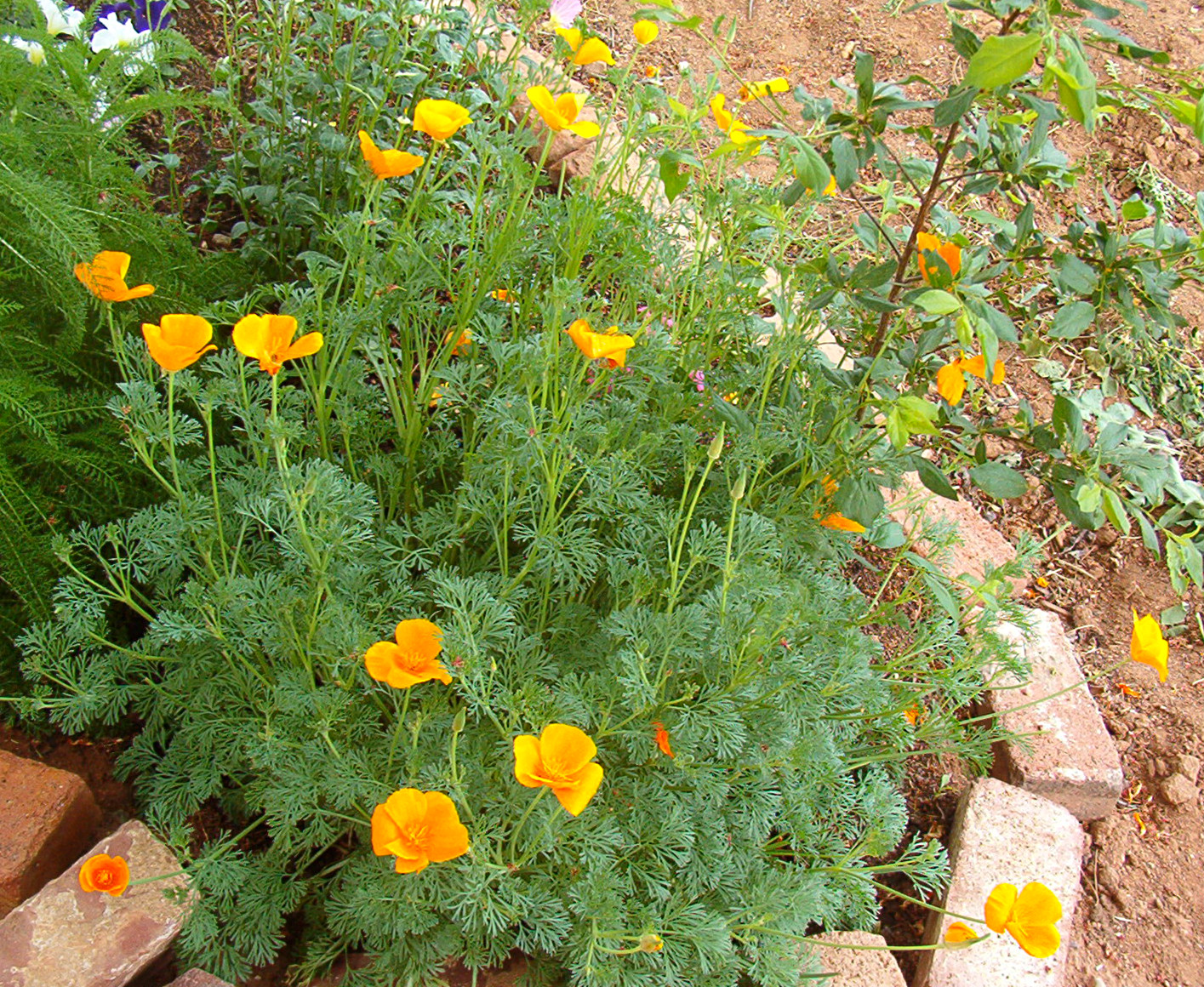
MY MOTHER’S DREAM – March 29, 1960
The whole family was out walking and suddenly we looked up to see a dark rainbow appear – then it got bright and behind it a skyline appeared outlining massive dormed buildings such as I’ve never seen and skyscraper buildings – then it all disappeared and a big wind came.

We realized it was a hurricane. We could hardly stand up against the wind. We saw big apartment buildings on the sides of the streets but the entrances faced another street and we were on the wrong side. The wind grew stronger – finally a door appeared and we went in the building and the person asked us what was wrong? We told her of the great wind but as we pointed outside – all was silent and the wind was gone … and I awoke.

++++

Stop the Storm of the intergenerational transmission of unresolved trauma carried on through the maltreatment of little infant-children.  If we don’t do this, changes in development will continue to rob these children of their own life free from Trauma Altered Development.

If we don’t stop the trauma from happening on the outside, the tiny developing body will do everything in its power to stop its affects on the inside.  This is what happened to my mother.

++++++++++++++++++++++++++++++++

Don’t forget to check out — Brain Facts – A primer on the brain and nervous system

++++

— NEW:  CLICK ON POST, PAGE AND/OR COMMENT TITLE

AND LOOK FOR ‘YOU RATE IT’ STARS AT BOTTOM OF PAGE —

Please feel free to comment directly at the end of this post or on

+++++++

Your Page – Readers’ Responses

+++++++++++++++++++++++++


+GENDER AND THE BRAIN — DIFFERENCES AND EARLY TRAUMA

++++++++++++++++++++++++++++++++++++++

While severe early infant-child maltreatment will often cause Trauma Altered Development, those changes will occur according to our gender.  As we begin to understand how maltreatment of infants and children changes the way a body-brain-mind-self grows through adaptation to trauma, we must consider the physiological differences between the female and the male brain.

++++++++++++++++++++++++++++++++++++++
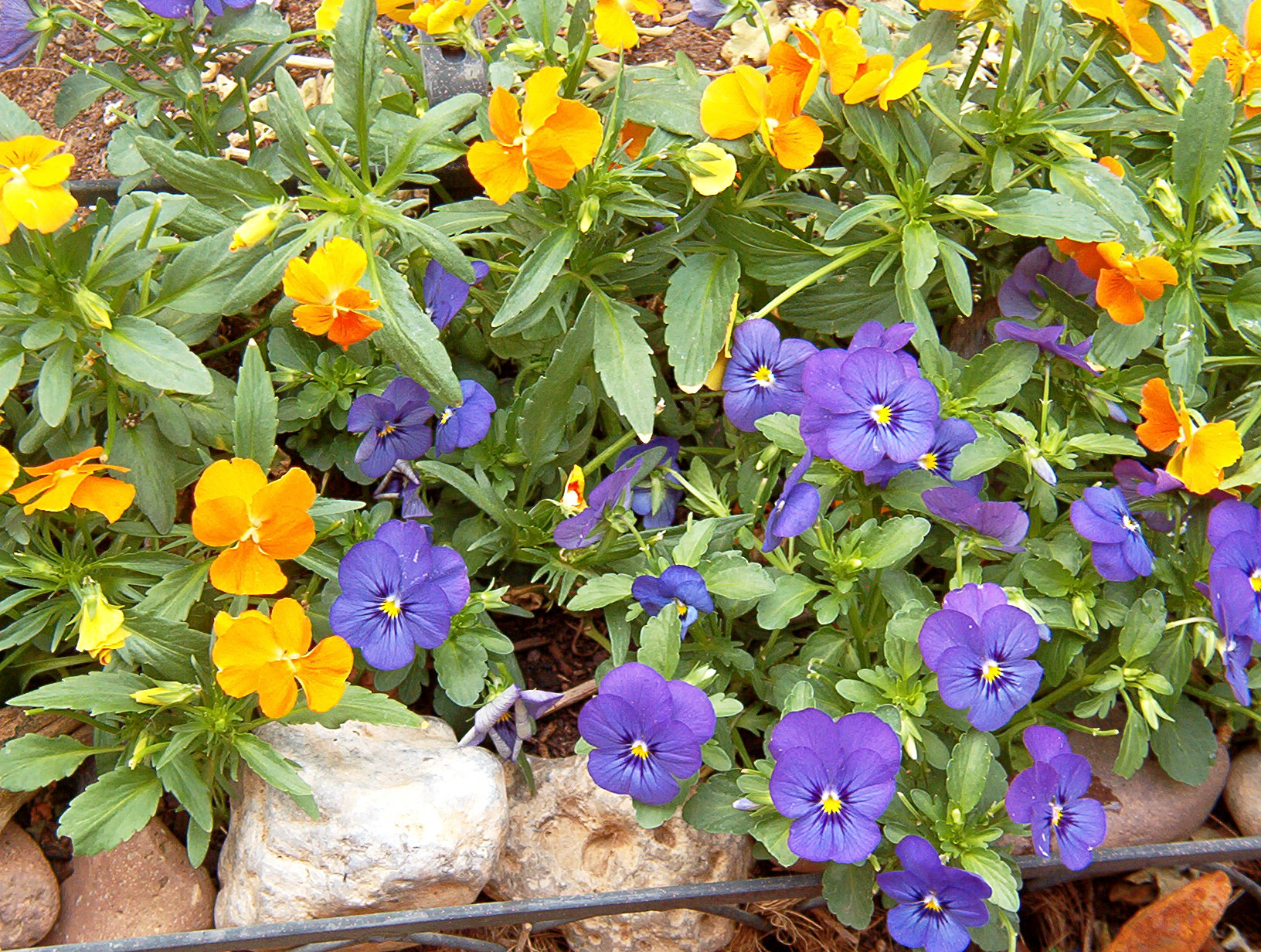
I have been thinking about a man’s comment posted yesterday to +PTSD AND SEVERE ABUSE SURVIVORSHIP – CONCLUSION, which included the following:

There are times when I am doing certain things that I have mastered so purely, that when I am in the middle of “being”, I am, whole, relaxed and alive.


There is no me and you, there just IS, if that makes sense.


This tells me that when we can let go of all the memories of pain, anger, abandonment, being on the defensive all the time, that WE can get for ourselves what was not there
.”

This brings to my mind a topic that I haven’t included yet on my blog – physiological differences between a female and a male brain which affects how we receive and process information.  As we learn about how severe early maltreatment changes an infant-child’s growing and developing body-brain, we must also consider that gender differences occur every step of the way.

I replied to this comment in terms of the fact that memory not only builds an early forming body-brain, but also forms itself into that body-brain.  We cannot ‘let go’ of these memories.  They ARE integrated with who we are – body-brain-mind-self – from the time of our beginnings.

We continually make new memories into our body.  We can achieve amazing consciously altered changes in the present.  Yet we have no choice but to process our self in our lifetime with the structural foundation of the body-brain that was made for us – through secure and safe attachments in a mostly benevolent world, or through insecure and unsafe attachments in a mostly malevolent one.  Our fundamental physiology evolved in our infant-early childhood according to the signals we received from our environment so that we could adjust and alter our development accordingly.

BUT – I need to put the big BUT in here:  Male and female brains are different from our conception.  There is much yet to be learned about what these differences actually are and how they affect us.  When I talk about Trauma Altered Development, it is important to include the concept that our developing early brains are responding to input from the environment differently — according to our sex — from the start.

++++++++++++++++++++++++++++++++++++++
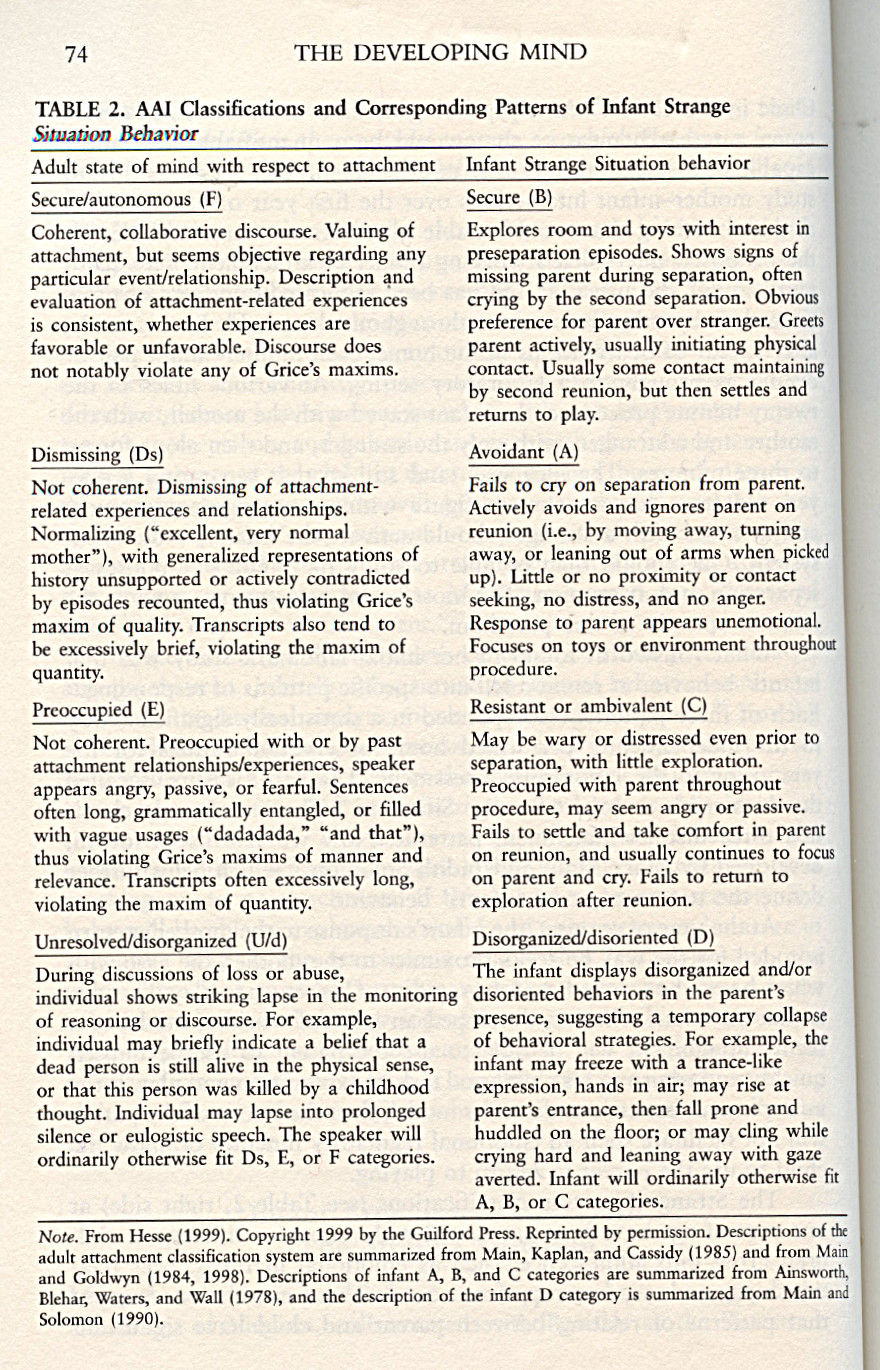
What follows is a presentation of links to LOTS of information about the differences between the female and male brain, and about how severe maltreatment of infant-children during development changes them – each according to their body-brain’s gender.

As you read them, think “adult” rather than just “child” — if we survive our abuse, these trauma consequences do not simply disappear!

++

Here is a link to an excellent (and readable!) article – highly recommended!

Understanding the Effects of Maltreatment on Early Brain Development
In Focus: Understanding the Effects of Maltreatment on Early Brain Development

The effects of abuse and neglect on the developing brain during children’s first few years can result in various mental health problems. For example:

  • Diminished growth in the left hemisphere may increase the risk for depression (Teicher, 2000).
  • Irritability in the limbic system can set the stage for the emergence of panic disorder and post-traumatic stress disorder (PTSD) (Teicher, 2000).
  • Smaller growth in the hippocampus and limbic abnormalities can increase the risk for dissociative disorders and memory impairments (Teicher, 2000).
  • Impairment in the connection between the two brain hemispheres has been linked to symptoms of attention-deficit/hyperactivity disorder (ADHD) (Teicher, 2000).
  • Severely neglected children who have been deprived of sensory stimulation-including touch, movement, and sound-may be at risk for Sensory Integration Disorder (SID) (Parent Network for the Post-Institutionalized Child, 1999).
  • Children who have been raised in environments that totally disregarded their needs for comfort, stimulation, and affection may be at risk for Reactive Attachment Disorder (Parent Network for the Post-Institutionalized Child, 1999).

We are learning more about the serious, long-term consequences of abuse and neglect on brain development, and subsequent physical, cognitive, emotional, and social growth.”

++++++++++++++++++++++++++++++++++++

An interesting collection of information about sex differences in the brain is presented on the Medical Education Online website, I encourage readers to click on this link for a straightforward description of what some of these fundamental differences are.  Note the description of differences between the sexes in their emotional-social limbic brain structure and operation.
++

Another interesting presentation of research related to this topic can be found at:

Female, male brain differences studied

BY: MELANIE MORAN

5/05/2006 – New research attempting to shed light on the age old question of how male and female brains differ has found that timing is everything.

I personally strongly suspect that a severely abused infant experiences brain developmental trauma-related changes as their brain-mind grows to experience TIMING.

My own experience through a severely abusive infant-childhood left me with permanent changes in regard to how I create, store, process and consider my own memory of myself in the world.  I suspect that because I am female my dissociation might have originated and therefore operates differently than it would if I had been born a boy.

++

Sex Hormones Influence Human Cognitive Pattern

There are consistent differences between men’s and women’s cognitive skills, indicating, whatever the source, that their nervous systems also differ. Cognitive sex differences appear well before puberty, are present across cultures, and to some extent parallel differences seen in nonhuman mammals. Nonetheless, we must keep in mind that in the larger comparative context, the similarities between men’s and women’s brains far outweigh the differences.”

++

Here’s another great article that describes in part how women relate to young children differently than men do:

Understanding the Difference Between Men and Women

by Michael G. Conner, Psy.D,

What is very interesting about the differences between men and women is their access to right brain. Women are more connected to their right brain because the connective tissue is greater. Men can access their right brain but they have to “listen” for the messages it provides. It is easy for most men to ignore what the right brain has to offer.

The right brain is focused, for the most part, on information that is not left brain. The right brain “makes sense” of the qualities of voice such as tone, pitch, volume. It also “makes sense” of facial expressions, gestures, body language and the feelings we get. In a sense, our right brain is our emotional radar. It picks up on information that is felt, perceived, heard or seen. This is one reason why women are so much more aware of how children and adults are feeling. This comes in handy to a mother because it allows a mother to “read” and understand an infant based on behaviors and sounds. That’s important because children can’t speak. It is also why women are usually much more attuned, sensitive and unable to ignore an infant who is upset. Mothers seem to know more for reasons that they cannot explain fully to fathers.”

++

This Psychology Today article, The New Sex Scorecard by Hara Estroff Marano, about sex differences and the brain, states, “Males and females, it turns out, are different from the moment of conception, and the difference shows itself in every system of body and brain.”  It’s an excellent, easy to read description about our differences, and from here we can begin to think about how early infant-child trauma during our body-brain develop can affect us differently.

++

Are There Differences between the Brains of Males and Females?

Renato M.E. Sabbatini, PhD

The conclusion is that neuroscience has made great strides in the 90s, regarding the discovery of concrete, scientifically proved anatomical and functional differences between the brains of males and females.”

++

Male brain vs. female brain I: Why do men try to figure out their relationships? Why do women talk to their cars?

These sex differences emerged during the course of human evolution because men and women often faced different selection pressures. Men have come to acquire systemizing and mechanistic skills because such skills were necessary for inventing and making tools and weapons. At the same time, low empathizing ability was helpful for men in tolerating solitude during long hunting and tracking trips, and for committing acts of interpersonal violence and aggression necessary for male competition. (It is very difficult to kill other people if you strongly feel for them.) Similarly, women have come to acquire empathizing and mentalistic skills because they facilitate various aspects of mothering, such as anticipating and understanding the needs of infants who cannot yet talk, or making friends and allies in new environments, in which ancestral women found themselves upon marriage.”

++

Differences in Male and Female Brain Structure

depression and chronic anxiety are diagnosed far more often in women; this may have to do with differences in the chemical composition of the brain, as one study has shown that women produce only about half as much serotonin (a neurotransmitter linked to depression) as men and have fewer transporters to recycle it.

Or, it may have to do with how the various sides of the female brain respond to emotions and pain. Men, on the other hand, are more likely to be diagnosed with autism, Tourette’s syndrome, dyslexia and schizophrenia, to name a few.

Additionally, disorders like schizophrenia and Alzheimer’s disease can show up differently in men and women.

Based on the location of neurons, brain injuries may affect men and women differently.

This sort of knowledge could affect drug treatments, or at least explain why some drugs work differently in men and women. It extends beyond just drugs, though. One study has found that men and women’s brains fire differently when they do plan a visually guided action, like reaching for an object. This may necessitate changes in physical therapy after a brain disorder that affects one side of the brain, like a stroke.”

++

Gender-Specific Differences Found In Human Brain

Men and women’s brains are distinctly different. While men have more neurons in the cerebral cortex, the brain’s outer layer, women have more neuropil, which contains the processes allowing cell communication.”

++

Gender differences seen in brain connections

Human brains appear to come in at least two flavours: male and female. Now variations in the density of the synapses that connect neurons may help to explain differences in how men and women think.

+++++++++++++++++++++++++++++

The Effect of Childhood Trauma on Brain Development

As recently as the 1980s, many professionals thought that by the time babies are born, the structure of their brains was already genetically determined. However, emerging research shows evidence of altered brain functioning as a result of early abuse and neglect. The key to why this occurs appears to be in the brain.

The following studies highlight some of the effects of maltreatment on brain development:

Bremner, J. D., Southwick, S. M., & Charney, D. S. (1991, fall). Animal Models for the Neurobiology of Trauma. National Center for PTSD Research Quarterly, 2(4), 1-7. (PDF Format – Acrobat Reader required)

Clinicians will notice parallels between the behavioral and biological sequelae of inescapable stress and the phe-nomenology of PTSD symptoms in their patients. The animal model of inescapable stress parallels the experience of being pinned down in combat or being the victim of repeated assaults. Inescapable stress produces a variety of behaviors in animals including abnormal alarm states, aggression, sensitivity to stress, altered sleep patterns, deficits in learning and memory, and withdrawal. These behaviors resemble those seen in patients with PTSD. For instance, evidence from animal findings of alterations in noradrenergic brain systems is consistent with emerging findings of abnormalities in noradrenergic systems in patients with PTSD as evidenced by abnormal responses to the alpha-2 noradrenergic receptor antagonist yohimbine. The identification of specific neurobiological abnormalities may lead to the development of new psychopharmacological and psychotherapeutic treatments based on the pathophysiology of PTSD.

Bremner JD, Randall P, et al. (1997). MRI-based measurement of hippocampal volume in posttraumatic stress disorder related to childhood physical and sexual abuse: A preliminary report. Biol Psychiatry, 41, 23-32.

Bremner, J. D. (1999). The Lasting Effects of Psychological Trauma on Memory and the Hippocampus.

Childhood abuse and other extreme stressors can have lasting effects on brain areas involved in memory and emotion. The hippocampus is a brain area involved in learning and memory that is particularly sensitive to stress

Bremner, J. D. (2000). The Invisible Epidemic: Post-Traumatic Stress Disorder, Memory and the Brain. (PDF)

The biology of soul murder: Fear can harm a child’s brain. Is it reversible? (Nov. 11, 1996). U.S. News & World Report

Excerpt: “Once viewed as genetically programmed, the brain is now known to be plastic, an organ molded by both genes and experience throughout life. A single traumatic experience can alter an adult’s brain: A horrifying battle, for instance, may induce the flashbacks, depression and hair-trigger response of post-traumatic stress disorder (PTSD). And researchers are finding that abuse and neglect early in life can have even more devastating consequences, tangling both the chemistry and the architecture of children’s brains and leaving them at risk for drug abuse, teen pregnancy and psychiatric problems later in life.

Centers for Disease Control and Prevention (CDC). (2008). The Effects of Childhood Stress on Health Across the Lifespan

This booklet summarizes the research on childhood stress and its implications for adult health and well-being. Of particular interest is the stress caused by child abuse, neglect, and repeated exposure to intimate partner violence. Intensive and prolonged stress can lead to a variety of short- and long-term negative health effects. It can disrupt early brain development and compromise functioning of the nervous and immune systems. In addition, childhood stress can lead to health problems later in life including alcoholism, depression, eating disorders, heart disease, cancer, and other chronic diseases. This publication provides violence prevention practitioners with ideas about how to incorporate information on childhood stress into their work.
http://www.cdc.gov/ncipc/pub-res/pdf/Childhood_Stress.pdf (warning large file)

Chamberlain, D.B. (1989). Babies Remember Pain. Pre- and Peri-natal Psychology, 3(4), 297-310.

We are still enthralled by popular myths that babies don’t feel, don’t think, don’t remember, and have no sense of self. Scientific research shows these myths to be false and calls into question painful procedures and rituals at birth that are both inhumane and unnecessary.

De Bellis, Michael D. (1999). Developmental Traumatology: Neurobiological Development in Maltreated Children With PTSD. Psychiatric Times, 16 (11),

Science shows that child abuse may be associated with alterations of the body’s major stress systems. These neurobiological effects may cause delays or deficits in a child’s ability to achieve age-appropriate behavioral, cognitive and emotional regulation.

+++++++++++++++++++++++++++++

What about differences in brain between the sexes when it comes to Trauma Altered Development related to malevolent early treatment?

Here is an excellent article on differences in brain development between girls and boys:

Gender Differences in the Sequence of Brain Development

by Leonard Sax, M.D., Ph.D.

The most profound difference between girls and boys is not in any brain structure per se, but rather in the sequence of development of the various brain regions. The different regions of the brain develop in a different sequence, and different tempo, in girls compared with boys.”

++

Gender Differences in Dissociation:  A Dimensional Approach

From abstract:

Considering that epidemiological research on dissociative disorders has suggested a 9 to 1 predominance of female cases, this study investigated the relationship between gender and dissociation using a dimensional approach. A total of 2,153 participants from different diagnostic groups completed the Dissociative Experience Scale. …. There were no significant sex differences in the distribution of high dissociators. Our findings suggest that men and women do not generally differ in dissociative psychopathology.”

++

Sex differences in brain maturation in maltreatment-related pediatric posttraumatic stress disorder

These data suggest that there are sex differences in the brain maturation of boys and girls with maltreatment-related PTSD.”

++

Developmental traumatology part II: brain development

(study of 44 maltreated children and adolescents with PTSD and 61 matched controls )

Results: PTSD subjects had smaller intracranial and cerebral volumes than matched controls. The total midsagittal area of corpus callosum and middle and posterior regions remained smaller; while right, left, and total lateral ventricles were proportionally larger than controls, after adjustment for intracranial volume. Brain volume robustly and positively correlated with age of onset of PTSD trauma and negatively correlated with duration of abuse. Symptoms of intrusive thoughts, avoidance, hyperarousal or dissociation correlated positively with ventricular volume, and negatively with brain volume and total corpus callosum and regional measures. Significant gender by diagnosis effect revealed greater corpus callosum area reduction in maltreated males with PTSD and a trend for greater cerebral volume reduction than maltreated females with PTSD. The predicted decrease in hippocampal volume seen in adult PTSD was not seen in these subjects.

Conclusions: These data suggest that the overwhelming stress of maltreatment experiences in childhood is associated with adverse brain development.”

++

Brain Development:  Evidence of Gender Differences (text review page)

++

(I couldn’t access the text of this online, but you can order it if you want)

Brain structures in pediatric maltreatment-related posttraumatic stress disorder: a sociodemographically matched study
Biological Psychiatry, Volume 52, Issue 11, Pages 1066-1078

++

Developmental Problems of Maltreated Children

Research has estimated that 10% to 61% of maltreated children have mental health problems….  Undoubtedly, differences in maltreatment status, duration, and severity as well as the way psychopathology was measured account for some discrepancies in prevalence.”

[Linda note:  Whether or not a child has a safe and secure adult attachment is a MAJOR factor that affects a traumatized child’s resiliency.]

Maltreated boys display higher rates of aggression than maltreated girls whereas maltreated girls displayed higher rates of internalizing problems (e.g., depression, anxiety, somatic, etc.) than maltreated boys

Health, Growth and Motor Delays, and Compromised Physiological Systems

These fast facts highlight key issues related to the occurrence of developmental problems for maltreated children younger than the age of 3:

  • Twenty-two percent to eighty percent demonstrate acute and chronic health problems
  • Eleven percent demonstrate failure to thrive
  • Twenty percent demonstrate growth delays
  • Four percent to forty-seven percent demonstrate gross and fine motor delays

The occurrence of developmental problems for maltreated children younger than the age of 3

  • Twenty-three percent to sixty-five percent of maltreated children demonstrate cognitive delays
  • Fourteen percent to sixty-four percent of maltreated children demonstrate speech and language delays

Common problems seen in maltreated children younger than the age of 3:

  • Poor emotional comprehension
  • Heightened arousal to negative emotions
  • Increased expression of negative emotion
  • Increased evidence of insecure attachment relationships
  • Poor peer relations and social competence

Diagnosable mental health difficulties in very young children. The occurrence of developmental problems for maltreated children younger than the age of 3 is summarized in these prevalence data:

  • Fourteen percent to thirty-seven percent of maltreated children demonstrate externalizing problems such as aggressive behavior and oppositional behavior
  • Approximately 11% of maltreated children demonstrate internalizing problems such as depression, anxiety, and somatic [physical] complaints
  • Maltreated children exhibit the following specific disorders:
    • Reactive Attachment Disorder — approximately 7%
    • Post Traumatic Stress Disorder or the PTSD symptom of hypervigilance approximately 7%
    • Adjustment Disorders — 40%
    • Regulatory Disorders — 22%”

+++++++++++++++++++++++++

NEW:  CLICK ON POST, PAGE AND/OR COMMENT TITLE

AND LOOK FOR ‘YOU RATE IT’ STARS AT BOTTOM OF PAGE —

Please feel free to comment directly at the end of this post or on

+++++++

Your Page – Readers’ Responses

++++++++++++++++++++++++++++++++