+BOOK WRITING – HARD WORK

+++++++++++++++++++++++++

In some ways I feel as if I am abandoning my post (HA!  I made a pun!)  by diverting my attention into the writing of this book.  I am working hard on it — making progress — so far I am nearing the age of my 6th birthday — and what an old-soul child I was by that age.

I have a long way to go, and a lot of work to do, but with my loved one’s help I am ‘coloring within the lines’ so to speak, which means I am writing within the box, the parameters of the questions my daughter is sending me to respond to with my written answers — the best that I can.

We had our first heavy monsoon rain down here in southeastern Arizona yesterday, but I was disappointed to see that my plants showed signs of stress already today wanting more water!  Oh, I hope more good rains come.  We haven’t had rain for 9 months, and that’s a LONG time – an unusually long time!

So, time to relax for the rest of the evening — back to book writing work tomorrow!!!!

+++++++++++++++++++++++++

+NO MORE WRITING HERE ‘TIL QUESTION #6 IS DONE

++++++++++++++++

OK, I can see right now that I have to leave the blog writing alone until I have completed writing my book response to Question #6.  I will be back here once that is done!  I need to contain all of my struggles right now to get this other work done.  As my daughter reminds me, “Just answer the question, Mom.”  So that is exactly what I will do, no matter what — and this is NO EASY TASK!  Back later!

++++++++++++++++

+YET ANOTHER ARTICLE ABOUT ‘ALL THAT REALLY MATTERS ABOUT INFANT-CHILD ABUSE’

++++++++++++++++++++++++

As many readers complain, the information infant-child abuse survivors most need to know is too scientific and complicated for us to understand!  This is an excellent and important 2005 article on the subject:

The enduring effects of abuse and related adverse experiences in childhood by Robert F. Anda et. al.  (with others….)

NOTE for some reason CLICKING ON THE TITLE DOESN’T WORK!  YOU HAVE TO COPY THE FOLLOWING INTO YOUR TOP ADDRESS BAR — I HAVE NO IDEA WHY THIS IS THE ONLY WAY TO GET TO THIS ARTICLE – or click below:

http://www.beforeyoutakethatpill.com/2009/6/anda_abuse.pdf

So, in the interests of all of us I am going to suggest that readers click on this title link and study the article.  In the meantime, I am going to butcher it here as I try to highlight some facts that MIGHT make sense to us – and to see the researchers behind these words, check out the article itself (follow the copy-paste directions above)!!  Buckle your seat belts, here goes!!  I will try to clarify at least a small part of what this article contains:

“The organization and functional capacity of the human brain depends upon an extraordinary set and sequence of developmental and environmental experiences that influence the expression of the genome [our genes]….  Unfortunately, this elegant sequence is vulnerable to extreme, repetitive, or abnormal patterns of stress during critical…periods of childhood brain development that can impair, often permanently, the activity of major neuroregulatory systems, with profound and lasting neurobehavioral consequences.”

“Now, converging evidence from neurobiology and epidemiology suggests that early life stress such as abuse and related adverse experiences cause enduring brain dysfunction that, in turn, affects health and quality of life throughout the lifespan.”

“An expanding body of evidence…suggests that early stressors cause long term changes in multiple brain circuits and systems….  The amygdala mediates fear responses, and the prefrontal cortex is involved in mood as well as emotional and cognitive responses….”

“The hypothalamic-pituitary-adrenal (HPA) axis plays a critical role in the stress response.  There is an important interaction between development and stress….[in other words] young infants do not have a fully developed glucocorticoid (cortisol in humans) response to stress.”

“Substantial research has focused on the relationship between development, early stress, the HPA axis, and the hippocampus, a stress-sensitive brain region that plays a critical role in learning and memory….  The hippocampus has the capacity to grow new neurons in adulthood (neurogenesis), but stress inhibits neurogenesis…and memory function….”

“Early stressors cause long-term increases in glucocorticoid responses to stress [also related to development of autoimmune disorders!] as well as decreased genetic expression of cortisol receptors in the hippocampus and increased genetic expression of corticotrophin-releasing factor in the hypothalamus, both of which may contribute to dysregulation of the…(HPA) system [a huge factor in all anxiety ‘disorders’ from PTSD to depression and in autoimmune disorders].

“Early environmental deprivation [neglect] inhibits hippocampal neurogenesis; conversely, neurogenesis is enhanced by enriched environments… Alterations in serotonergic [serotonin]…receptors also contribute to deficits in social attachment and regulation of mood and affect following early stress.”

[I am leaving out a long list of research here – skim it in the article]

“Deprivation of developmentally appropriate experience may reduce neuronal activity, resulting in a generalized decrease in neurotrophin production, synaptic connectivity, and neuronal survival…resulting in profound abnormalities in brain organization and structure….  Thus, childhood abuse and exposure to domestic violence [including verbal abuse] can lead to numerous differences in the structure and physiology of the brain that expectedly would affect multiple human functions and behaviors….”

++

Skip down through the tables and the facts on this research study and read the findings at the end of this.

I am supposed to be responding to Question #6 for the book my daughter and I are writing – but I am having a very hard time getting past this kind of information because it is all that really matters.  These kinds of changes are what created my mother’s terrible sickness in the first place that directly led to the terrible abuse she perpetrated against me — which in turn stole from me the best of my life by creating trauma-caused changes in MY development.

In the light of these kinds of facts NOTHING about my own personal story matters!!  THIS is the information that matters to all infant-child abuse survivors!!

AGAIN – NOTE for some reason CLICKING ON THE TITLE DOESN’T WORK!  YOU HAVE TO COPY THE FOLLOWING INTO YOUR TOP ADDRESS BAR — I HAVE NO IDEA WHY THIS IS THE ONLY WAY TO GET TO THIS ARTICLE or click below:

http://www.beforeyoutakethatpill.com/2009/6/anda_abuse.pdf

The enduring effects of abuse and related adverse experiences in childhood

Before anyone takes a pill to ‘feel better’, READ THIS!!!!!  This is the kind of information nobody tells us.  I can’t chew this all up and spit it into my readers’ mouths.  I am not a momma bird feeding a nest full of immature fledglings.  We CAN read and understand these facts!  No amount of therapy or doctoring in the universe is going to make a dent in ‘fixing us’ if we refuse to begin to understand what happened to change our development in the first place.

++

+AGE 5 – GETTING A TOXIC DOSE OF THIS (which of course ALSO connected to my Insecure Attachment Disorder)

++++++++++++++++++++++++

+AGE 5 – GETTING A TOXIC DOSE OF THIS (which of course ALSO connected to my Insecure Attachment Disorder)

++++++++++++++++++++++++++++++++

Instead of getting an Easter basket full of candy in 1957 when I was 5 1/2, I was getting yet another toxic dose of this:

“Recent research suggests that early chronic trauma negatively affects brain development and body stress response systems (DeBellis et al., 1999a, 1999b).  In this formulation it is important to emphasize that early neglect and early trauma have similar effects.  Recent neurobiological research suggests that neglect and absence of care in infancy are traumatic because they create ongoing feelings of intense anxiety and helplessness.  Children with a history of severe early neglect show many PTSD symptoms, especially dissociation and hyperarousal (DeBellis, 2005).  Chronic trauma causes the HPA system to become overactive and more sensitive to future stress.  Children with histories of chronic abuse and trauma have greater concentrations of stress hormones than non traumatized children.  The longer the exposure to trauma, the higher were the abnormal concentrations of stress hormones and neurotransmitters (DeBellis et al., 1999a).  These biochemical changes mean that the stress response systems of traumatized children are activated much of the time, even when no stressors are present, and also that they become more active when stress is mild.  Essentially, the nervous system responds inappropriately, as if severe stressors were present.  Behaviorally, this biochemical overactivity translates into symptoms of PTSD:  hyperarousal, hypervigilance, high anxiety, and difficulty in sleeping.  In a highly reactive child these symptoms may surface so often that he appears to have ADHD; Perry, 1997 [sic]).  In severe cases of persistent abuse and neglect, pervasive developmental disorders may result (Nelson & Carver, 1998).

“The necessity of being constantly on alert has the potential to interfere with development in many ways, especially in young children whose self-regulatory and cognitive skills are not yet well developed.  Maladapted stress response systems have especially negative impacts on the regulation of arousal and emotion:  “Chronic stress increases the ability of the amygdala to learn and express fear associations, while at the same time reducing the ability of the prefrontal cortex to control fear…a vicious cycle in which increased fear and anxiety lead to more stress [and] further dysregulation” (Quirk, 2007, p. 39).   The individual’s ability to appraise environmental cues and respond in a modulated way is impaired by the automatic and overreactive quality of the stress response (Schore, 2001).  A traumatized child who has witnessed violence or been abused spends a great deal of energy scanning the behavior of others for signs of threat.  She becomes attuned to nonverbal cues that signal the potential for violence.  High arousal overshadows and interferes with other brain activities such as curiosity, concentration, and motivation to learn.

“Finally, studies using magnetic resonance imaging (MRI) have shown that children traumatized in the first few years have smaller brain volumes overall, in addition to other brain abnormalities, including delays in myelination, negative effects of stress hormones on the prefrontal cortex, and decreased density of corpus callosum, the network of nerve fibers that links and carries messages between the two hemispheres of the brain (DeBellis, 2005; DeBellis et al., 1999B; Teicher et al., 2004).”  (Child Development, Third Edition: A Practitioner’s Guide (Social Work Practice with Children and Families) by Douglas Davies (Hardcover – Jul 23, 2010) The Guilford Press; Third Edition (July 23, 2010) pages 51-52

++

+YET ANOTHER ARTICLE ABOUT ‘ALL THAT REALLY MATTERS ABOUT INFANT-CHILD ABUSE’

++++++++++++++++++++++++++++++++

+LINK TO IMPORTANT ARTICLE ON EFFECTS OF CHILDHOOD SEXUAL ABUSE

++++++++++++++++++++++++++++++++

I thank blog reader, Monica, for providing me the link to this important article from MSNBC:

Effects of sexual abuse last for decades

Study finds levels of so-called stress hormone are altered for years, sometimes causing physical and mental problems, researchers findBy Joan Raymond

The findings of this 23-year-long study following the lives of women who were sexually abused “by a male living in the home” parallels the important findings the Center for Disease Control (CDC) is documenting in their research on Adverse Childhood Experiences (ACE) studies.

Many sexual abuse consequences are the same as ones suffered by child abuse that does not include sexual abuse.  EXTREME STRESS DURING IMPORTANT EARLY GROWTH STAGES changes the direction physiological development takes.

Resiliency factors available to traumatized children need to be studied equally with the traumas that create such damaging stress.  Without this information nothing useful can be said about what contributes to some people having much more ‘damage’ than others seem to.

Information in studies needs to also be gathered about the overall environment the abused child is living in.  Most importantly, was the abused child’s mother abused herself as a child?  What kinds of attachment patterns were present in the home?  It is very hard for me to imagine sexual abuse happening in a home where safe and secure healthy parents are present.  That means the child did not have safe and secure attachments in the first place.

All research on healing from any kind of trauma concludes that safe and secure attachments to other people who help the sufferer process the trauma – as well as STAY SAFE – make the biggest possible difference in the quality of long term recovery from trauma.  This fact is a MILLION TIMES more important for young children!!!

++

Further information about the work of the authors of the sexual abuse research study, Dr. Penelope Trickett and Dr. Frank Putnam can be found by Google searching these terms:  ‘trickett putman sexual abuse’

++

Another important article to take a look at:

The Impact of Maltreatment on the Developing Child

By Dr. Dana M. Hagel

Recent neuroimaging studies demonstrate that neuroanatomy is significantly altered among individuals who have experienced childhood maltreatment and abuse-related Posttraumatic Stress Disorder.”

“The psychological trauma of maltreatment triggers the complex neurochemical and hormonal systems involved in the stress response and in emotional regulation.  When child experiences an abusive insult, in their glucocorticoid [our body’s own steroid system], noradrenergic, and vasopressin-oxytocin systems are activated; this highly adaptive response allows for survival in a dangerous environment.  Chronic activation, however, may result in permanent changes in brain chemistry, structure, and function.  [I believe it is also vitally important that we realize these changes happen in our entire body, not just in our brain — including our nervous system and our immune system!] Over time, maltreated children are at risk for the development of an exaggerated response to relatively minor stress.  Compounding this insult, maltreated children are forced to respond to environmental threats (family violence), rather than engaging in activities necessary for the development of complex emotional, behavioral, and cognitive functioning.”  [bold type is mine]

++

This is exactly what I have been thinking about as I begin now to write my response to the 6th question my daughter has given me for our book.  It wasn’t ONLY that my mother terrified and assaulted me for 18 years that hurt me.  It wasn’t ONLY the additional isolating confinements of long duration she forced me to bear.  All of these things were combined with the fact that I could not interact with the world in anything like a normal way – so that I was at the SAME TIME deprived of all the OTHER developmentally-necessary activities that SHOULD have been happening for me.

Abuse in dangerous early environments creates a DOUBLE WHAMMY this way!!  I do not believe the harm to we early abuse survivors can ever be adequately measured!  But these kinds of research efforts mentioned in this post HELP because they let survivors and ‘the public’ know that what early abuse is and what it does MATTERS!!!  OH, do we survivors KNOW THIS!!!!!!

++++++++++++++++++++++++++++++++

+BRAIN INSIGHTS THE EASY WAY – GREAT WEBSITE!

+++++++++++++++++++++++

Infant and child abuse survivors very often suffer from alterations in their physiological development because of the extreme stress caused them by the people who were supposed to take care of them.  Trauma and abuse change brain development — a fact that makes it all the more important for survivors to begin to understand ways that we can assist our brain to work better in spite of the changes that may have happened to us.

I stumbled upon this website on the brain today – LOTS of great and easy to understand information, fun exercises and thought provoking insights about the 3-pound miracle inside our skull.  Check this out!!

For example:

Try to include one or more of your senses in an everyday task:4
Get dressed with your eyes closed
Wash your hair with your eyes closed
Share a meal and use only visual cues to communicate. No talking.

Combine two senses:
Listen to music and smell flowers
Listen to the rain and tap your fingers
Watch clouds and play with modeling clay at the same time

topics

+++++++++++++++++++++++

+WAITING FOR THE RAINS

++++++++++++++++++++++++++++++++++

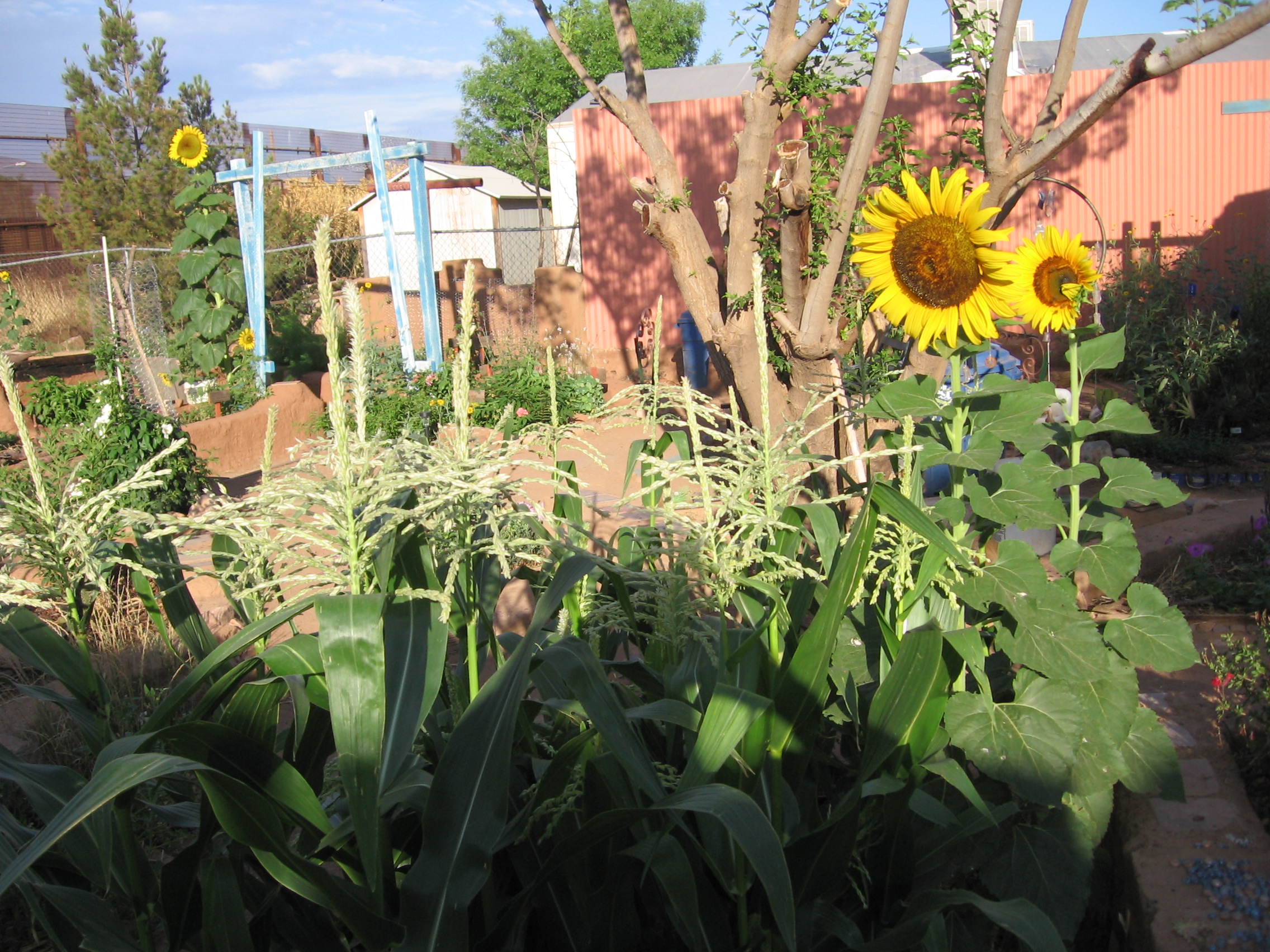
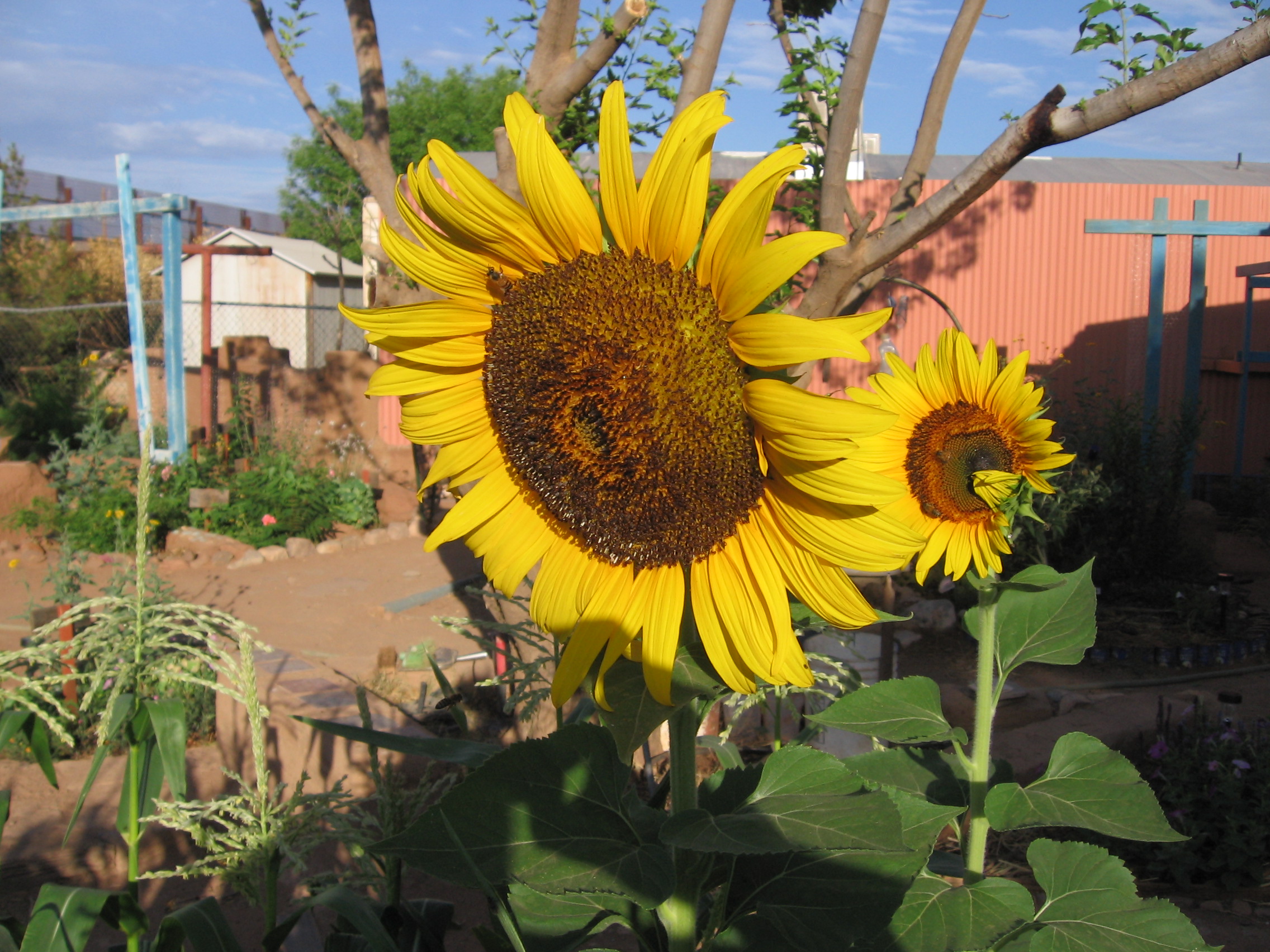
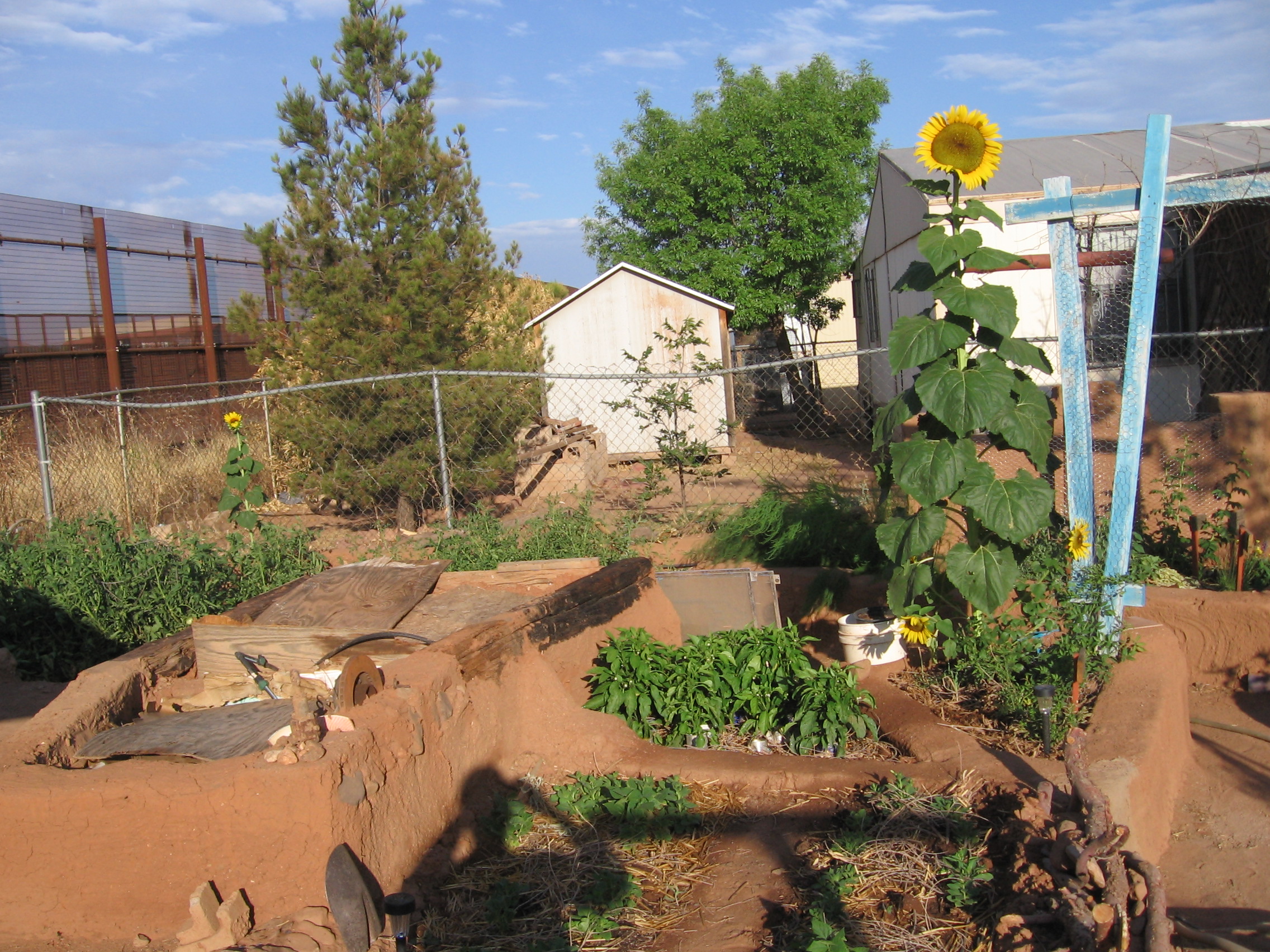
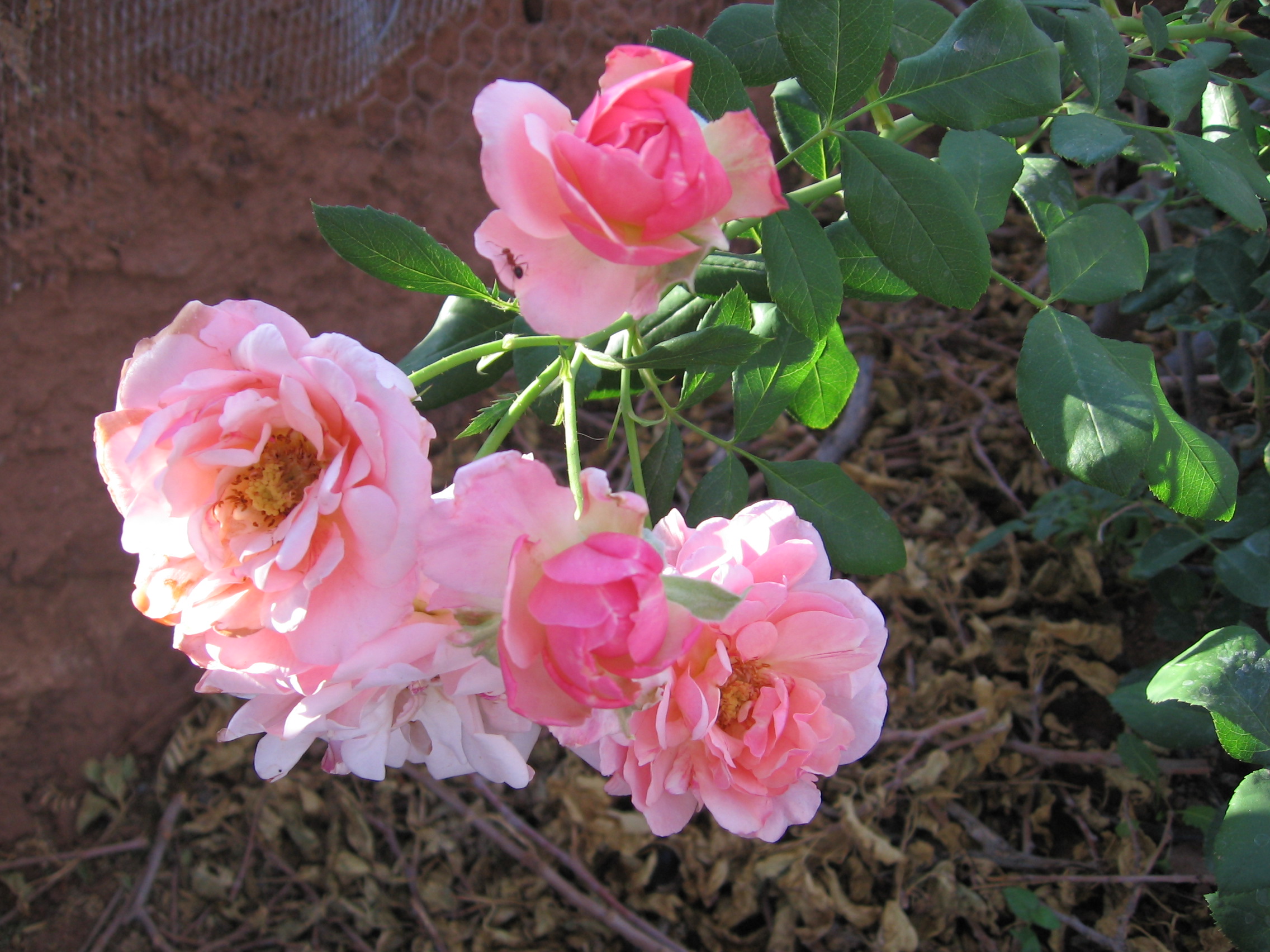
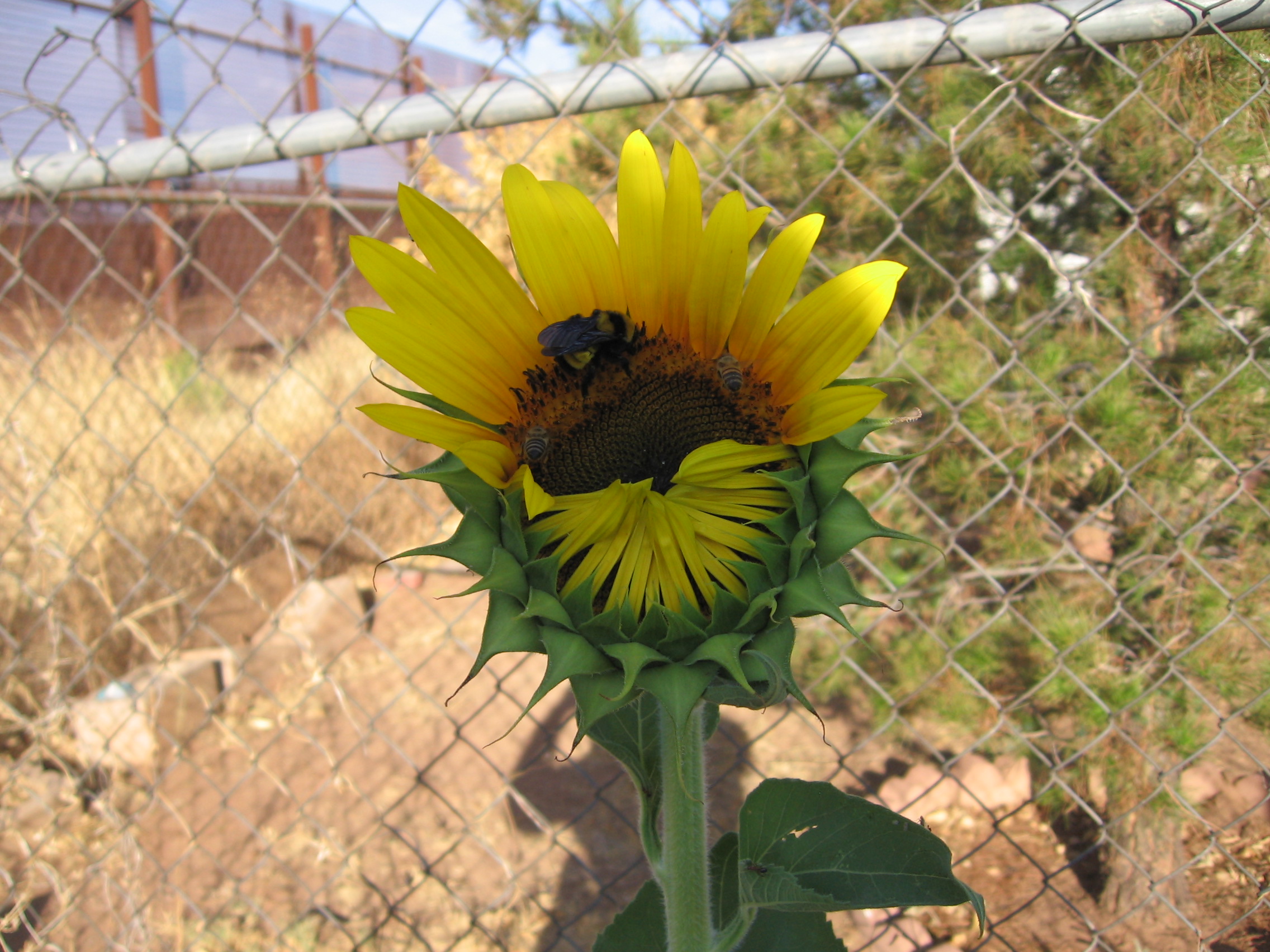
First few drops of summer rain yesterday – all is hopeful.  When the hard rains come pollen will bite the dust.  Meanwhile, bees and ants are busy, corn cobs growing.  One week of afternoon rains and all my plants will quadruple their size.

I sure miss all my adobe construction work.  Too hot right now, but ran out of dirt, anyway.  So sad……

++++++++

Bee food

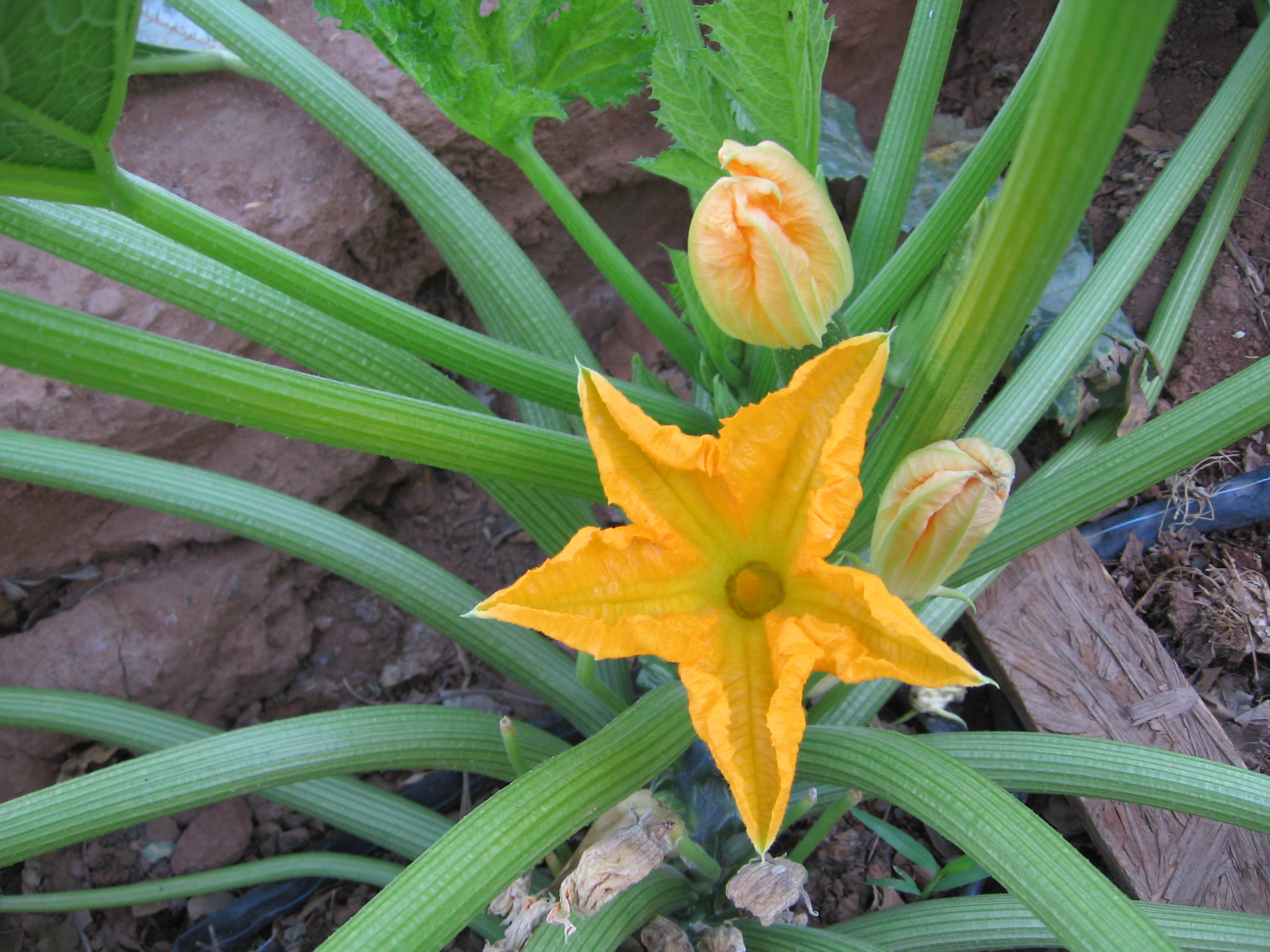
Wants to be a squash when it grows up
The big gal with jalapenos to the left, compost bins, tomatoes

Uncurling its petals, fun to watch, big bee says 'fun to eat'

++++++++++++++++++++++++++++++++++

+THE EASTER 1957 PHOTOGRAPH OF INVISIBLE ‘MISSING LINDA’

+++++++++++++++++++++++++

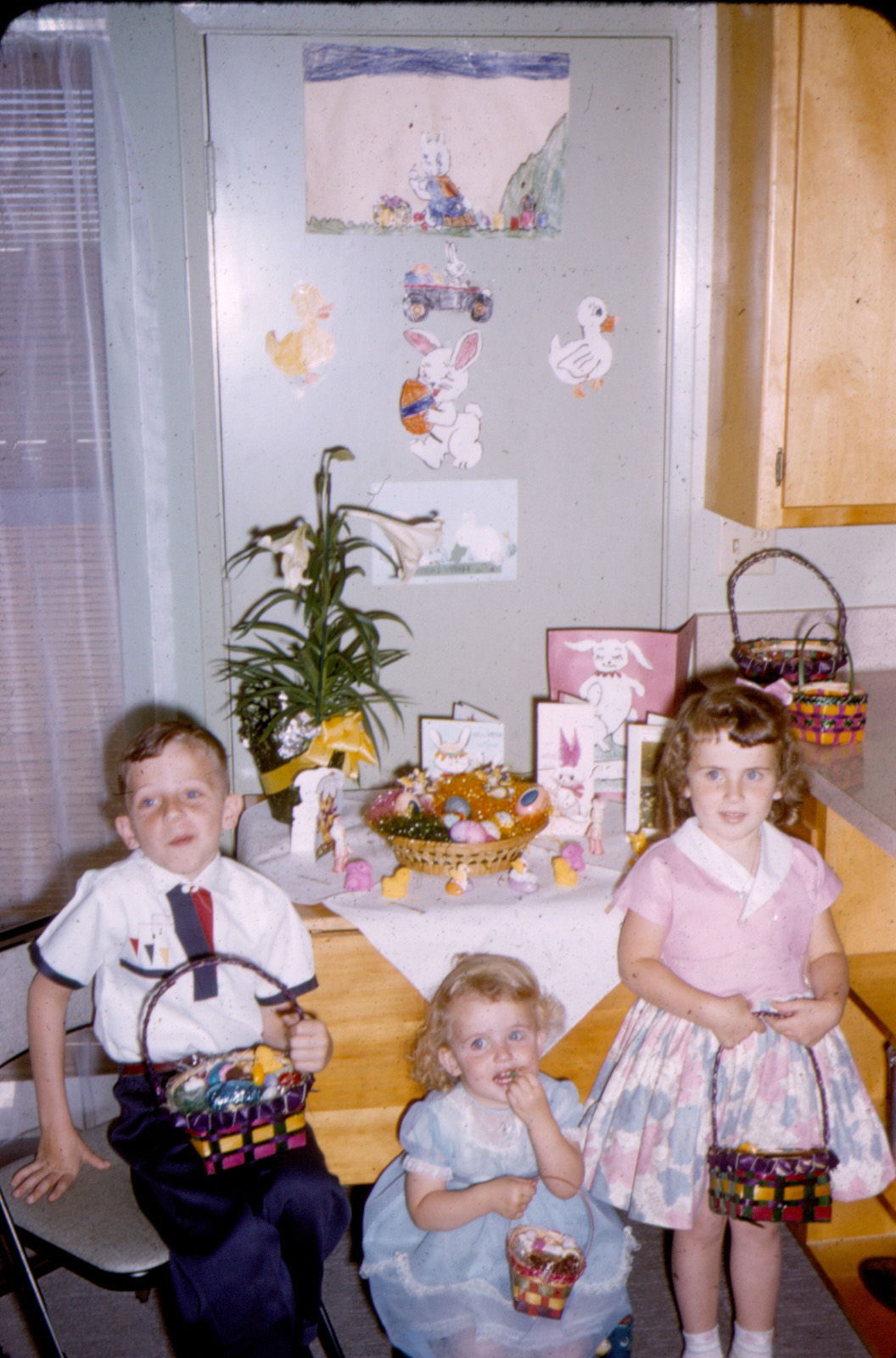
 This picture from a slide I just discovered last Thursday is connected to the two abuse memories from my childhood (age 5 1/2) written about in the posts with links below this picture.  Now that I can see the picture bigger than its original one inch size, I can see two Easter baskets against the wall.  I believe one of them was mine.  I have no idea who the second one could have been for – there were only four children in the family at this time.

I can also see that my siblings don’t look particularly sad in this picture.  Nor should they have.  We were all pure, beautiful and innocent children being mothered by an insane Borderline sadistic terrorist.  How they felt having witnessed the hours of terrible abuse of me from the night before — that I was shocked to realize was still going on even the next morning, Easter Sunday while my siblings were posing in this picture — I cannot ever know.

I can never speak for how my siblings experienced the nearly continual rages my mother had toward me — and her abuse of me.  I am in the process of writing my own story — and that story is NOT my siblings’ story any more than it is my mother’s or my father’s.  It seems very strange to me that I should encounter this picture just after writing the two abuse memories that are sandwiched around the time this picture was taken — within hours.

My daughter has just forwarded to me Question #6 of the eventual 19 questions that I am answering as I tell my story.  I am now in my four day ‘waiting’ period of preparing myself to respond in writing to Question #6.  Therefore I will offer nothing more about this picture now.  I will need to decide if I am going to back up and write about this picture within the body of Question #5 which I have already finished, or if I am going to start my response to #6 with this picture.

All I can say right now is that this depicted ‘situation’ was so common during my childhood that it WAS my and my siblings’ reality.  Linda was simply missing from most of the ongoing life of my family as I was being ‘punished’ in bed, in a corner — having been beaten — with all the other etc.  that accompanied my mother’s madness about me.

Easter 1957 - My Easter basket must be on the counter by the wall -- My siblings are here, I am being 'punished' probably banished in bed for 'The Fox Incident' from the night before. Mother wrote on this slide's casing 'Easter 1957 (children)' -- NOT ME? There is nothing I can wish more at this moment than 'Someone should have RESCUED me from her - forever!'

(The Fox memory) – +WRITING A BOOK? MY STORIES? WHAT DIFFERENCE DOES IT MAKE?

(This picture belongs between these two memories – related to last night’s post) – +ME: THE INVISIBLE CHILD MISSING

(The Bubble Gum memory) – +AN EXAMPLE: ABUSE MEMORY AND FINDING OUR OWN GOODNESS

+++++++++++++++++++++++++

+THE U.N. ON GLOBAL REPORTING — CHILD RIGHTS VIOLATIONS

++++++++++++++++++++++++

Child Rights at the Human Rights Council

Latest developments

Complaints Mechanism

The Council adopted the final draft Optional Protocol on a communications procedure for children’s rights violations. The new protocol will enable the Committee on the Rights of the Child to examine communications from children and their representatives alleging violations of their rights.

For further information on the adoption, together with NGOs’ response and what it means for children’s rights:


Sexual Orientation and Gender Identity

In a groundbreaking achievement for upholding the principles of the Universal Declaration of Human Rights (UDHR), the United Nations Human Rights Council (the Council) passed a resolution on human rights violations based on sexual orientation and gender identity. (L9/rev1).

It is the first UN resolution ever to bring specific focus to human rights violations based on sexual orientation and gender identity, and affirms the universality of human rights, as well as drawing on concerns about acts of violence and discrimination based on sexual orientation and gender identity.

International Service for Human Rights (ISHR) said the commitment of the Human Rights Council sends an important signal of support to human rights defenders working on these issues, and recognises the legitimacy of their work.

What next?

A study, to be completed by December 2011, will both document discriminatory laws, practises and acts of violence against individuals all over the world based on their sexual orientation and gender identity, and assess how international human rights law could be used to end violence and related human rights violations based on sexual orientation gender identity.

Based on the study, a panel discussion will take place during the 19th session of the Council.


Business and Human Rights

On 16 June, the Council endorsed a new set of Guiding Principles for Business and Human Rights designed to provide – for the first time – a global standard for preventing and addressing the risk of adverse impacts on human rights linked to business activity.

NGO criticism

The Guiding Principles were criticised by many NGOs, with Arvind Ganesan, business and human rights director at Human Rights Watch, saying: “In effect, the council endorsed the status quo: a world where companies are encouraged, but not obliged, to respect human rights. Guidance isn’t enough – we need a mechanism to scrutinize how companies and governments apply these principles.”

CRIN also criticised the Guiding Principles, lamenting the absence of children’s rights. “We cannot see how the adopted Principles are consonant with the ‘special attention’ envisioned for children in the Special Representative’s mandate”, CRIN stated.

“Given this failure, we now call on those responsible for monitoring and implementing the Principles to revisit the issue of business and children’s rights and ensure that the newly adopted Principles in practice genuinely respect children’s rights, fully address children’s unique vulnerability, and provide thorough and thoughtful direction on the subject of business and children’s rights to States and business enterprises alike.”

What next?

A Working Group will be established, consisting of five independent experts with a balanced geographical representation. The experts, who will take on the role for a period of three years, will be appointed at the 18th session of the Human Rights Council in September.

READ MORE HERE

++++++++++++++++++++++++

+ME: THE INVISIBLE CHILD MISSING

++++++++++++++++++++++++++

I started sorting through the collection of family slides from my childhood today so I can begin to scan, organize, and repair them.  My youngest brother had them in safekeeping in Alaska, but I am the one of the six siblings in my family with the time and motivation to tackle this task of restoration.  I mention all of this now because one of the slides I happened to pick out of the disorderly piles today needs to be put right in between two of my 5 1/2-year-old memories I just wrote about in response to Question #5 for the book my daughter and I are writing.  (I will have to wait for a new computer to ‘appear’ for me to work with down the road before I can make much progress, this one being too old and prone to crashes) See:  +AN EXAMPLE: ABUSE MEMORY AND FINDING OUR OWN GOODNESS

I found a slide of Easter morning 1957 that happened the day after ‘The Fox’ memory.  When I wrote about what followed on that day in ‘The Bubble Gum’ memory I had no idea even with what I thought MIGHT have happened following the one abuse incident immediately prior to the next one on the next day that on this day my mother was so extra mean to me.  What this picture shows clearly is three children, not four, standing all dressed up in their Easter finery each holding an Easter basket.  Who is missing?  ME!

No happy Linda there all dressed up for Easter morning standing there with her brother and two sisters with her Easter basket!  Where was I?  Evidently IN BED being ‘punished’ for what happened the day of my fox memory.  That means that by the time the family left for their ‘holiday picnic in the park’ I was still being ‘punished’, and no doubt only brought along to the park because I couldn’t be left home alone.

I must have been sadder than I even began to imagine on that Easter morning, and yet my GREAT RESILIENCY as a terribly battered young child still allowed me to even HAVE the experience that I wrote about in ‘The Bubble Gum’ memory.  In spite of my mother’s beatings and screaming and banishment to my bed, in spite of her depriving me from being a part of the morning Easter supposed happiness with my siblings, I STILL managed to invent a game to play with my friend, Debby, at the park.  I still managed to think of her and to make my own decision to share my gum with her that day.  I still noticed the beauty of the grass.

My ‘baby’ sister who is four years younger than me has been visiting me this week from Seattle.  Being with her has given me a small glimmer of what my siblings experience as witnesses to the abuse that was done to me.  How did they feel as children ages almost 7, 3 and 1?  THEY look so sad!  How could they NOT be sad?  All dressed up like Mother’s puppets, propped in front of the decorated Easter table, lily and all — not smiling, not joyful.

Oh, wait — as I look again at this slide I see in the background a single lone Easter basket sitting on the counter:  Mine.

In my mother’s so-terribly-sick world I was alone, banished and concealed in my room ‘getting what Linda deserved’ for ‘lying’ about what ‘The Fox’ memory describes.  (Written in this post:  +WRITING A BOOK? MY STORIES? WHAT DIFFERENCE DOES IT MAKE?)

At some point when I get this slide scanned in I will post it.  I will need to add my reaction to all of this to the response to Question #5 — or see what my daughter sends me in the next day or so for the next question.   Maybe this new ‘discovery’ will be a transition between #5 and #6.

My sister is willing to help this book writing process along in any way that she can, just as my daughter is doing.  Often I want to walk away from the whole project!  What my mother did to me defies understanding — how can any reader understand no matter how well I put my story together if I can’t understand it myself?

I can’t worry about that right now.  I just have to ‘answer the question’ one at a time as my daughter sends them to me — but finding this slide/picture today was a shock — and in some ways its existence is a gift:  “A picture is worth a thousand words.”  I have more information now than I did before — even if that information is ugly — it is the truth.

This isn’t the only picture I found today that is missing invisible me, either.  Nobody brought the camera into the corner to take a picture of me, or into my bedroom to snap a shot of me, either.  Many of the pictures of me in my childhood are just of a child missing — me just GONE from the ongoing life of the rest of my family while ‘evil, bad-child’ Linda was off being ‘punished’ somewhere else.

++++++++++++++++++++++++++