
+++++++++++++++++++++++
Have you ever played the Jenga Stacking Game? Have you ever felt so emotionally and mentally fragile that if even one block of what gives you calmness and stability is removed that you and your life will topple into a pile of rubble? It is far too easy for severe infant-childhood trauma and abuse survivors to stumble and crumble if our inner and outer resources are at times not adequate to meet the unforeseen challenges of our adult lives. We need to anticipate events that might trigger our trauma overload reactions ahead of time if we possibly can.
I’ve never played this game, but my sister brought the image of it up tonight in our telephone conversation about the life long consequences of living within a body that was built in childhood by trauma. Players are supposed to pull blocks out of the stack with care without toppling the tower. My sister was talking about how fragile infant-child trauma survivors really are, and about how we have to be so very careful when changes have to be made in our lives not to topple over whatever precarious sense of safety and security we might have constructed within our lives.
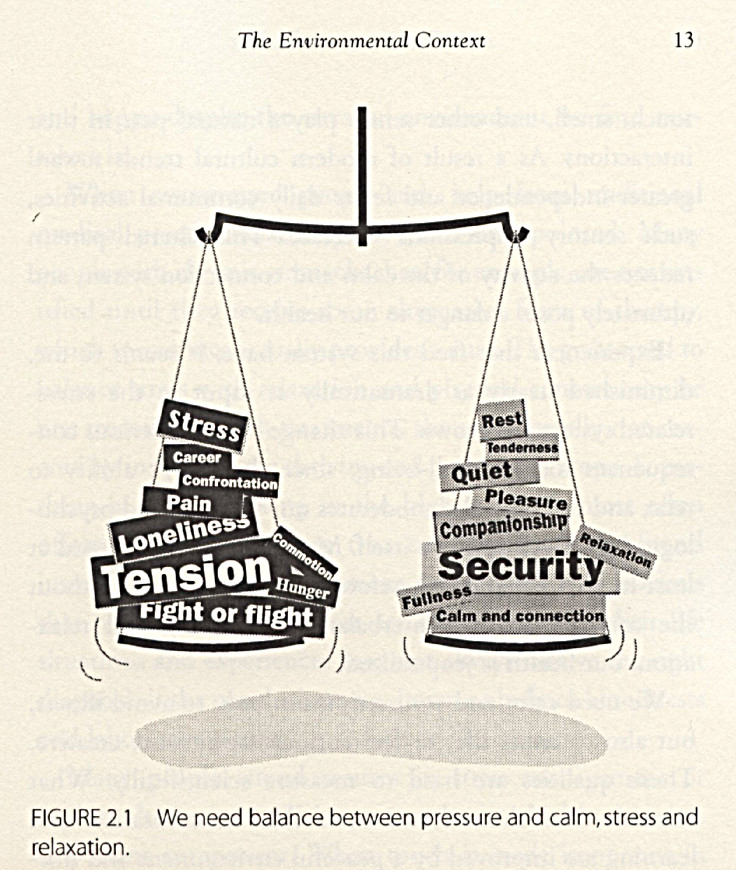
I am thinking again about the image I posted yesterday:

I have no idea how life is for people who were not abused as children. From my point of view as a survivor, finding ways to fill the positive side of this scale is a full time job.
I also want to note that as hard as I try to be in my posts about the possibilities and opportunities we can find for healing, trauma survivors have to ALWAYS be realistic. When the trauma side of the scale is overloaded, and when our body-brain formed within these terrible conditions, not only is our center point not set at calm and balanced equilibrium in our body-nervous system, but terrible pain and suffering is also built into us.
We need to know, identify, understand and recognize not only the factors in our lives that trigger our pain, but also the signs that we are being triggered and are in danger of melt-down. We need to know the nature of our woundedness. Because of the unsafe and insecure attachment experiences we had as our body-brain formed, we can think of our vulnerabilities to threats to our present safe and secure attachment to and in the world as if we have a severe, deadly allergy that if triggered without adequate resources to combat our reaction can destroy us.
If and when we reach a point where our full-blown trauma reactions have been triggered, we are in a state of emergency that is every bit as life threatening as any other kind we can imagine. The emergencies happen to us when in-built, body-brain based infant-childhood traumas (or any other unresolved, overwhelming traumas) emerge beyond what we have the inner and outer resources to handle, regulate and resolve. We need to learn how to avoid, if at all possible, reaching these critical states because once we do reach them, we will be caught within what is, for severe trauma survivors, a reaction that is as completely understandable and natural for our body-brain as it CAN be predictable.
As we begin to understand how trauma built our physiology we begin to realize that we have to be as careful as possible to not topple our internal tower. Not only did our emotional right brain not receive what it needed so that we can smoothly and easily regulate our emotional states, but our emotions were overloaded early in our lives. These emotions for the most part have gone NOWHERE. They remain in our body and can overwhelm us in our present life when stress, threat, danger and trauma threaten us just as they did when we were very small.
I remember years ago telling someone that if I ever (so-called) “got in touch with my pain” that I would start crying and never stop. I knew there was an ocean of tears inside of me. One time I got myself into a relationship with a man — well, skipping the story — I will just say that the relationship patterns triggered my insecure attachment patterns. I of course did not know this. At one point my ancient infant-childhood emotions caused by my severely traumatic childhood exploded through a fissure created in my present within this relationship.
I started crying. I could not stop crying. I cried for three weeks. I cried myself to sleep. I woke up crying and I could not stop. (Talk about puffy, sore eyes!) I fortunately had many close women friends at that time in my life. One by one they came to visit me, sitting beside me on my bed, stroking my back, patting my hand, bringing me and my children food. I could not talk about the pain, I could only cry it out and it took a long time for this pain outbreak to begin to diminish.
I do everything I possibly can in my life today to avoid that precipice. I cannot afford to let the depth of my pain overwhelm me again if I can possibly help it. That kind of crying is like having an emotional jugular vein sliced wide open. We can hemorrhage tears like we are imploding and bleeding to death.
As I have written about the chemical that signals our body that we are in pain — Substance P. Pain, the physiological signaling of it and the experience of the pain itself, is equally as real for emotional pain as it is for any physical pain.
We cannot afford to allow this pain we carry to be triggered if we can find any way to avoid it. We need to realize our well-being is at best precarious. We need to realize that a proactive consideration about how to make changes in our lives, especially major ones, can mean the difference between life and death. We have to understand that there are times when our inner resources will not be available to match the demands of situations that stress and distress us.
No matter what else happened to us, our deepest and truest childhood trauma, at its core, was our lack of safe and secure attachment at the time of our beginnings. We have to remember that child trauma survivors who were deprived of the benefits of safe and secure early attachments that would have built a well-regulated emotional right brain translate stress immediately into distress on occasions in adulthood when their safety and security is threatened.
These threats can be caused by such things as change in relationship status including loss and absence of loved ones (including ’empty nest’), threat of loss and of actual loss of financial security including job loss and change, moves, sickness — you name it, anything that makes our precarious tower of safety tremble if not collapse.
Even though these types of situations might not seem to be directly related to our infant-childhood traumas, we need to realize that anything that threatens our degree of safety and security is a trauma trigger because we did not escape our earliest trauma with a strong sense of safety and security built into us as it should have been. It is also important to realize that some people will react violently, radically and drastically to threat that triggers pain, loss and sadness because they CAN come up with ways to escape the experience of their own pain (dismiss-avoid and/or fight back actively or passively).
These people cannot tolerate the experience of their own childhood pain and will defend themselves against it (often true of men but also true for my mother). These people will protect and defend themselves first, and anyone dependent upon them is at risk for some kind of harm. All trauma reactions are un-reason-able because they are automatic and come directly from body memory connected to an unregulated right emotional brain and trauma built nervous system. Our body-brain does not process threat or stress information ‘normally’ in a way that includes the slower reason-able processes of the higher cortex.
At those times that circumstances of our life threaten to or actually trigger the pain of our deepest traumas, we can so lose our sense of safety and security, of calm, peacefulness and connection in the present that our self seems to completely disappear. We can become overcome and overwhelmed with the physiological experience of our body, including its emotions. In this maelstrom it is critical that we find ways to reestablish the anti-distress, anti-trauma conditions that support and affirm our SELF so that we can regain the functions of our higher cortex as we find ways to address the conditions that triggered the severe trauma reactions in the first place.
As my sister mentioned tonight, we need to be careful not to topple the tower of our lives if we can possibly avoid it. If we have found ways to begin to fill up the un-stressed side of our inner selves, the sense of balance we might be able to finally feel in our lives MUST be maintained. Our life can depend on it.
We need to understand what our trauma triggers are so we can avoid inner disaster. The threat and the danger of crumbling inside is very, very real and I do not believe we can survive it without supportive and appropriate help from others. (So few of us can access the kind of quality therapy we need that I can’t even consider therapy a realistic resource.)
I believe that human beings are more than the sum of our parts. We are more than the automatic physiological reactions that our body creates in response to threat and trauma in our lives. We most need to find a way to connect with our own sense of our strong, clear SELF at those times that we experience our ‘falling apart’. Of course proactive prevention is best for us, but when our trauma is triggered knowing that we are able to accomplish this critical action of regaining our own SELF in the midst of the storm empowers and heals us beyond words.
PLEASE NOTE: The experience of severe and overwhelming emotion that is related to right limbic brain sensitivity, irritability and lack of adequate ability to regulate emotion — due to having been formed in early infant-childhood malevolent environments — not only FEELS like some kind of ‘seizure activity’, but actually IS closely related. Please spend some time taking a look at some of the online information about emotional KINDLING in the right limbic brain and its connection to infant-child abuse.
Think of our emotional injuries affecting us like deep splinters and bad burns and other wounds do — all sharing the Substance P physiological pain signaling systems within our body-brain. Severe infant-childhood trauma and abuse leaves us bruised and battered inside. Even as we heal gradually over time, we will always still have scars. Some of us have a broken heart that will never heal in this lifetime. We have to try to be as gentle and kind to ourselves as we possibly can.
This process must include our being as aware as we can possibly be of what is coming down the road at us so we can be prepared to take wise and protective steps to take care of our self before we get overrun with the ongoing changes and traumas that everyone’s life is prone to.
++++++++++++++++++++++
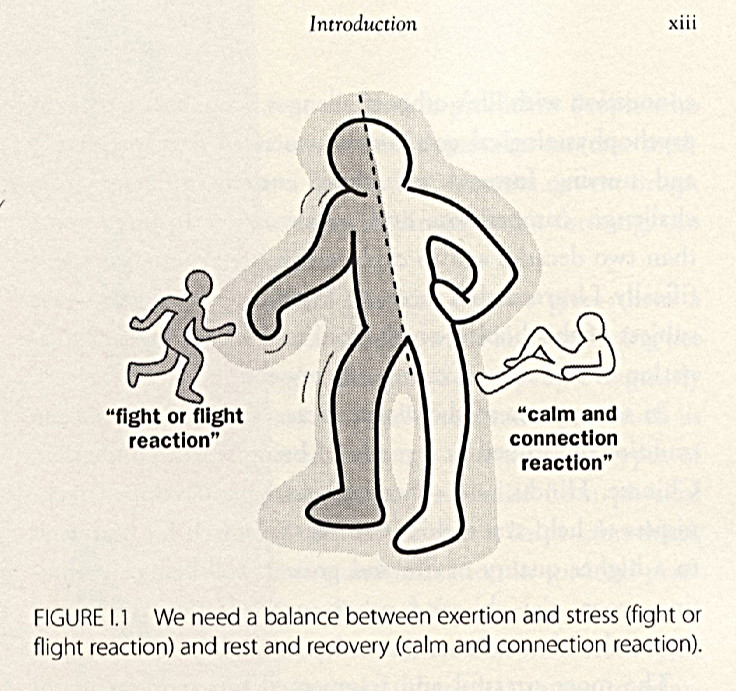

 Stop the Storm
You must be logged in to post a comment.