
++++++++++++++++++++++++++++
What is play and what is work? I am including here some photographs of my spinning demonstration for our community’s children’s art festival held Saturday, March 6, 1010. I also write here about an encounter I had with a family at the carnival that made me think again about denial and empathy, both of which are complex aspects of the human experience.
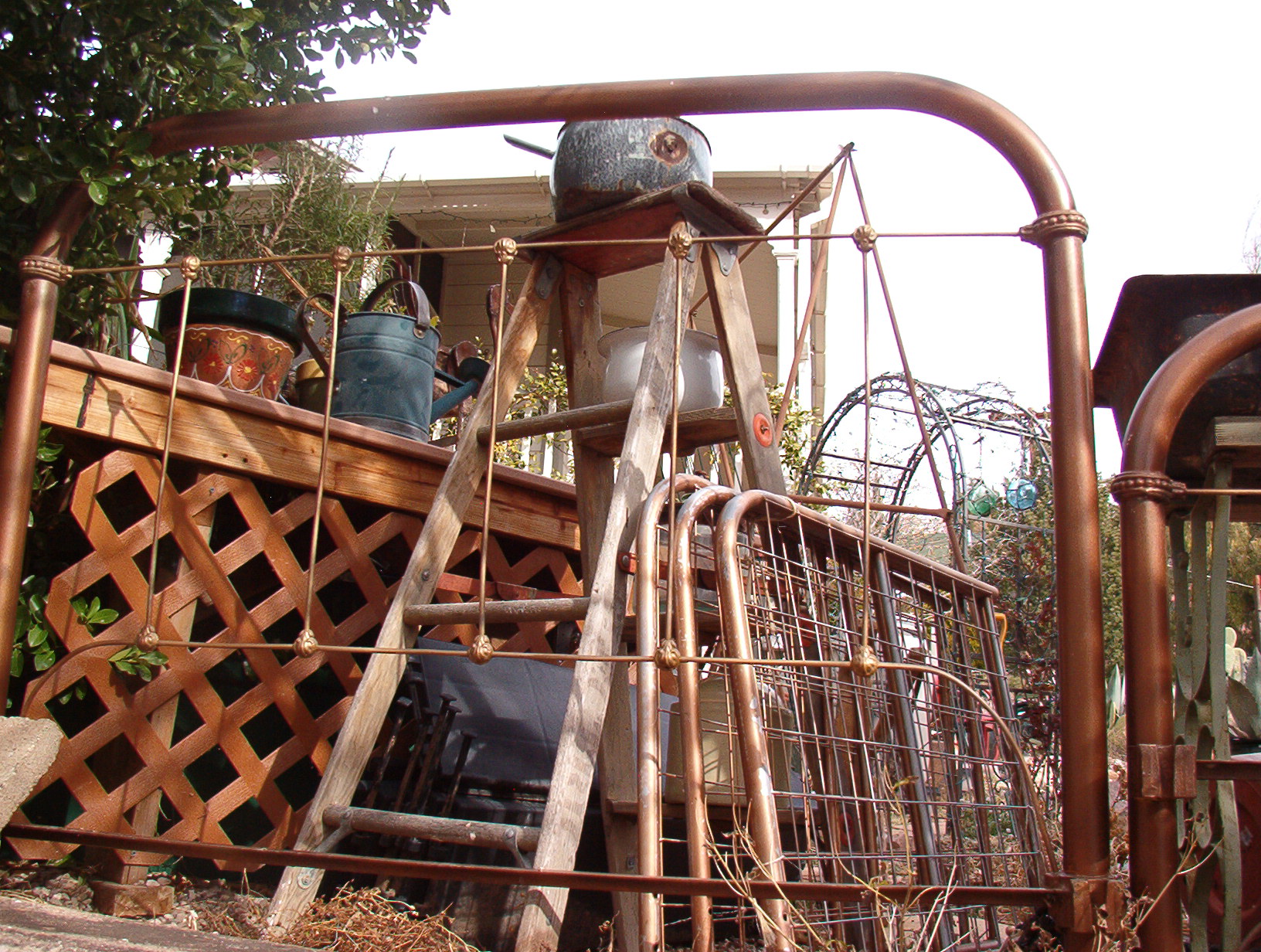
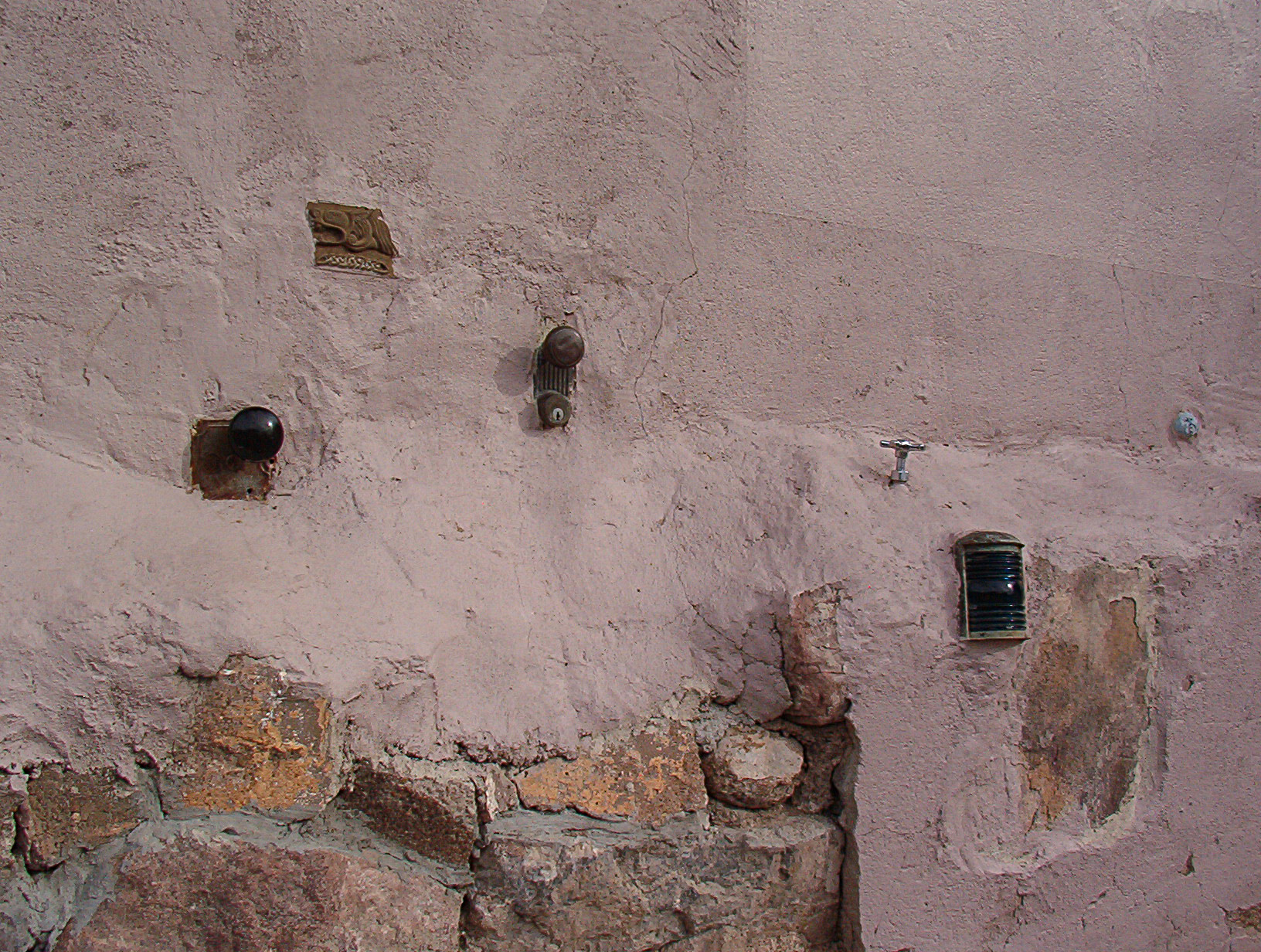
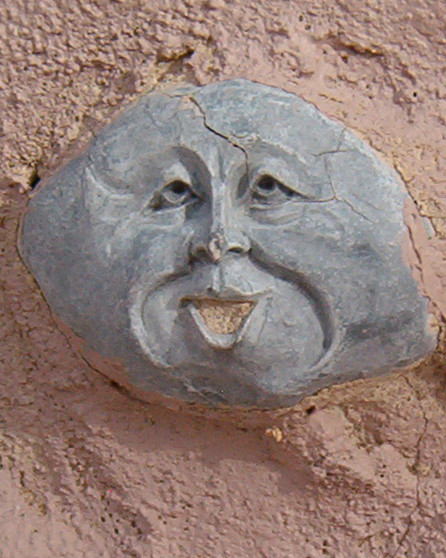
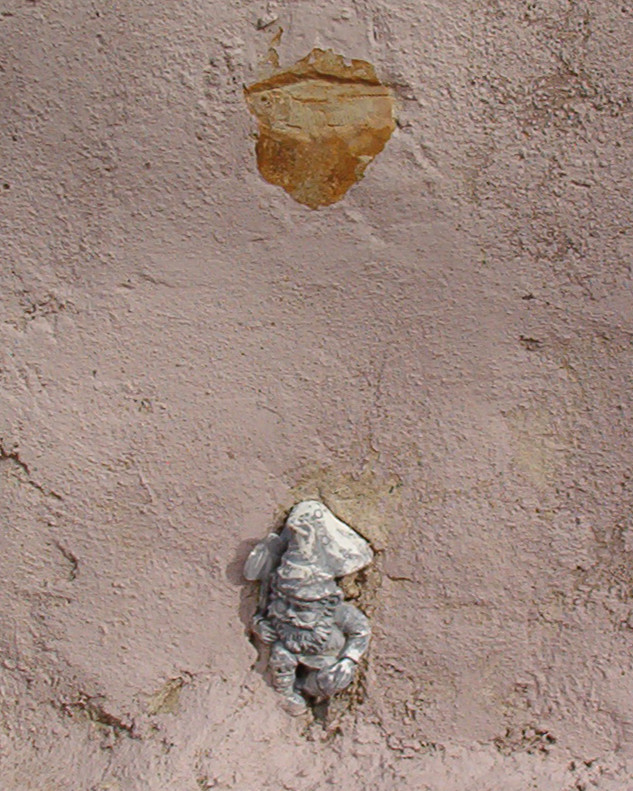
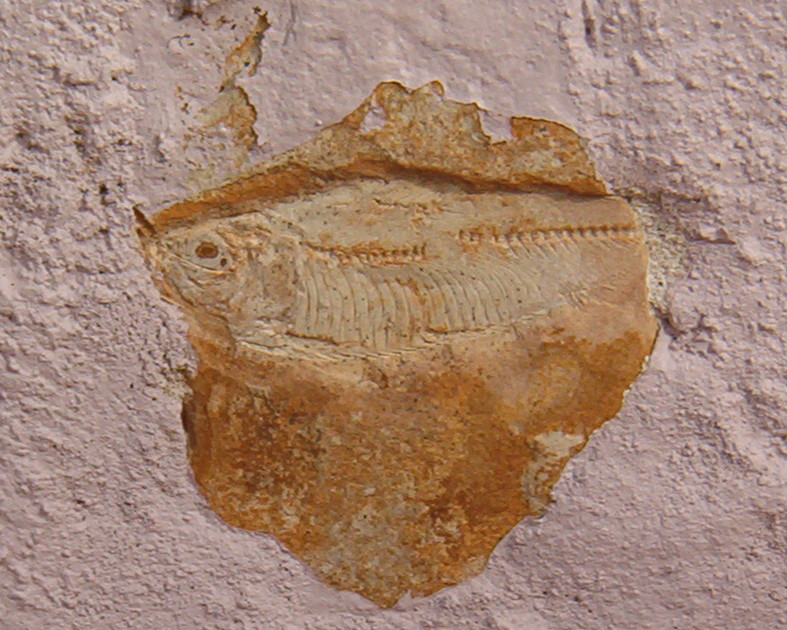
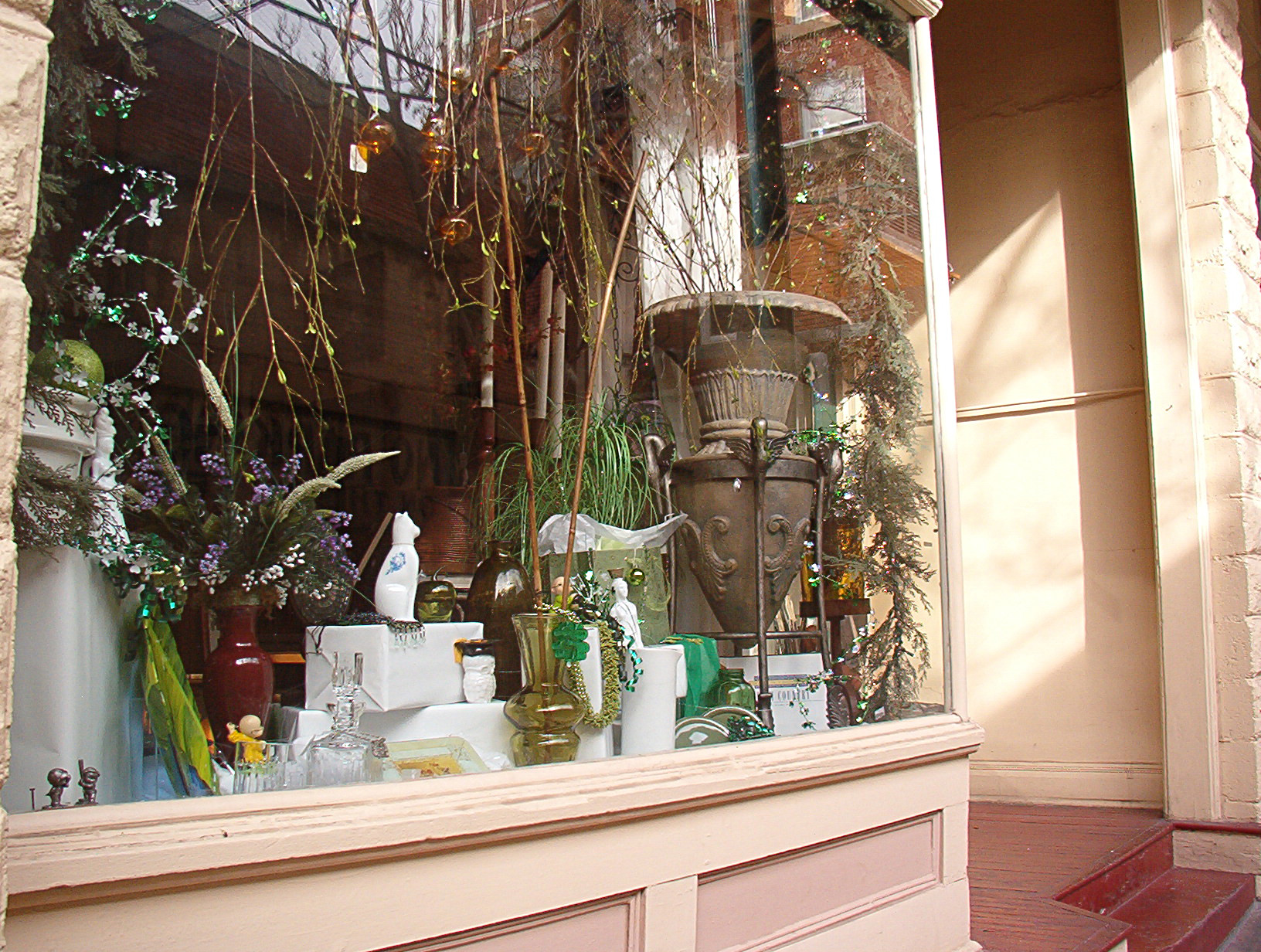
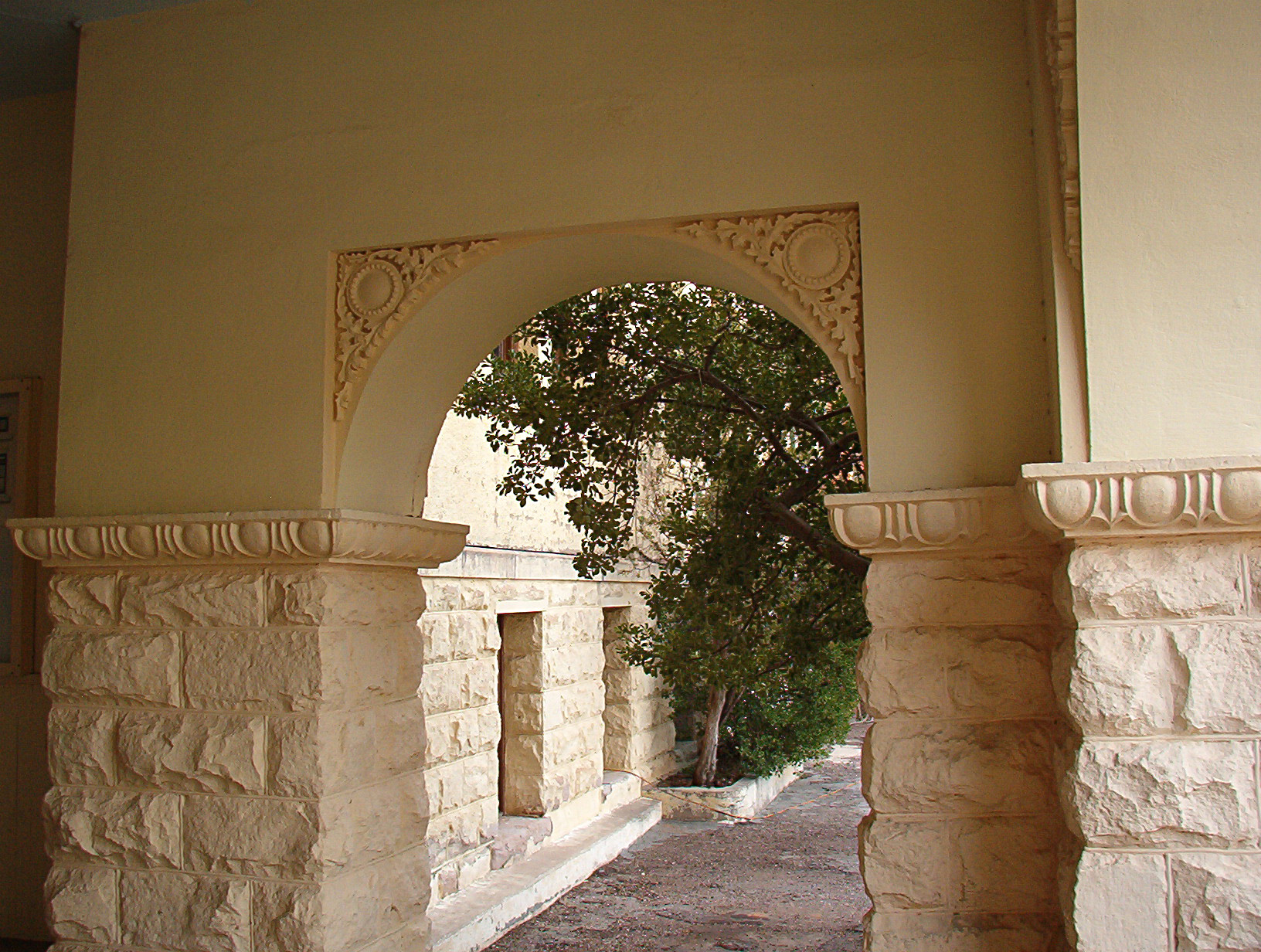
Before I begin, let me share with you a few pictures I took on Saturday of a tiny slice of Old Bisbee, Arizona.



++++++++++++++++++++++++++++
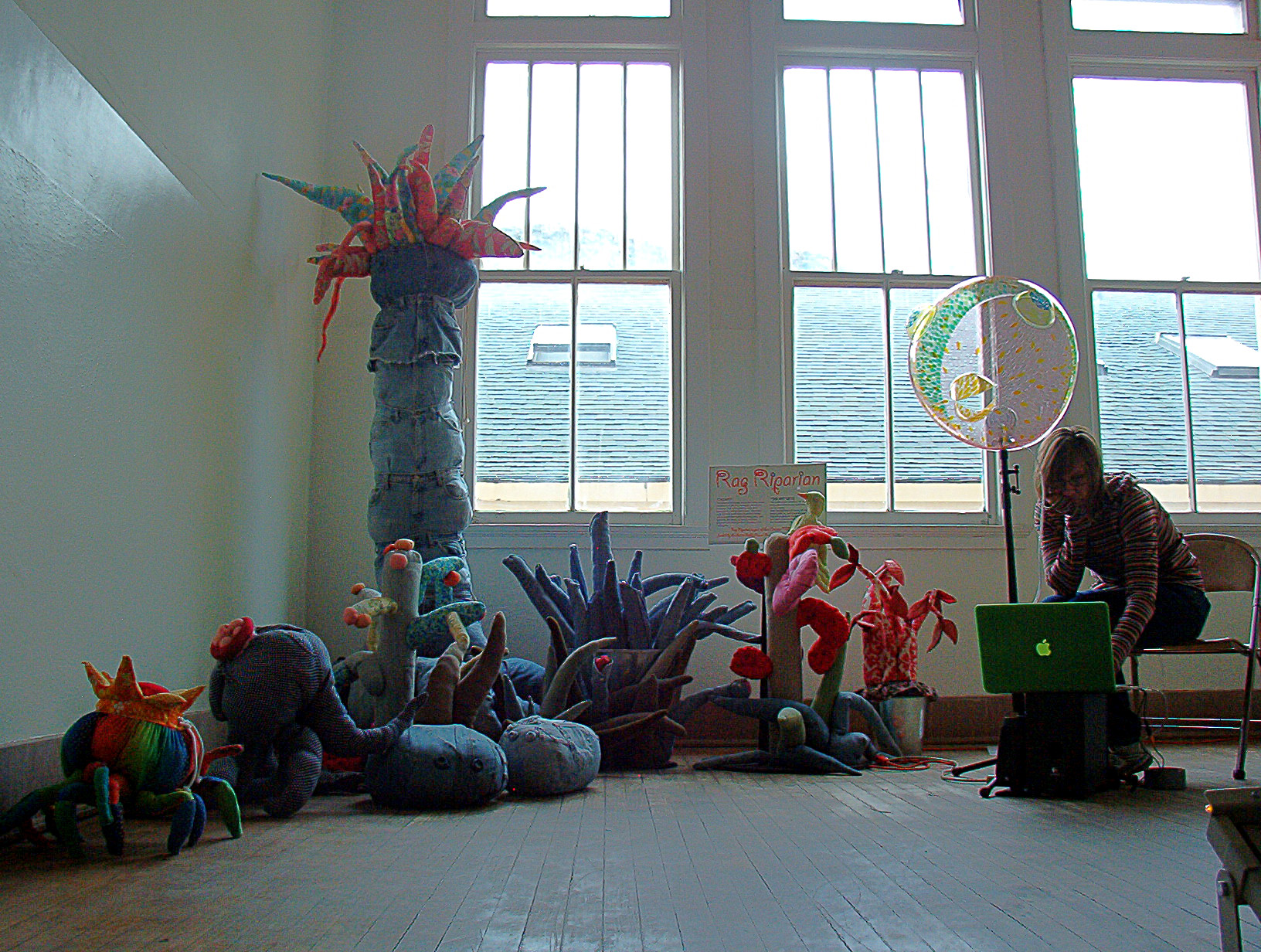
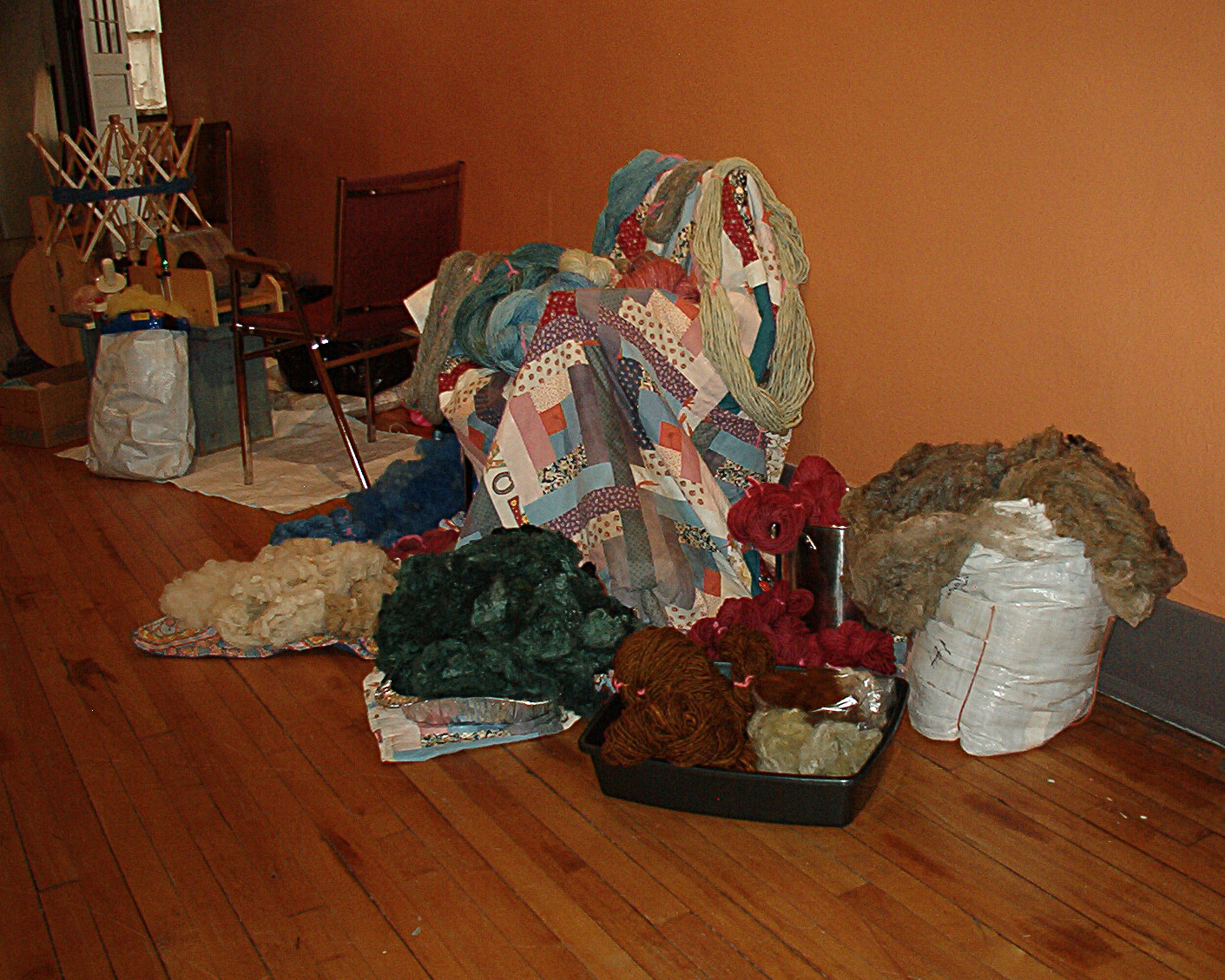
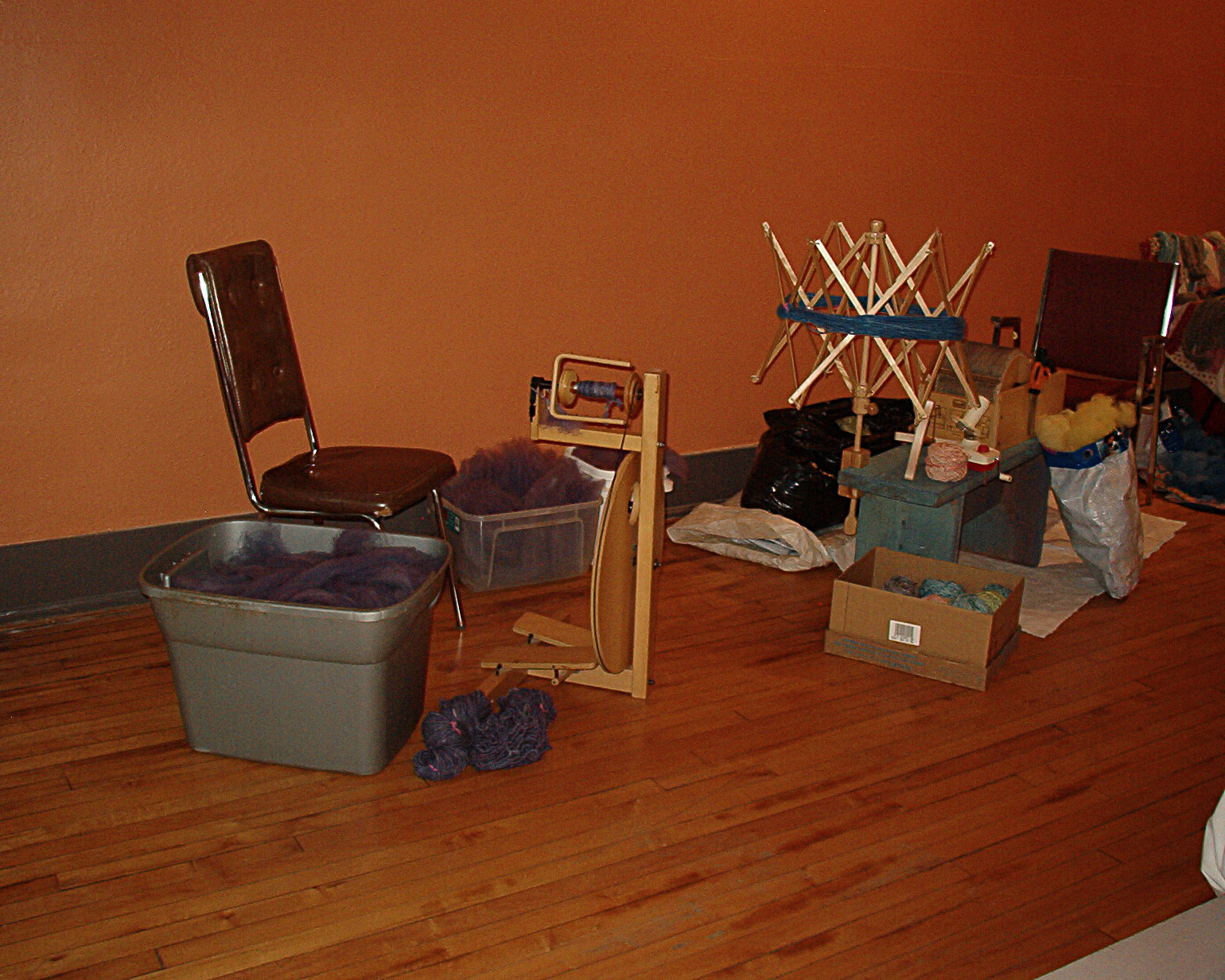
Next I’ll share some pictures with you of Central School where the children’s art festival was held. This old school has been purchased by a nonprofit community art collective. The class rooms are rented individually as studios. You will see the giant papier mache taco made by 6th graders, the cloth sculpted cacti with their artist sitting beside them, and my spinning demonstration area before the children arrived with their families en masse. I was too busy to take pictures at that point.




++++++++++++++++++++++++++++
Now, for a little story. Among the many families that brought children to this event, one stands out for me in particular. For all the families and children who seemed delighted to have a chance to play with the wool, this one family had an entirely reaction. The man who brought the children was at least their grandfather, if not their great grandfather. He was not a young man.
When I first became aware of the presence of the family, three of the four children present with this gentleman stood close enough to my spinning wheel that I could demonstrate for them how the big wheel transferred a twist into the lose, fluffy wool I held in my hands. These three, all girls ranging in age from about 4 to 7, watched raptly.
When I asked them if they wanted to see how the wool looked at the beginning when it came off of the sheep, they nodded their heads. So, I walked to the other end of the set up here and began to show them all of the various steps involved in making yarn. The oldest of these three girls was captivated by the pile of fluffy yellow fleece that by this time surrounded the drum carder. Lots of children had had their hands in the pile of soft wool as they had sat to turn the crank of the drum carder to watch all the hairs sort themselves into straightened order for spinning them.
The older of the girls wanted to try the carder, but as I was explaining to her how to lay bits of wool under the teeth of the drums, her grandfather person began to speak more and more loudly to her. At first I was oblivious to him because I was entirely focused on helping the little girl learn and enjoy herself. But it didn’t take very long before the words this man was speaking became very clear both to me and to the girl.
“You don’t want to do that,” he was saying when I first tuned into his words. As he continued I began to understand that this girl’s experience with the fluffy yellow fleece was going to be interrupted and aborted. It became obvious that this man couldn’t get the little girl away from this scene fast enough.
“This isn’t fun. This is work. You don’t want to do this.” The man was obviously gearing up. “It wasn’t that long ago that nobody had anything to wear if someone didn’t do this kind of work to make their clothes. It hasn’t been that long since children had to work long hours every day without stopping. You don’t want to do that. That is work. We didn’t come here to work. We came here for you to have fun. This isn’t fun. We came here so you could make a kaleidoscope. Come with me. Come with me right now. Leave this and come have fun.”
The little girl had not heard this man right away. It was obvious to me that she, like all the other children who had stopped by the demo before her, loved the feel of the soft wool. She was intrigued with the steel-toothed drums that she could turn as they tugged and pulled the fibers into their teeth. It struck me how large the drums looked with her little hands next to them holding onto the fluff so it didn’t get yanked at one time and get stuck between the wheels.
When the girl noticed this man’s words, as he became more intense and more insistent and more chagrined, I could see that she didn’t share his thoughts of the moment. Although she never said a word, I could tell she didn’t want to leave. I could also tell that if I didn’t act quickly even a bigger scene was in the act of creation. I looked into the little girl’s eyes and spoke to her quietly. “It’s OK. You can go upstairs now and see what’s up there for you to do. I will be here when you are done if you want to come back.”
The family immediately disappeared up the stairs. I did not see them again.
There are more levels to this story and to this encounter than I will ever understand. The family was African American. Would I feel any different about the encounter if the family had been Anglo? I don’t think so, because I was tuned into the interaction as it happened because of the child being a child. I could sense a universe of hurt behind the voice of the thin, intense, disturbed and agitated man. I can imagine that he, having been born perhaps in the early 30s or before, having deep personal history about labor, including child labor, both for himself and for his ancestors. I can imagine a similar story coming from people whose lives as children revolved around farm work, as well.
At the same time I understand that he was not, at this instant, tuned into the life experience of the silent, shy, thin and beautiful child with her hands clutching handfuls of soft yellow fluffy fleece.
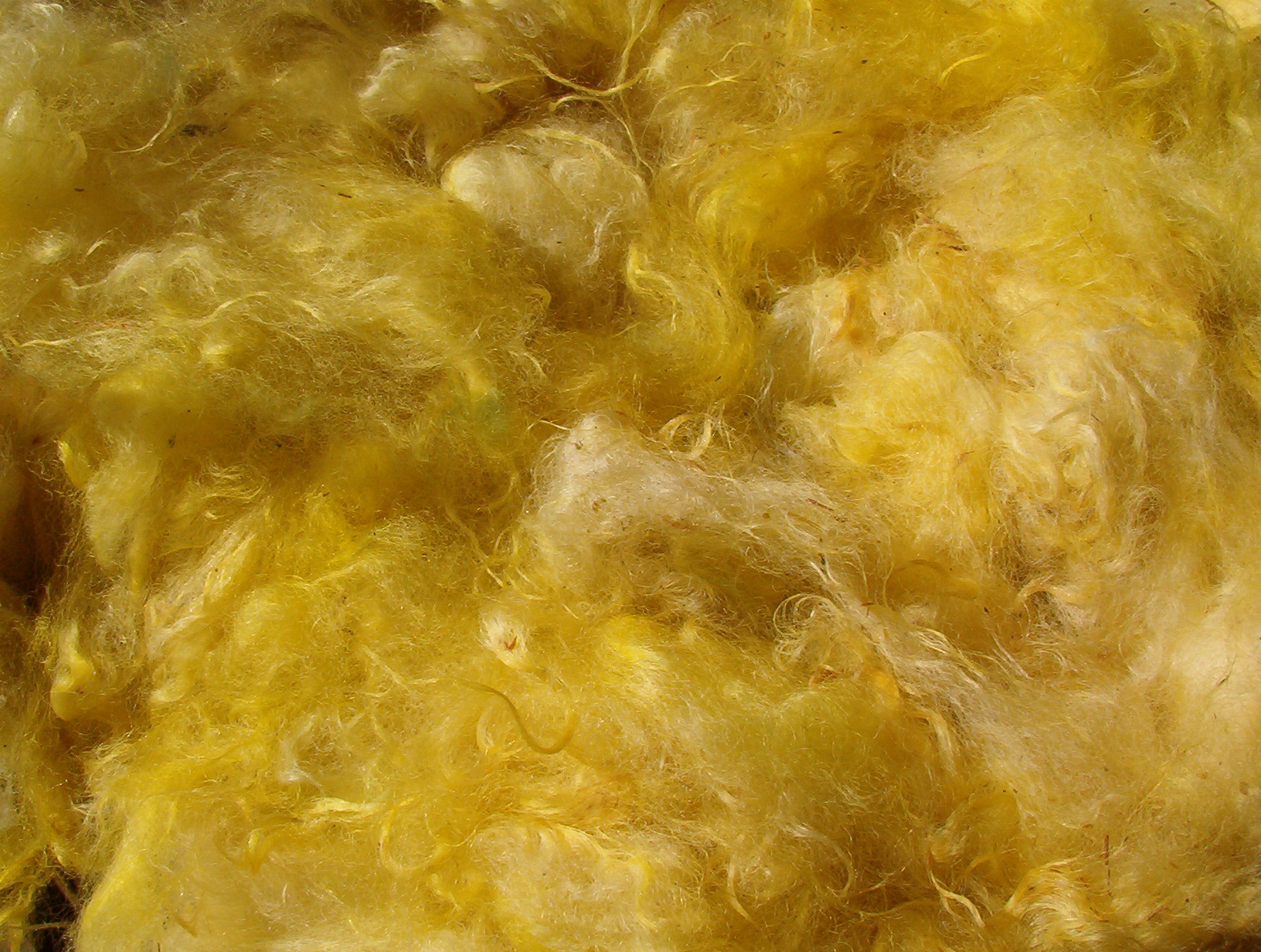
Yes, spinning and weaving IS WORK. Yet work done by choice and with happiness is different than the kind of work this man seemed to be referring to.
It brought me to thinking about how easy it is for adults to miss the moments of empathy that children require to find in their own interactions with the environment what things feel like to their own self. These experiences of what attachment experts refer to as ‘exploration’ happen as soon as an infant’s body has developed enough to begin to understand that the hands waving around in front of their eyes belong to them, and that they can move them around at will.
The end result of what is called safe and secure attachment to caregivers in the world is exploration. Interferences in safety and security impinge upon this process of exploration. Yes, it was obvious to me that every caregiver that cared enough to come with their children to an event such as this art festival cared a great deal for their little ones. Yet in this small interactive encounter I thought about how histories of trauma affect grown ups who in billions of small ways communicate unresolved trauma on down the generations.
This, in turn, makes me think particularly of something I have said very little about thus far on my blog: What is preoccupied (ambivalent) insecure attachment? (see: +SIEGEL – DESCRIPTION OF ATTACHMENT STYLES). In unconscious ways, orchestrated most effectively through denial of our own trauma triggers, we can remain preoccupied with our own reality of unresolved trauma and project that reality onto children in our care.
I sensed that something about seeing this little girl that he loved probably more than he loves his own life with her hands in that fleece, standing by that drum carder intent on the process of ‘working’ with the wool, was a trauma trigger for this man. That was his reaction. I could FEEL it big time. I felt sad at the same time I couldn’t help but feel happy that what this man wanted for this girl was to have fun — aka, for her to be happy.
Yet in the short term perhaps making a kaleidoscope was the happier choice, the more fun option at the moment, but was there a pattern of not being able to notice the reality of the child from her point of view that could be short circuiting her explorations of herself in her own world? I certainly cannot say, nor will I ever know.
++++++++++++++++++++++++++++
I will share with you here just a few more pictures related to the spinning work with wool that I do. As a woman, I have always worked with my hands. Beginning with the pop beads I had when I was two, I have always enjoyed this WORK. Would this be less of a fact if I hadn’t had such a miserable abusive childhood that this work became a solace for me that allowed me to survive? Would I be making kaleidoscopes if things in my own infant-childhood past had been better? I don’t know that, either.
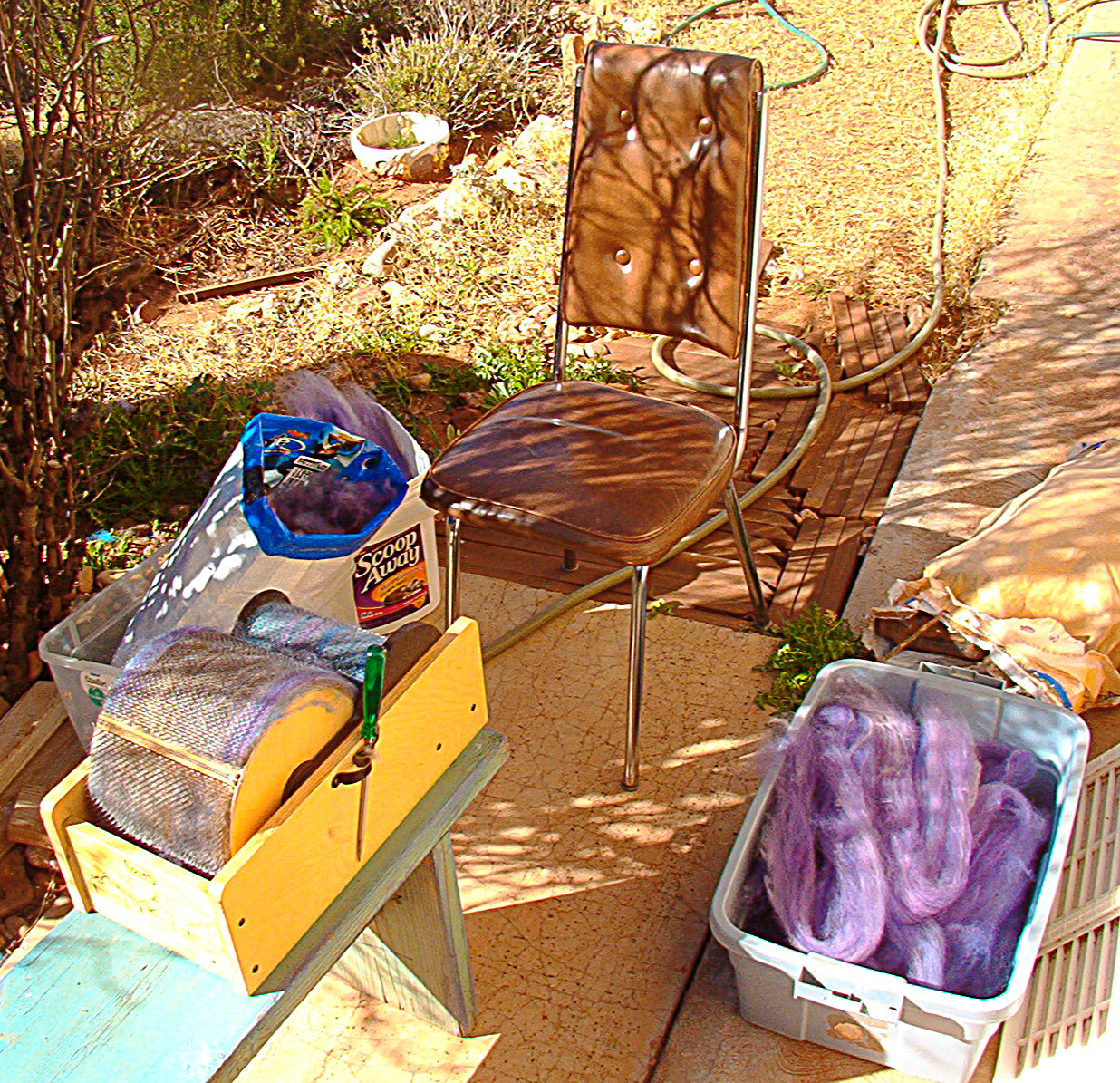
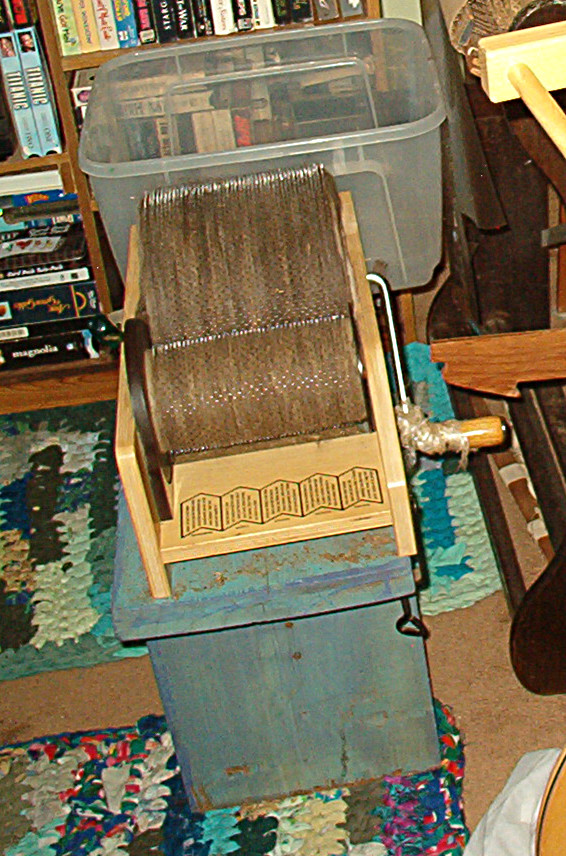
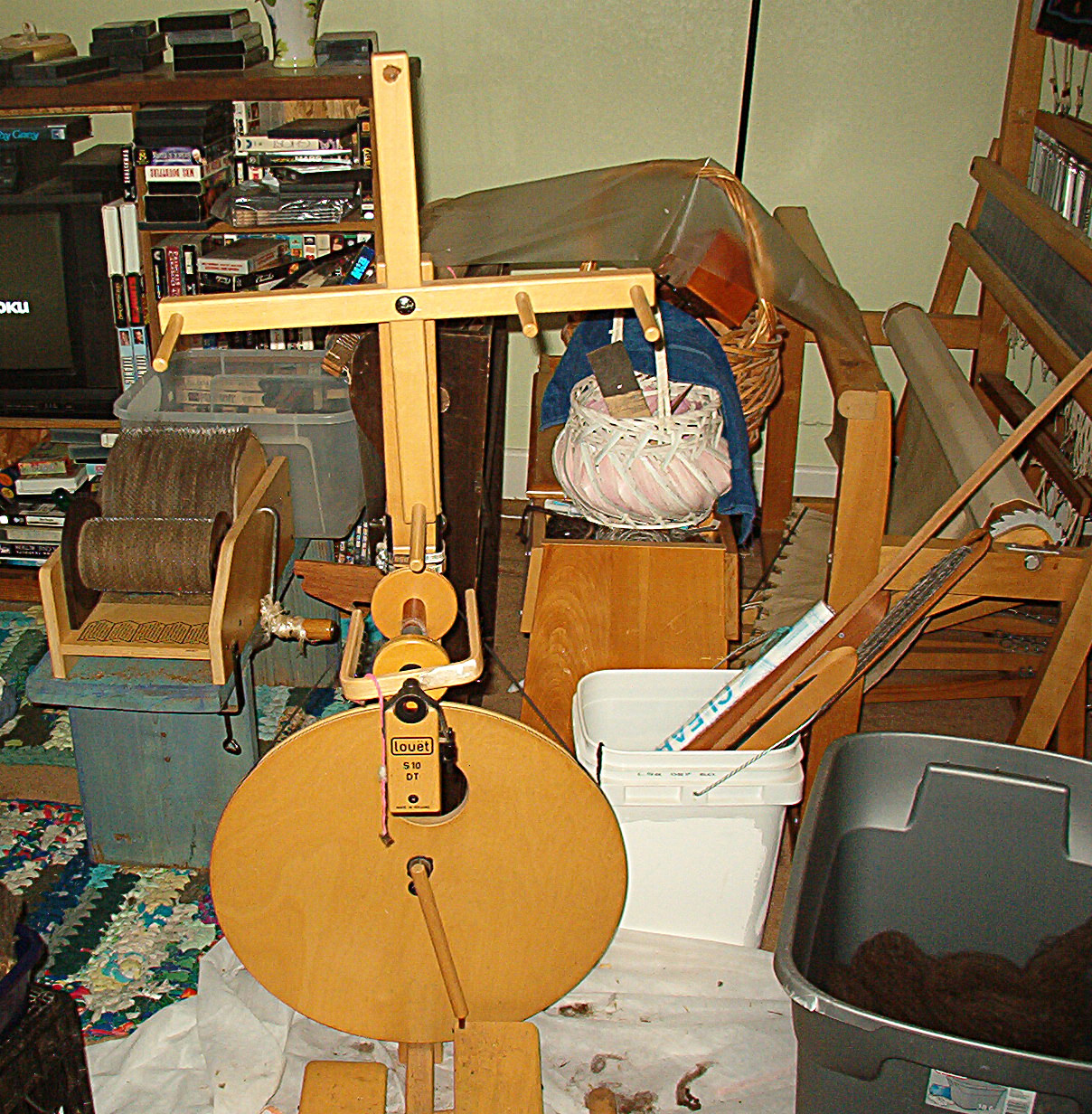
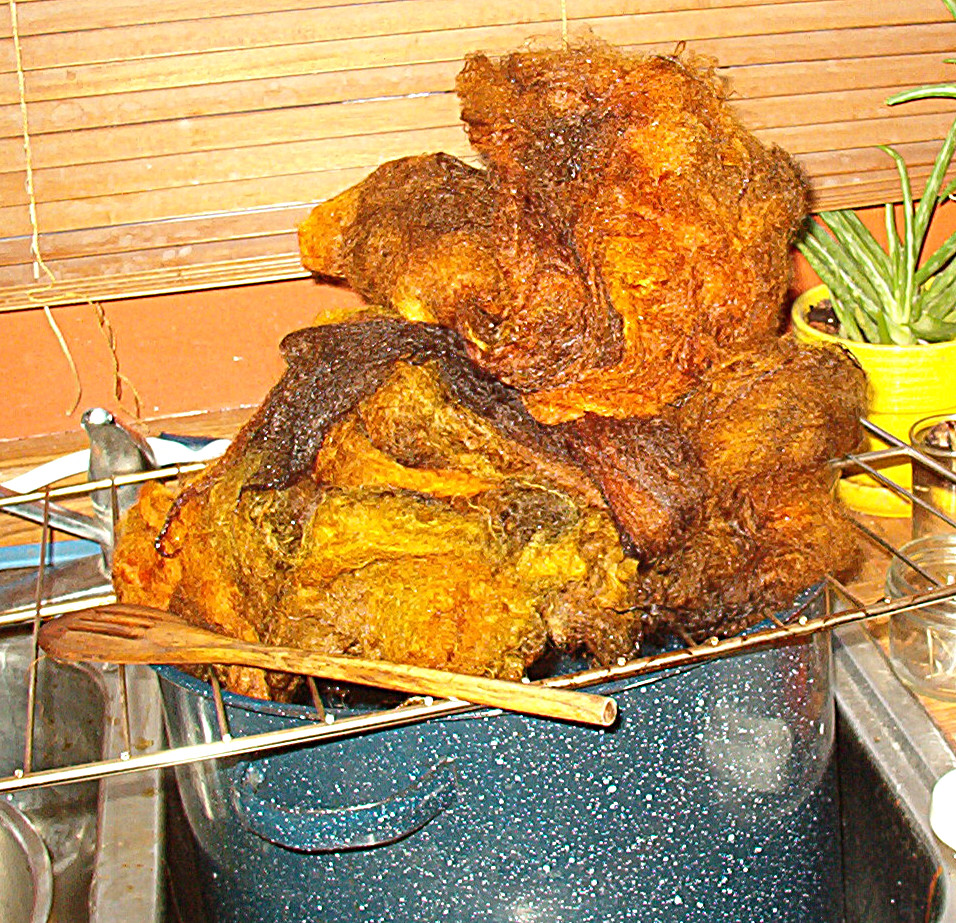
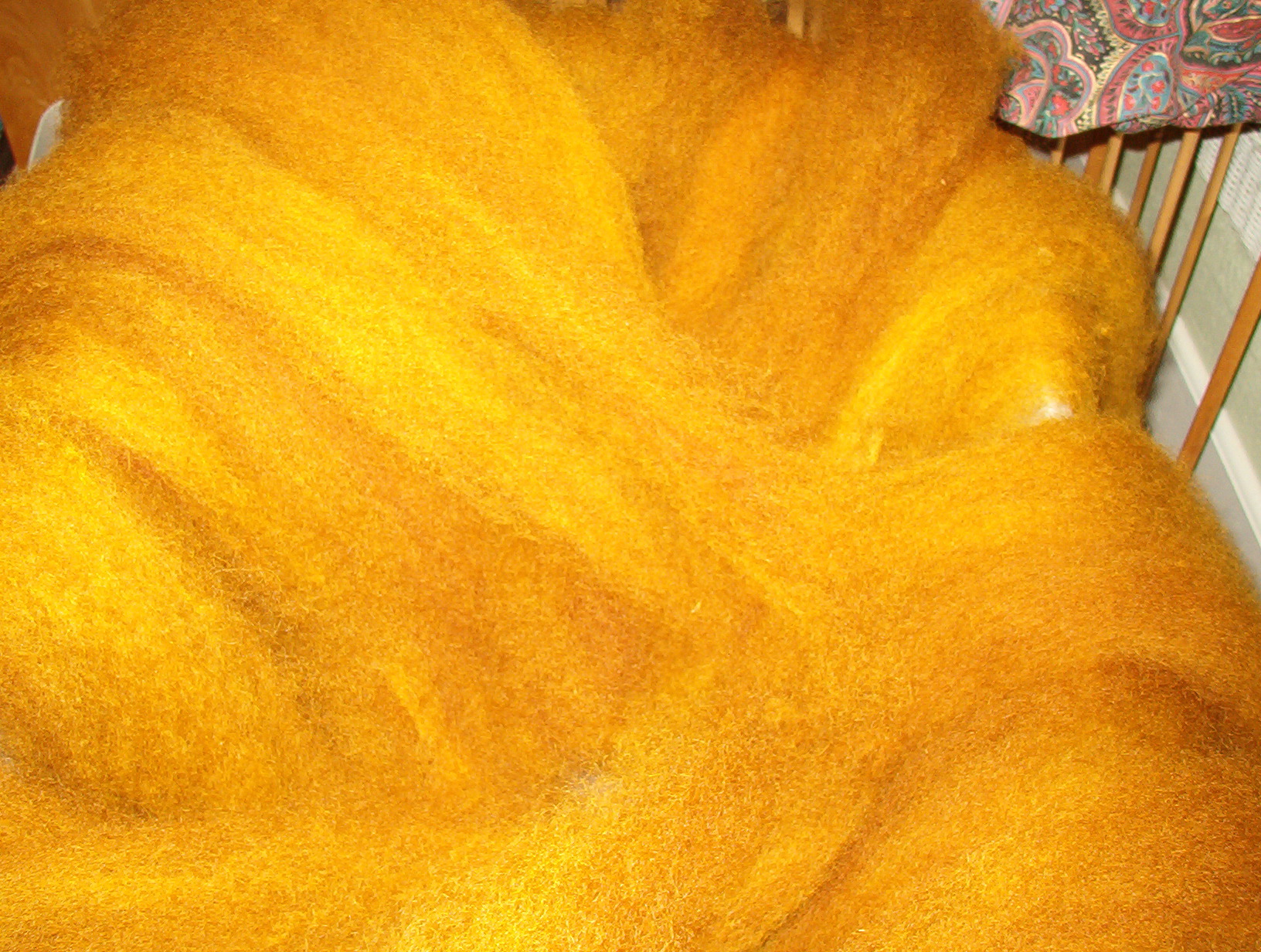
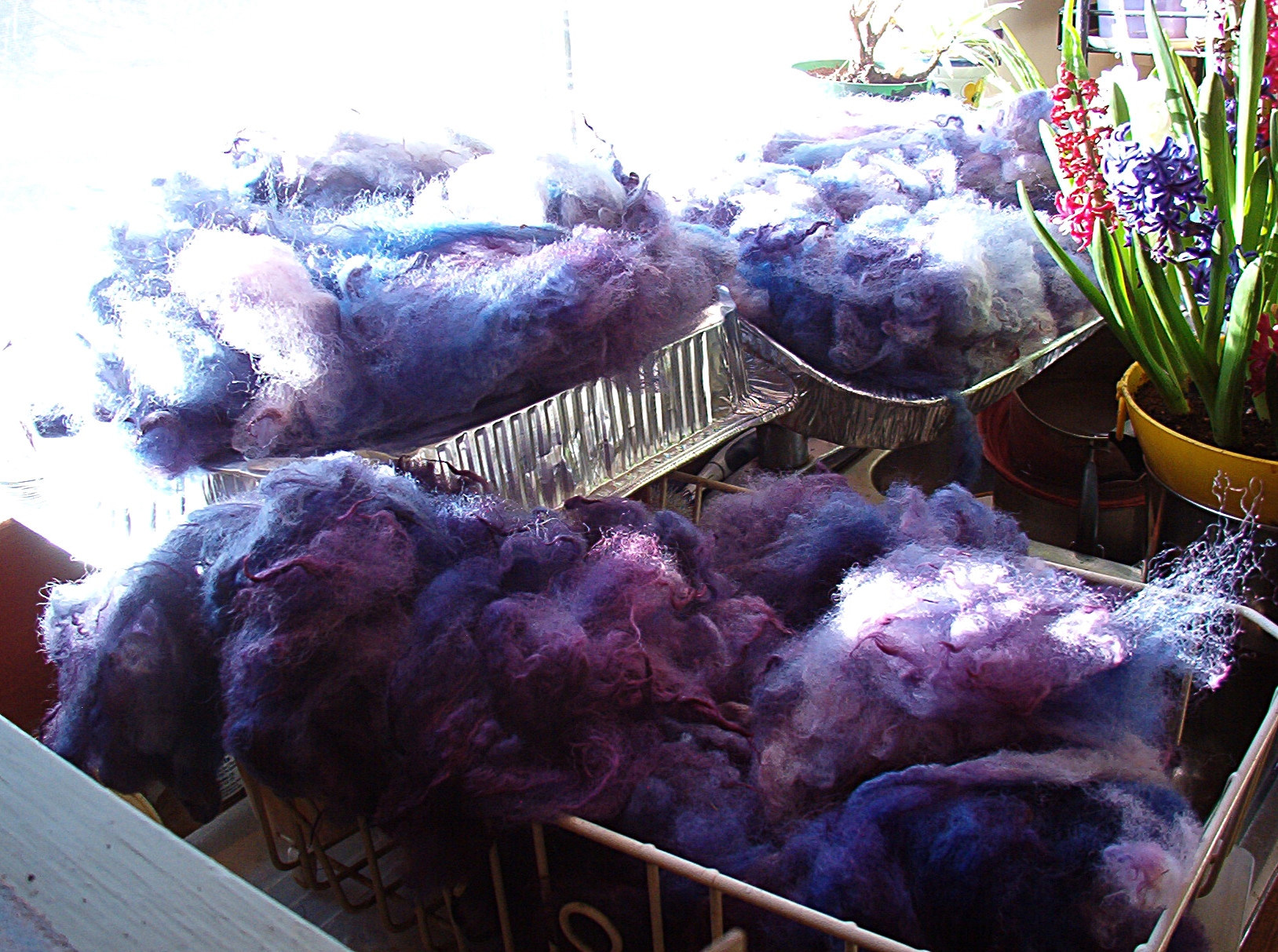
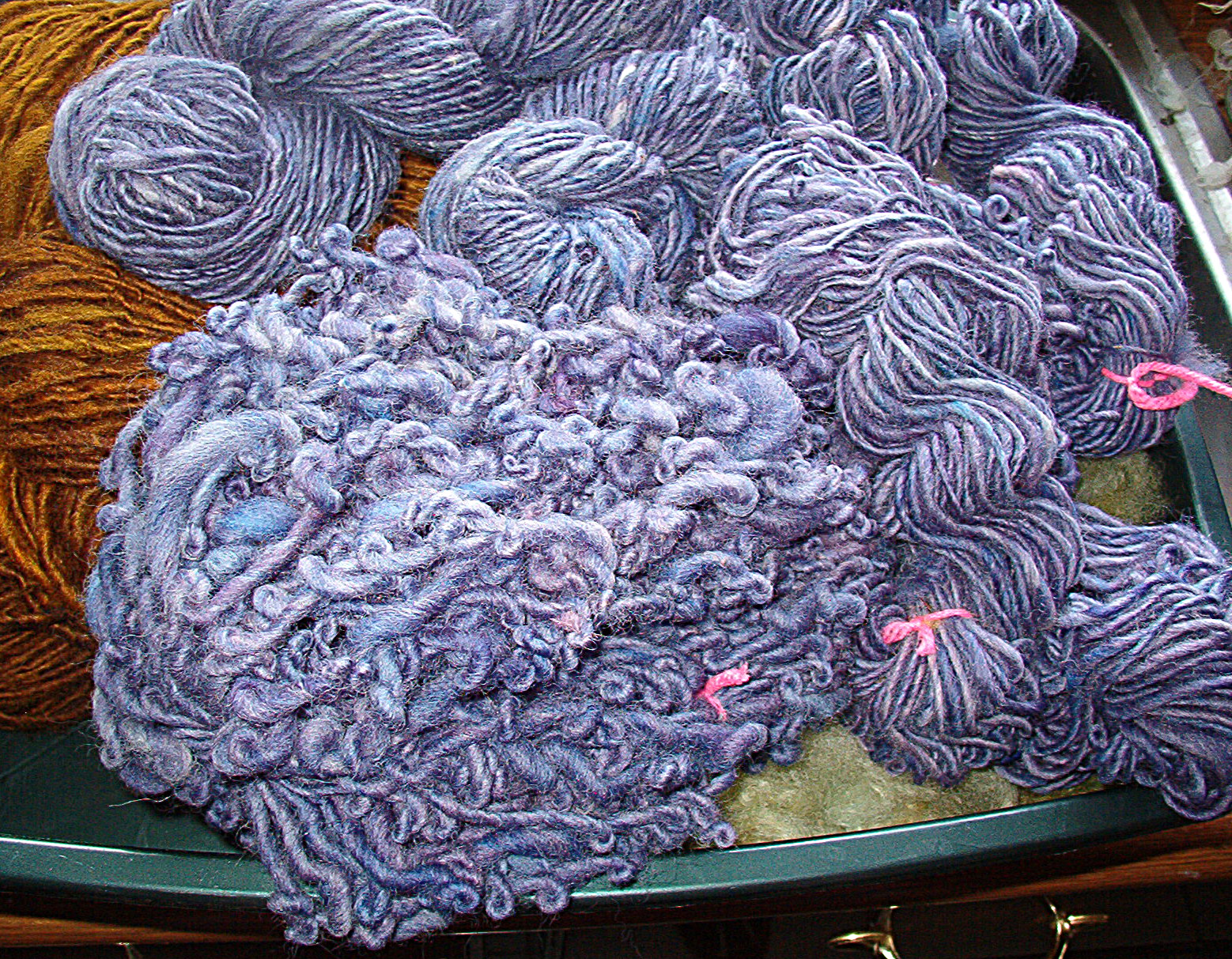
So, yes, the old man is correct. This is work, but work — for whatever reason, I love.
++++++++++++++++++++++++++++
 Stop the Storm
Your photos are incredible. My favorite is the first one, of the cactuses. (Cacti?)
I empathize with your story and wish you well.
Lindsey Petersen
http://5kidswdisabilities.wordpress.com
Thank you! We have had an incredible amount of rain this winter, everything is thriving! I love the shape and color of the — yup — cacti! Thanks for stopping by! Linda – alchemynow
Your stories are always great because you have such insight into people. Love reading them.
I did want to mention something to you about wool. I learned recently that the process of shaving wool off sheep is anything but kind and I just hope you check where your wool comes from so you are not contributing inadvertently to the suffering of any animals.
Thanks again for your stories and thoughts on all things. Reading you is almost like reading Marcel Proust.
All I know is that this fleece comes from a family farm in Washington, not a big commercial one. If you find any links about what you mention please send along!
Soon I will write about a side venture I am involved in regarding writing, and a side side venture related to that!! Part of this involves a woman who used to write a small history article (she would have had a great blog!) — and I finally realized what I respond to most in her writing is that she writes true stories, like from the storyteller oral tradition — I WISH I could do that. There’s a difference, to me, with her kind of writing. I will post soon about one of her stories about “The Nun Dressed in Blue.” It’s one of the sweetest stories, to me, that I’ve ever encountered!